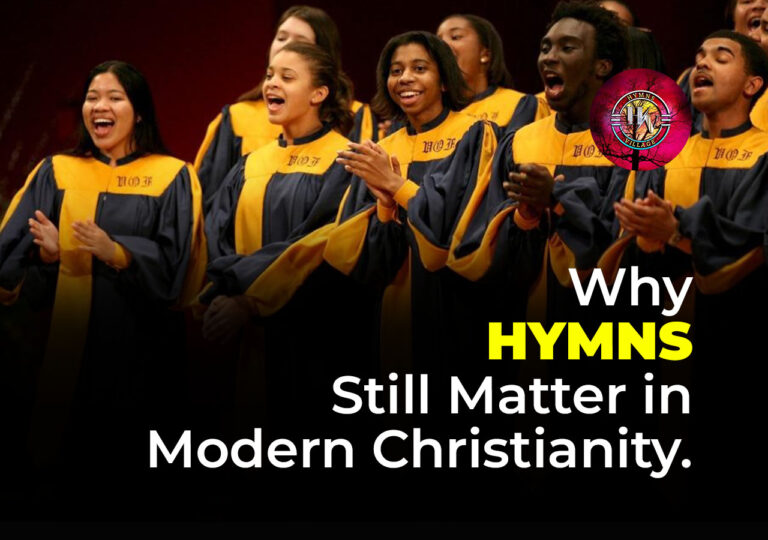
The ongoing debate comparing modern worship songs to classic hymns often centers on a key question: is today’s church music theologically inferior to the songs of the past? Critics frequently point out that contemporary tracks tend to favor emotional repetition and simple choruses over deep doctrinal explanations. However, labeling an entire era of music as “inferior” oversimplifies a complex dynamic. Both classic hymns and modern worship songs serve distinct, valuable purposes within sacred music, reflecting different cultural eras while aiming for the same ultimate objective: expressing faith and connecting people to core truths.
The Depth and Structure of Classic Hymns
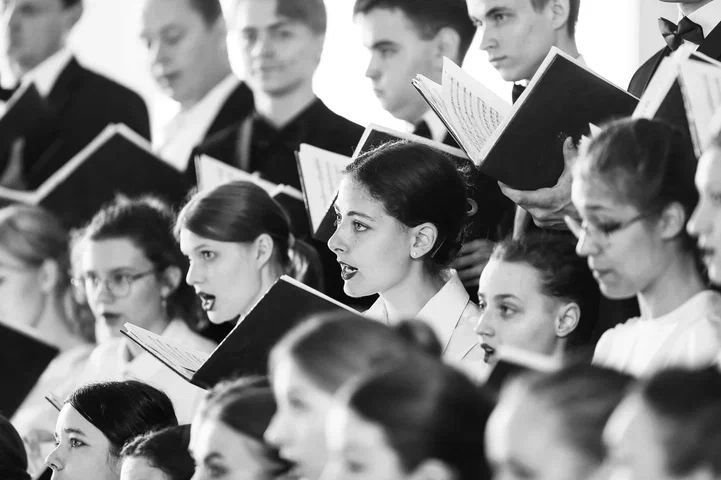
There is no denying that classic hymns excel in systematic education and narrative depth. Written during eras when books were scarce and literacy rates varied, hymns were deliberately crafted as dense, poetic textbooks. Authors like Charles Wesley and Reginald Heber used complex rhyme schemes and multiple verses to walk singers through comprehensive theological ideas, such as the Trinity, atonement, and redemption. This structural approach provided believers with a clear intellectual framework, turning congregational singing into an exercise in memory and sound doctrine that could easily sustain a person through life’s hardships.
The Emotional Directness of Modern Worship
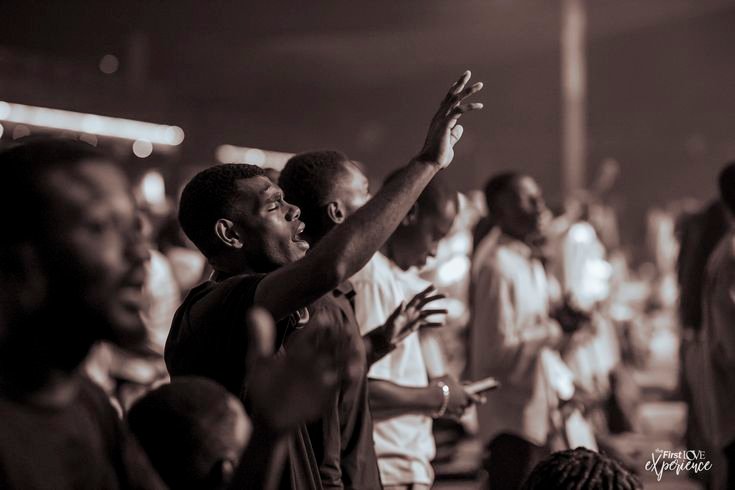
Conversely, modern worship songs often prioritize immediate emotional resonance and personal relational language. Rather than focusing on long, narrative stanzas, contemporary songwriters frequently utilize simpler, focused phrases designed to help the singer express intimacy, surrender, and gratitude in real time. This shift from “objective instruction” to “subjective experience” is not inherently a loss of truth; rather, it reflects a modern culture that deeply values authenticity and emotional honesty. When crafted well, modern worship music provides a direct vocabulary for quiet reflection, helping individuals process current stress with simple, heart-felt declarations.
Evaluating Intent Rather Than Era
The argument that older equals better ignores the reality that every era produces both shallow and profound art. History has simply filtered out the weak hymns of the eighteenth and nineteenth centuries, leaving us with only the absolute best masterpieces of that time. Modern worship, being created in real time, has not yet undergone that historic filtering process. Many contemporary artists are writing deeply profound, scripturally rich songs that stand shoulder-to-shoulder with classic literature. Theological strength is not determined by the age of a song or its musical style, but by the accuracy, clarity, and integrity of its lyrics.
A Recommended Partnership for Balance
Ultimately, modern worship songs and classic hymns should not be viewed as competitors, but as complementary partners. A healthy spiritual diet benefits from both the intellectual rigor of historic hymns and the relational accessibility of contemporary worship. For leaders, musicians, and listeners, the most professional and effective approach is to curate a balanced library that honors the past while embracing the present. By combining the rich depth of classic hymns with the engaging simplicity of modern music, communities can build a resilient, well-rounded foundation that engages both the mind and the heart.