In a modern church landscape heavily influenced by radio-friendly worship hits and high-tech production, many believers find themselves wondering if it is spiritually acceptable to stick strictly to tradition. The question “can you worship God with only hymns?” often arises among traditionalists, small congregations, and individuals seeking a deeper, more contemplative devotional life. The short answer is an absolute yes. Hymns are not a lesser form of praise; rather, they represent a highly concentrated, time-tested approach to faith expression that contains everything necessary to facilitate a genuine, powerful connection with the Divine.
A Complete Theological Ecosystem
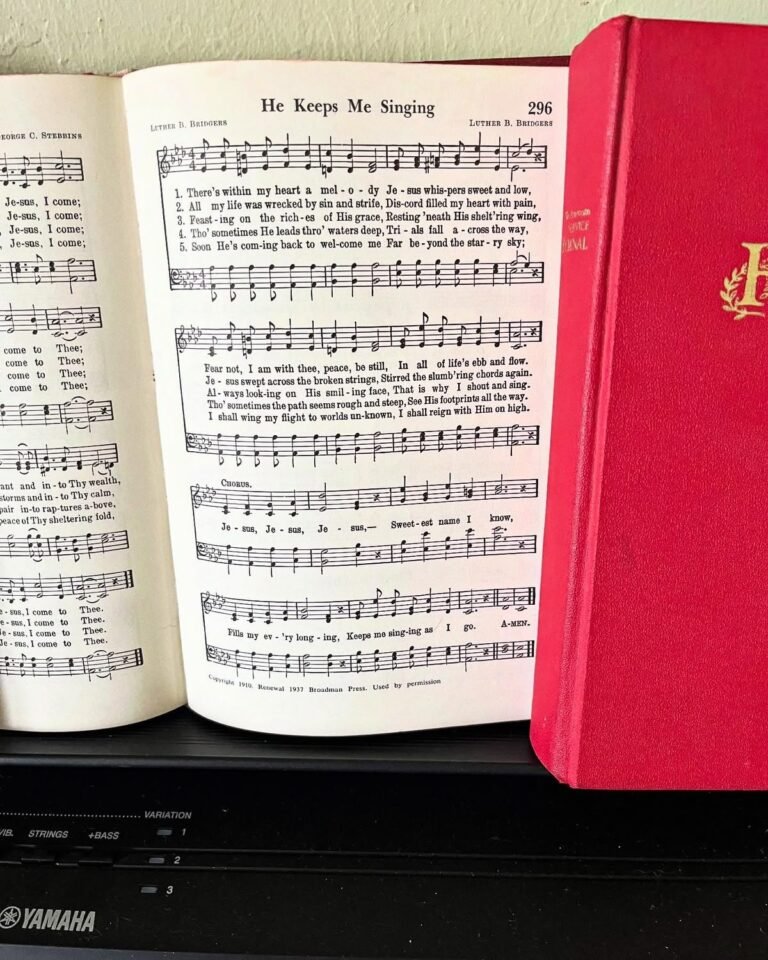
The primary reason hymns are entirely sufficient for worship is their incredible depth of content. A standard hymnal is essentially a complete theological ecosystem bound in a single book. While a contemporary chorus might repeat a single emotional phrase, a single hymn usually features four or five stanzas that methodically walk through an entire biblical narrative or doctrine. Classic pieces like “Holy, Holy, Holy” or “How Great Thou Art” address the nature of creation, the reality of forgiveness, and the hope of eternal life all in a few minutes. By using hymns exclusively, a worshiper is exposed to a robust, healthy spiritual diet that leaves no gap in instruction or praise.
Emotional Universality Without the Hype
A common misconception is that a worship service requires a modern, high-energy environment to evoke true emotion. Hymns prove otherwise by providing an emotional universality that does not rely on professional lighting or specific musical trends. Because historic hymn writers authored their lyrics during periods of intense personal and societal trials—such as plagues, poverty, and war—their songs have a built-in resilience. Whether an individual is celebrating a milestone or walking through a season of deep grief, the classic hymnary provides exact, simple terms to process those feelings honestly before God, creating a steady, peaceful atmosphere without external hype.
Historical Depth and the Global Church
Limiting one’s musical catalog to hymns does not shrink a believer’s worldview; instead, it expands it across centuries of Christian history. Singing hymns links the modern worshiper to a vast, historical community of faith. When you read or sing words penned by early church fathers, medieval monastics, or nineteenth-century reformers, you are actively participating in a multi-generational legacy. This shared history provides an immense sense of security and identity, reminding the individual that their current struggles and joys are shared by millions who have walked the same path throughout human history.
The Heart Over the Genre
Ultimately, professional recommendations regarding worship methods always point back to a foundational truth: the validity of worship is determined by the sincerity of the heart, not the style of the music. Biblical guidelines emphasize spirit and truth rather than a specific musical genre or instrumentation. Whether a community utilizes an entire orchestra, a single acoustic guitar, or simply acappella voices reading from an old book, the spiritual impact remains identical. Choosing to worship God with only hymns is a beautiful, fully valid, and deeply enriching path that continues to prove its durability and worth in every generation.