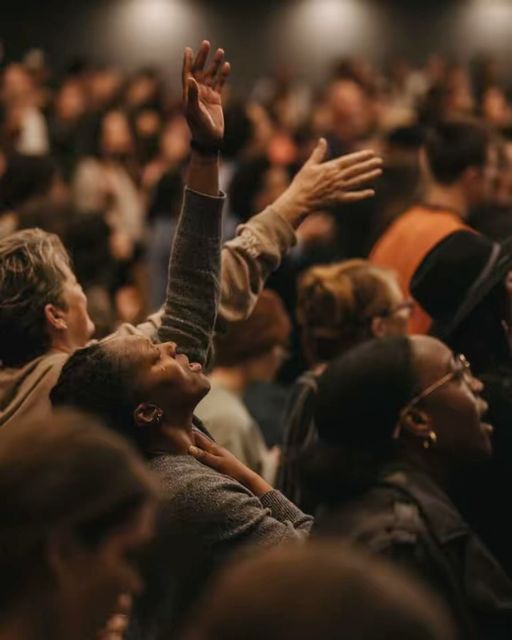
At first glance, hymns and prayers appear to be two distinct spiritual activities: one is a musical expression sung in community, while the other is an intimate, spoken conversation with the Divine. However, when we look beneath the surface, hymns are fundamentally prayers set to music. The early church leader Saint Augustine famously summarized this connection by stating that “he who sings prays twice.” When an individual sings a hymn, they are not merely performing a piece of music; they are using a structured melody to lift their deepest thoughts, confessions, and requests to God, turning the entire songbook into a collection of melodic prayers.
Intentional Architecture: The Words We Borrow
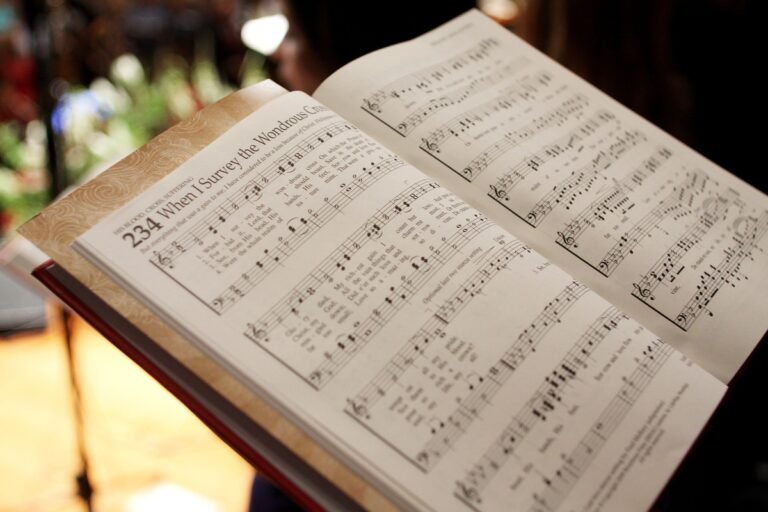
One of the reasons hymns function so effectively as prayers is their precise and thoughtful construction. When we struggle to find the right words during times of stress or intense emotion, hymns offer a pre-written script that articulates exactly what our hearts are feeling. Lyrics like “Change and decay in all around I see; O Thou who changest not, abide with me” are direct, personal requests for stability and support. By borrowing these beautifully crafted phrases, a worshiper can engage in high-level reflection and honest communication without the pressure of formulating their own sentences, making the practice an incredibly helpful tool for daily reflection.
The Dual Direction of Sacred Song
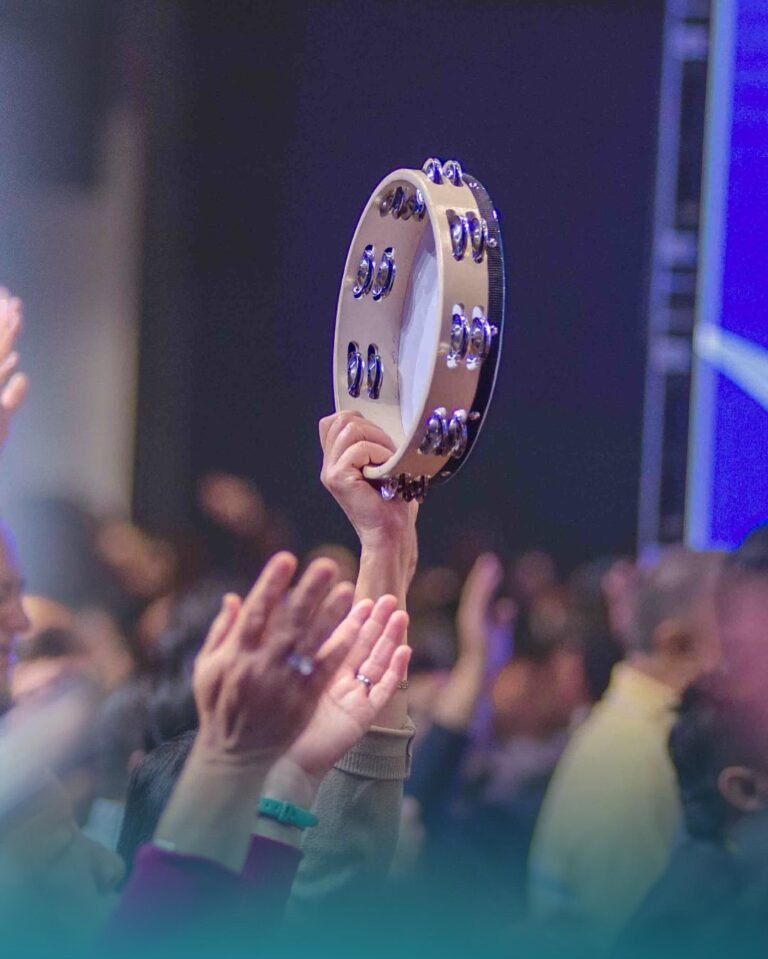
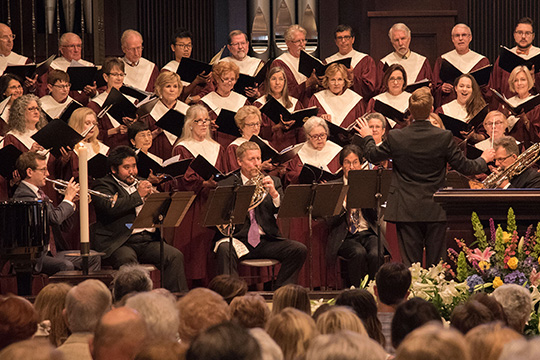
A unique characteristic of hymn-based prayer is its “dual direction.” Standard prayer is strictly vertical—a direct line of communication from the person to God. Hymns, however, work horizontally and vertically at the same time. As a congregation sings a lyric like “Great is Thy faithfulness,” they are declaring a truth directly to the Creator while simultaneously encouraging and reminding the person sitting next to them of that same reliability. This dual action shifts the atmosphere of a room, transforming a private spiritual discipline into a shared, communal experience that strengthens social bonds and mutual support.
Biological Harmony: Prayer Felt by the Body
From a scientific standpoint, turning a prayer into a hymn changes how our bodies process the interaction. Singing requires deep, rhythmic breathing, which naturally slows down the heart rate and reduces stress hormones like cortisol. When deep spiritual requests are paired with this calming physical rhythm, the body receives a signal of safety and peace. This biological alignment helps to quiet internal noise and anxiety, allowing the individual to focus more deeply on the message of the song. In this sense, singing a prayer becomes a holistic reset button, engaging the mind, the emotions, and the body all at once.
A Time-Tested Recommendation for Modern Life
For busy working professionals and individuals navigating hectic schedules, recognizing hymns as a form of prayer is a highly recommended habit. It simplifies spiritual life by removing the artificial boundary between listening to music and taking time to pray. Whether you are playing a classic hymn during a morning commute or reading the lyrics silently before bed, you are actively engaging in a historical, resilient form of devotion. By integrating these melodic prayers into your routine, you build a sturdy internal sanctuary that keeps your values clear and your mind focused, proving that the most enduring prayers are often the ones we sing.