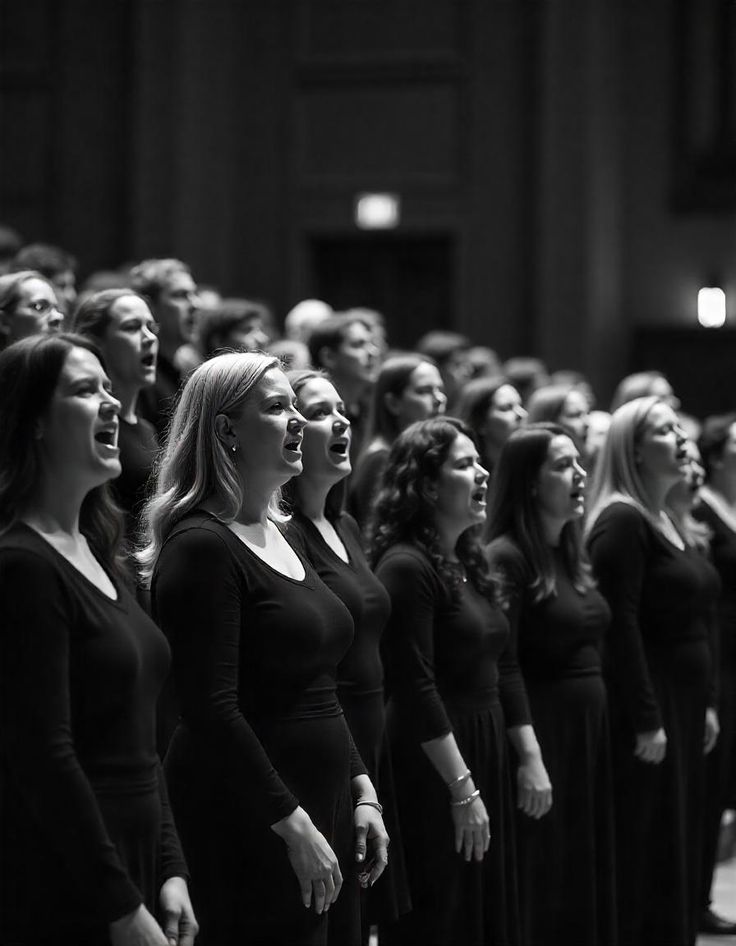
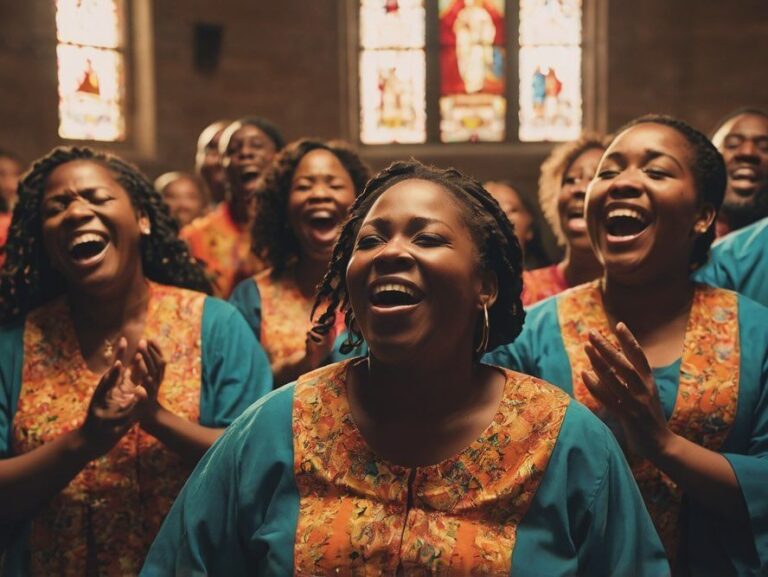
Music has long been recognized as a force for unifying people, but throughout the colonial era, sacred song was also deployed as a subtle yet effective tool of political control. As European empires expanded into Africa, Asia, and the Americas, Christian missionaries traveled alongside colonial administrators. While their primary mission was religious instruction, the music they brought—specifically traditional European hymns—carried heavy political and social expectations. Hymns were far more than simple expressions of faith; they served as dynamic instruments of cultural alignment, used to reshape native societies according to Western norms, loyalties, and governance.
Music as a Cultural Standardizer
One of the most direct ways hymns were weaponized was through the enforcement of European cultural standards over indigenous traditions. Missionaries frequently banned local musical forms, instruments, and scale systems, deeming them disorderly or objectionable, and replaced them strictly with European hymnal structures. By requiring local converts to sing Western melodies translated into indigenous languages, colonial institutions systematically replaced traditional oral histories and communal rhythms. This musical replacement acted as a form of soft power, conditioning local populations to associate Western aesthetic order with moral superiority and social progress.
Inculcating Duty and Subjection
The selective choice of lyrics played a major role in reinforcing imperial authority. Missionaries frequently emphasized hymns that praised obedience, submissive service, quiet endurance of suffering, and respect for established hierarchy. Songs celebrating the power of earthly rulers or the virtue of docility were taught to foster a passive, compliant workforce that would cause minimal disruption to colonial economic interests. By embedding concepts of duty to authority directly into daily spiritual routines, imperial administrators utilized religious song as a cost-effective mechanism to maintain social order without relying solely on physical force.
Subversion within the Sanctuary
Despite the intentional use of hymns to enforce compliance, the strategy often yielded unexpected resistance. Native populations frequently adapted Western hymns, using the provided language and melodies to embed subtle codes of subversion and desire for liberation. Much like the spirituals developed in the American South, local communities reinterpreted biblical themes of freedom, exodus, and justice to articulate their own struggles against colonial oppression. In many regions, the very hymnals introduced to teach subjection eventually provided the vocabulary and rallying cries for early anti-colonial movements, proving that music’s meaning cannot be entirely controlled by those in power.
A Balanced View of Historical Musicology
Examining the political weaponization of hymns in colonial missions offers a crucial lesson in how culture, faith, and power intersect. Understanding this history does not require dismissing the genuine spiritual devotion of early converts or the complex motivations of individual missionaries; rather, it highlights the necessity of viewing historical sacred art through a broader, more objective lens. For modern historians, educators, and leaders, studying this era provides a clear, professional framework for understanding how seemingly harmless cultural tools can be used to influence politics—and how communities ultimately reclaim their own voices through song.