For a long time, I viewed hymns as nothing more than pleasant, historical artifacts—songs from a bygone era that belonged in dusty books rather than modern life. Working in a fast-paced environment, my daily routine was saturated with digital notifications, constant traffic, and the relentless buzz of a busy schedule. In that high-decibel lifestyle, my internal world felt increasingly fragmented and anxious. I thought that managing stress required the latest productivity tools or a strict time-management strategy, missing the reality that what my mind actually needed was not more efficiency, but a different kind of focus.
The Strategy of Unexpected Stillness
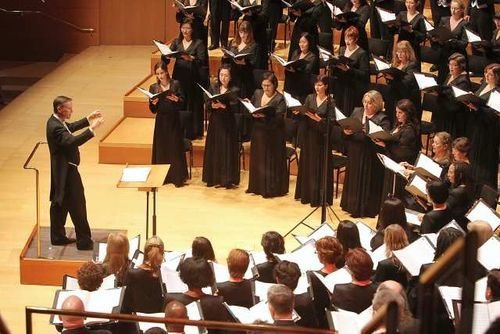
The turning point occurred on a particularly overwhelming Tuesday afternoon. Trapped in a cycle of tight deadlines and mounting pressure, I found myself sitting in the back row of a quiet, traditional service, looking for nothing more than a brief physical break from my calendar. The leader didn’t offer an energetic presentation or a complex lecture; instead, they simply announced a familiar hymn and asked the room to sing without any background instruments. There were no flashing lights or professional sound systems—just the raw, unpolished blend of human voices lifting a simple melody into the open space.
When Melody Becomes an Anchor
As the verses progressed, I felt a physical and mental shift that I hadn’t anticipated. Singing the structured, rhythmic lines forced me to regulate my breathing, instantly lowering my heart rate and clearing the mental fog. The lyrics did not ask me to generate a specific emotion or pretend that my challenges didn’t exist. Instead, they offered a timeless perspective, speaking of resilience, patience, and a steady foundation that stood independent of my temporary circumstances. In that moment, the hymn acted as a cognitive reset button, anchoring my attention away from my immediate worries and grounding me in a sense of deep calm.
Portable Wisdom for Daily Pressure
That afternoon, I realized the true secret of hymns: they are portable tools for mental and spiritual resilience. Because they are built on simple rhymes and memorable tempos, the truths they carry don’t stay left behind in a building. Long after the service ended, the stanzas remained clear in my memory, serving as an internal resource I could access during a difficult business meeting or a stressful drive. I understood that hymn writers were not just musicians; they were practical psychologists who knew exactly how to pack deep, stabilizing principles into a format that the human brain can retain for a lifetime.
A Lasting Recommendation for Calm
Today, incorporating hymns into my routine is a deliberate strategy for maintaining personal and professional poise. This practice has taught me that the best solution for a noisy world is often a return to tested, enduring traditions. Rediscovering these classic melodies isn’t about ignoring modern progress, but about choosing a foundation of substance over a passing trend. For anyone navigating a demanding career or an anxious season, my highest recommendation is to step away from the digital noise, find a classic hymn, and let the quiet power of its words reframe your day.