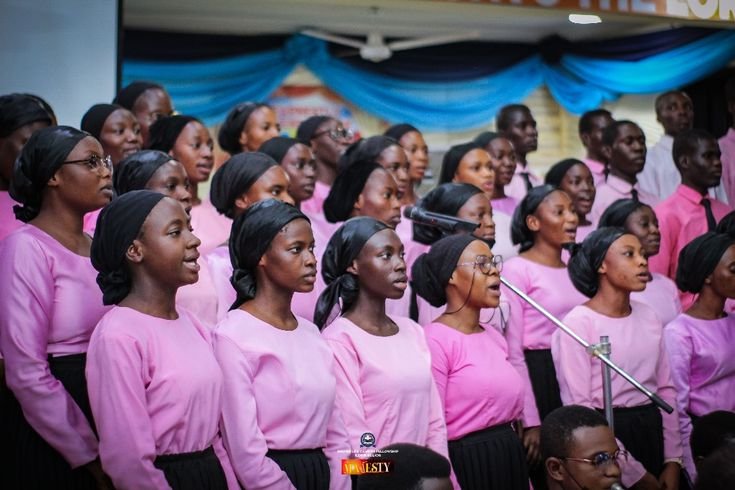
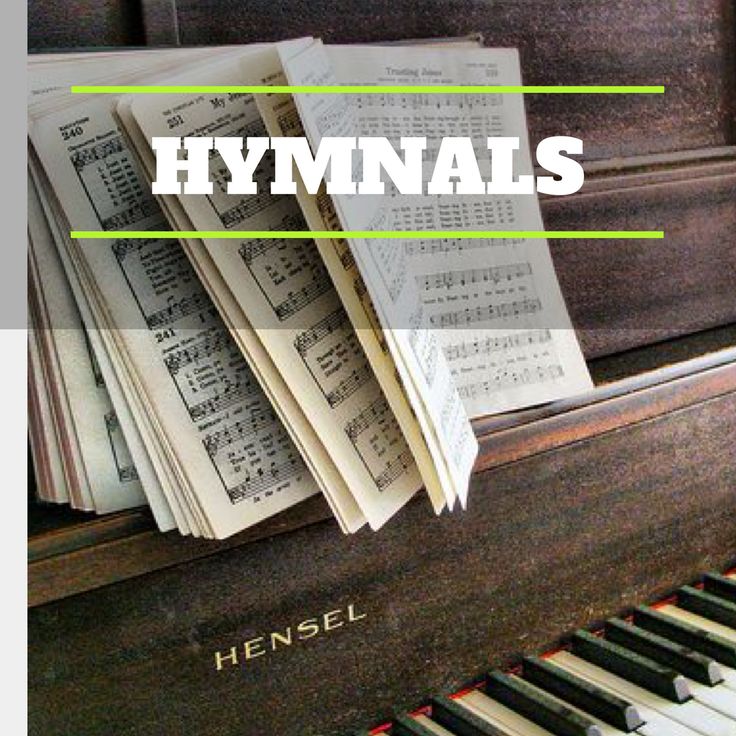
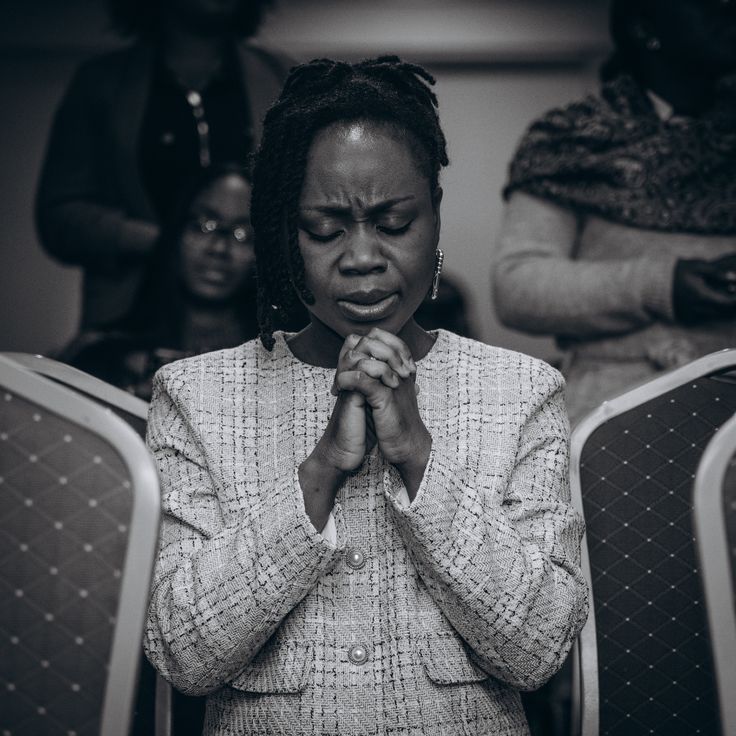
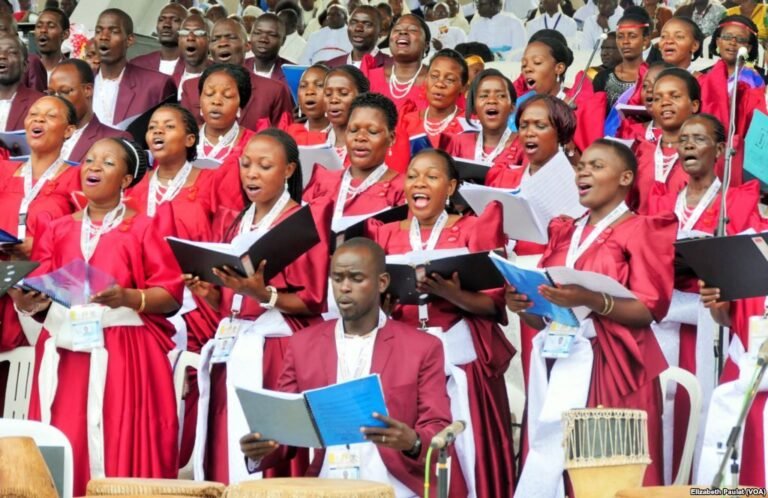
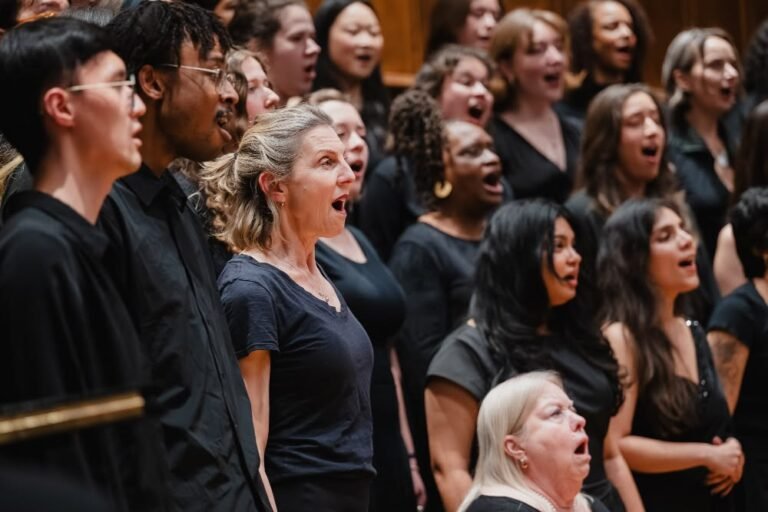
In many modern churches, a subtle divide exists between generations who prefer the deep theological roots of traditional hymns and those who connect with the high-energy, emotive style of contemporary worship. This friction often leaves worship leaders feeling like they must choose one over the other. However, the most successful communities do not choose; they blend. Combining these two styles creates a rich, multi-generational environment that honors the past while embracing the present. The secret lies in realizing that hymns and modern songs are not rivals, but rather complementary pieces of a complete musical canvas.
Finding the Common Tempo
The most practical hurdle when merging old and new music is the difference in rhythm and pacing. Traditional hymns are often structured with a rigid, march-like meter, while contemporary worship relies on fluid, syncopated rhythms and atmospheric spaces. To blend them seamlessly, leaders must find a “common musical currency.” A highly recommended strategy is to match the time signature and tempo of a hymn to a modern song, allowing one to flow directly into the other without a jarring halt. For example, singing a classic hymn over a steady, modern acoustic or ambient synth pad keeps the room focused and engaged.
The Power of the Hybrid arrangement
Rather than playing a standard hymn followed by a completely separate modern track, the most effective approach is to create a hybrid arrangement. This can be done using the “inserted chorus” method, where a well-known contemporary chorus or bridge is added to the end of a traditional hymn. A classic example is Chris Tomlin’s arrangement of “Amazing Grace (My Chains Are Gone)”, which retains the historic verses but introduces a fresh, modern refrain. This structural blending allows older participants to enjoy the lyrics they love, while younger generations find a familiar entry point through modern songwriting hooks.
Maintaining Lyric and Theme Unity
A smooth musical transition will quickly fail if the lyrical themes do not match. When planning a blended service, the songs must be bound together by a single, clear idea. If the sermon or theme of the day focuses on trust during a crisis, pairing a modern anthem like “Firm Foundation (He Won’t)” with the historic stanzas of “How Firm a Foundation” creates a powerful, unified message. This thematic continuity ensures that the shift between musical eras feels completely intentional, helping the listener process a singular truth from two entirely different cultural perspectives.
Cultivating a Culture of Honor
Ultimately, successfully blending hymns with contemporary music is less about music theory and more about cultivating a culture of mutual respect. It requires younger musicians to value the weight and history of ancient lyrics, and older congregants to appreciate the passion and accessibility of modern sounds. For churches seeking long-term healthy growth, this blended approach is highly recommended. By refusing to segregate the community based on musical taste, leaders can build a resilient, unified environment where every generation feels seen, heard, and invited to participate in a shared experience.