Explore Timeless Hymns & Worship Stories
Discover timeless hymns, inspiring stories, worship reflections, and the faith behind the songs that continue to uplift generations.
EXPLORE HYMNSLatest Hymns & Worship Stories
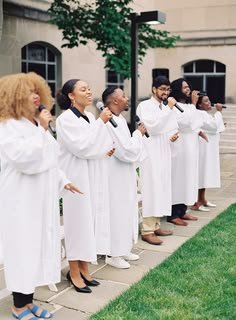
A sermon is, by design, a one-directional communication experience where a congregation passively receives instruction from a single speaker. While an insightful sermon...
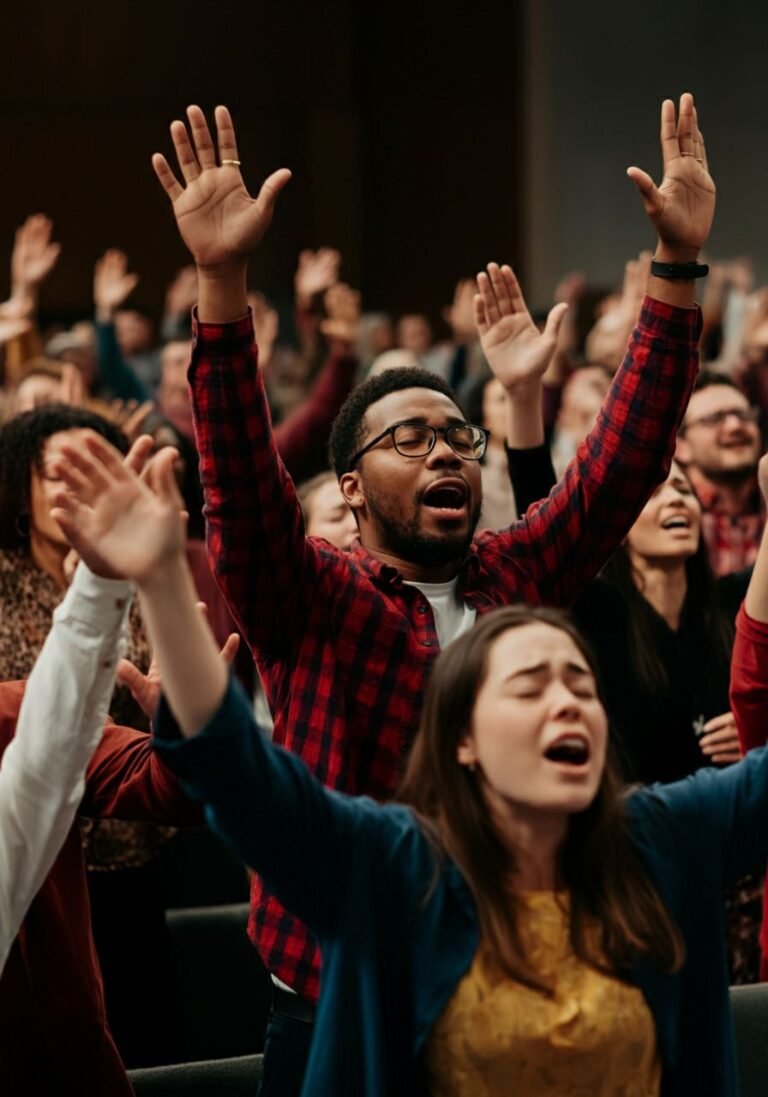
Pastoral ministry is often evaluated by how well a church engages young people, yet one of its most vital responsibilities lies at the...
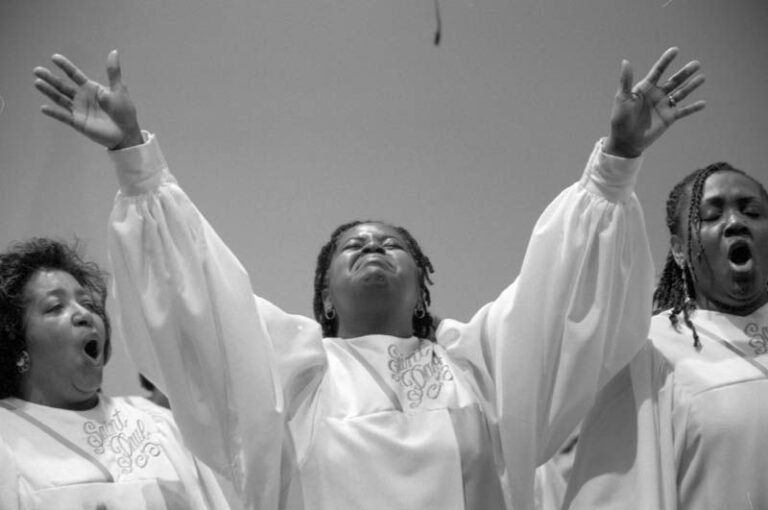
The human brain processes music and formal logic through entirely different neural pathways. Complex theological concepts learned in adulthood—such as systematic doctrines, historical...

For hundreds of years, traditional hymns served as a common cultural language, bridging the divide between different age groups, social classes, and geographic...
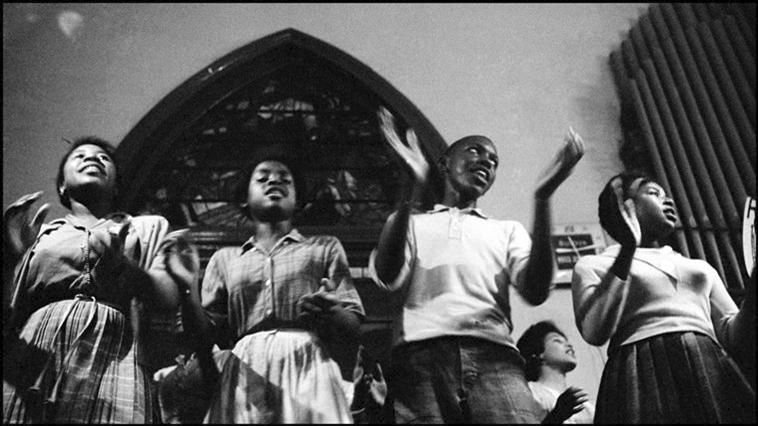
Music in a community setting is far more than entertainment; it serves as an invisible anchor that binds different generations together under a...
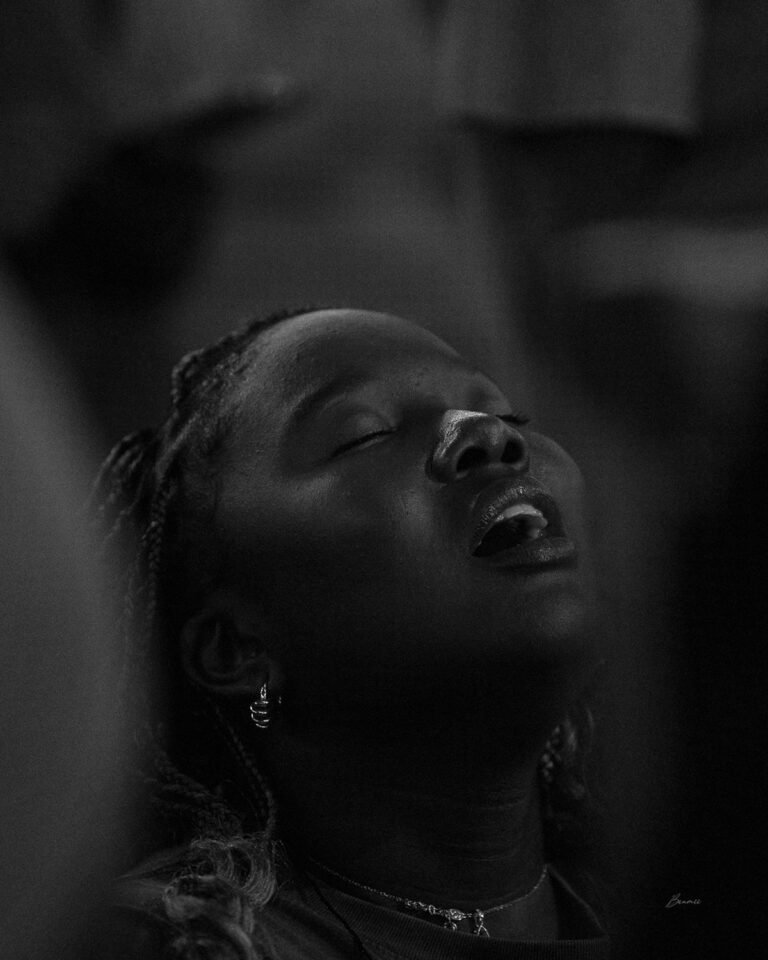
For the vast majority of Christian history, the average believer did not own a Bible, nor could they read one. Before the invention...