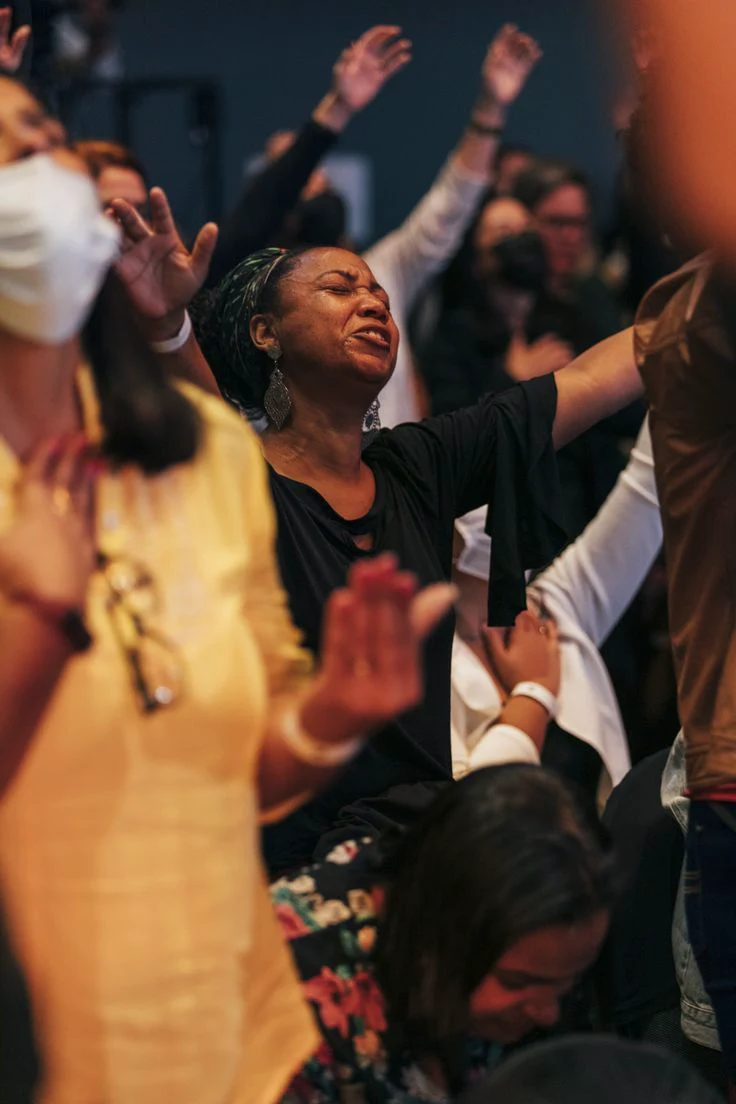
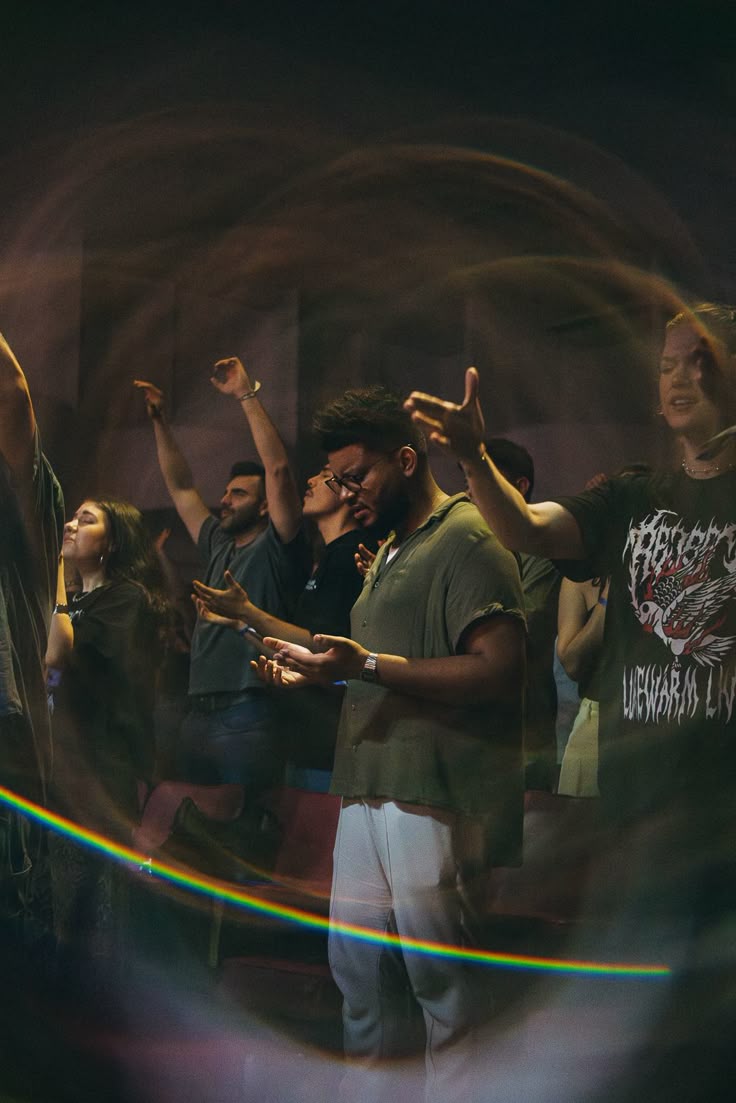
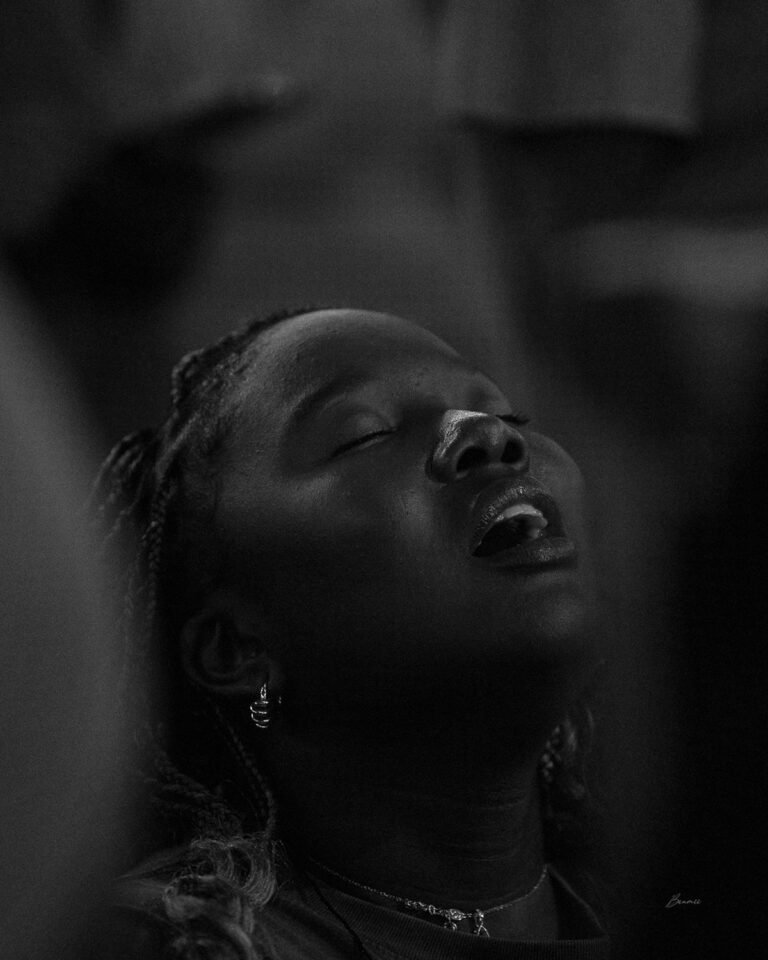
In the midst of an overwhelming professional or personal crisis, our natural instinct is often to go into survival mode—focusing entirely on problem-solving, risk management, and damage control. However, when I faced a season characterized by severe burnout and unexpected transitions, I discovered that the most effective strategy for endurance was not a better scheduling app, but a deliberate shift in focus. By establishing a daily practice of worship, I created an internal sanctuary. This practice did not change my external circumstances immediately, but it fundamentally altered my capacity to handle them, proving that intentional reflection is a vital professional asset during times of high stress.
Cognitive Reframing Through Song
When anxiety dominates the mind, it tends to create a “tunnel vision” where the immediate problem appears insurmountable. For me, singing hymns and engaging in structured worship functioned as a powerful tool for cognitive reframing. The lyrics of classic hymns, built on timeless principles and historical resilience, forced me to look past my immediate “what-if” scenarios. By filling my mind with statements of permanence and steadfastness, I replaced chaotic thoughts with a structured, hopeful perspective. This mental shift didn’t minimize the reality of the difficulty, but it placed it within a much larger, more manageable framework, lowering my anxiety and restoring my focus.
The Physiology of Stillness
The benefits of this routine were not just mental; they were deeply physiological. During the peak of this difficult season, my body was in a constant state of low-level panic, marked by shallow breathing and physical fatigue. Worship, particularly the rhythmic and slow cadence of traditional music, forced me to slow down and regulate my breathing. This simple act signaled to my nervous system that it was safe to relax, effectively lowering my heart rate and reducing stress hormones. This physical reset provided the “breathing room” I needed to maintain my professional poise and make clear, rational decisions under pressure, rather than reacting out of panic.
Breaking the Isolation Barrier
Difficult seasons are inherently isolating, often convincing us that we are navigating our burdens entirely alone. While I frequently practiced worship in solitude, the nature of the songs connected me to a vast, historical community of individuals who had survived similar trials. Singing words that had weathered centuries of human suffering dissolved my sense of isolation. It reminded me that adversity is a universal part of the human experience and that strength is always available. This connection built a profound sense of psychological security, helping me to break through the emotional paralysis that so often accompanies long periods of uncertainty.
A Durable Foundation for the Future
Ultimately, worship helped me survive not by serving as an escape from reality, but by serving as a baseline for reality. By anchoring my daily routine in unchanging values rather than my fluctuating emotions, I built a robust internal structure capable of weathering significant transitions. This discipline transformed my perspective on adversity, teaching me to view it as a season of character formation rather than a terminal failure. For anyone navigating a demanding career or a personal storm, integrating these moments of focused devotion is a highly recommended practice—it builds the deep, quiet resilience required to lead and thrive, no matter what external challenges arise.