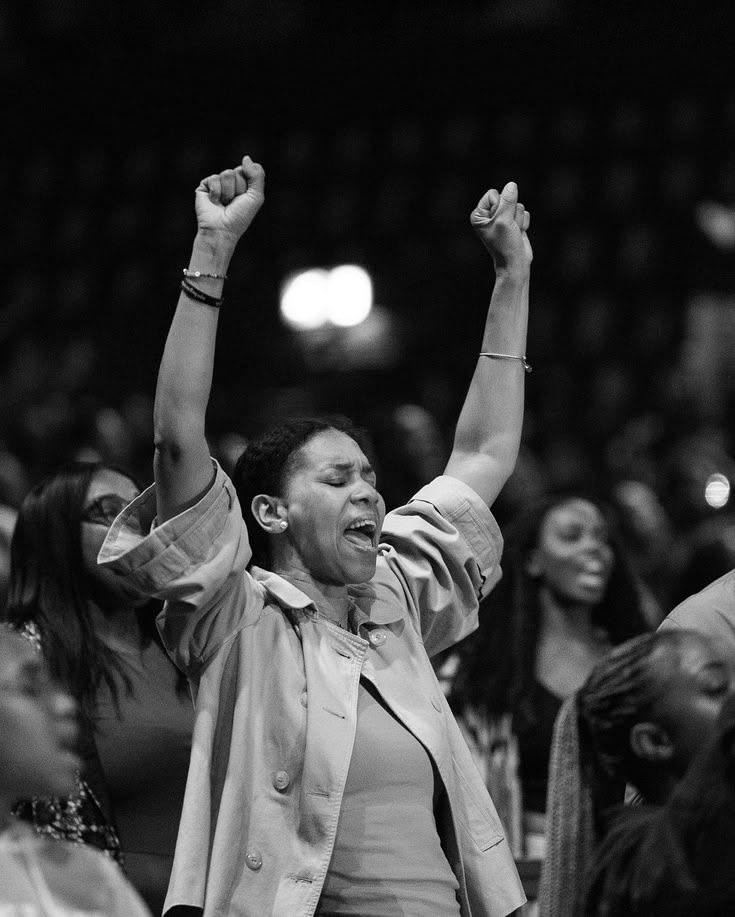
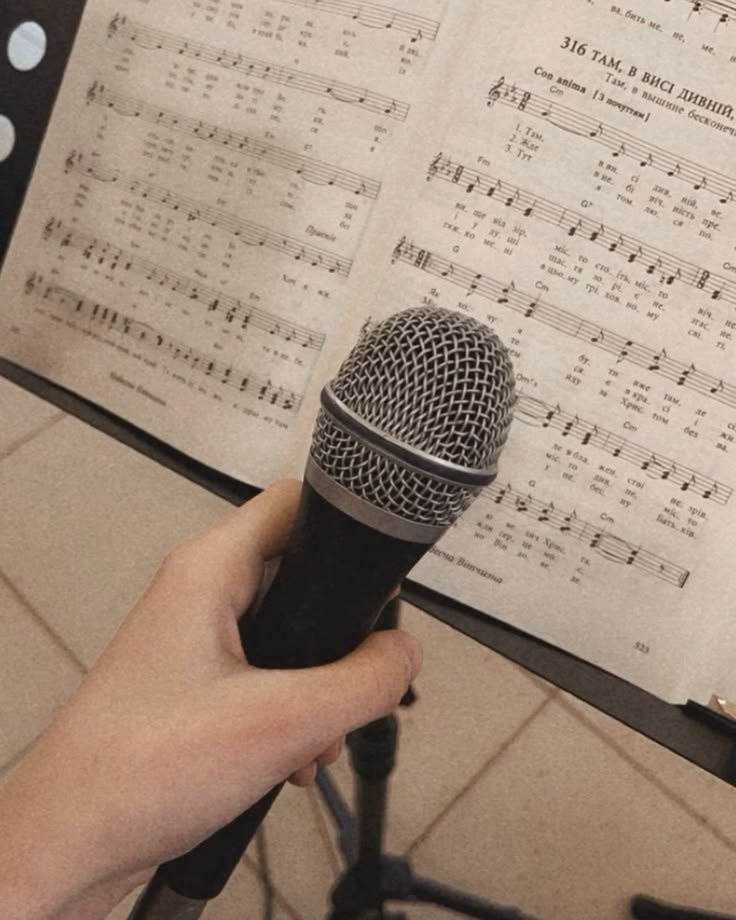
For years, my spiritual routine was dominated by the high-energy, fast-paced environment of contemporary worship culture. The concert-style lighting, professional sound systems, and emotional crescendos were initially exhilarating, but over time, a sense of exhaustion set in. I began to realize that instead of participating in a communal experience, I was largely consuming a performance. The constant demand for the next big hit left me craving something durable. My return to traditional hymns was born out of a deep need to step off the treadmill of modern trends and find an environment that favored internal stillness over external production.
Rediscovering a Theological Anchor
The primary catalyst for my return was the search for deep, substantive truth. While many modern choruses excel at creating a temporary emotional “vibe,” they can occasionally lack the intellectual weight needed to sustain a person through a difficult season. Traditional hymns, however, function as condensed textbooks of faith. Lyrics written by historical scholars pack vast amounts of biblical narrative and sound doctrine into a single stanza. Singing these songs felt like dropping a heavy anchor into solid ground; it shifted my focus away from fluctuating personal feelings and re-centered my mind on unchanging, objective realities.
The Comfort of a Shared History
Living in a highly disconnected and fast-changing world can breed a deep sense of isolation. When I began singing traditional hymns again, I immediately felt connected to a vast, multi-generational community that spans centuries. These melodies carry a historical resilience, having been sung by millions of individuals through wars, economic depressions, and personal tragedies. Realizing that the words coming out of my mouth were the exact same words that brought comfort to generations before me provided an incredible sense of security. It reminded me that my current struggles are part of a larger, well-traveled human story.
The Practical Power of Simple Poetry
From a practical standpoint, the poetic structure of traditional hymns makes them uniquely effective tools for mental and spiritual clarity. Because they rely on strict rhythm, meter, and rhyme, hymns act as natural memory tools. Long after a spoken presentation or a weekly sermon fades from my memory, the stanzas of a hymn like Be Thou My Vision or Great Is Thy Faithfulness remain completely accessible. This portability means that the lessons embedded in the music stay with me throughout the busy workweek, serving as a quiet, internal resource during stressful meetings or difficult decisions.
A Sustainable Foundation for the Future
Ultimately, my return to traditional hymns is not a rejection of modern innovation, but a strategic choice to build my life on a tested foundation. Hymns offer a perfect balance of intellect, beauty, and emotional stability that remains the gold standard for long-term personal growth. They teach us how to navigate both highest joys and deepest griefs with professional poise and quiet confidence. By re-integrating these classic pieces into my daily routine, I have found a sustainable rhythm of reflection that protects my mental health and preserves my core values, regardless of how noisy the world becomes.