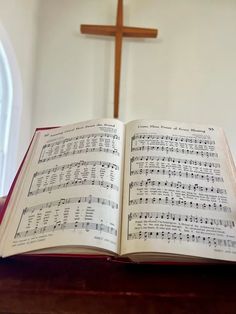
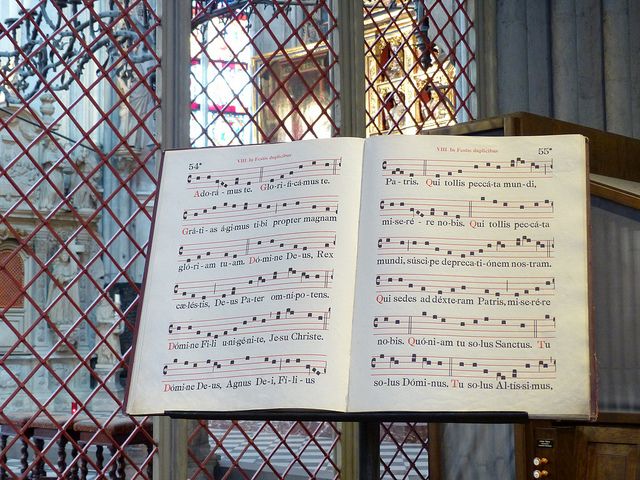
During the 19th-century revival movements, massive crowds gathered in outdoor fields, wooden tabernacles, and tent cities to hear traveling evangelists. Music was the central engine driving these gatherings, but coordinating thousands of voices in an era before digital screens or public address systems presented a major logistical challenge. The solution was the rapid distribution of cheap, lightweight hymn booklets. Often small enough to slip into a coat pocket, these printed collections allowed crowds across the American frontier and urban centers to learn new songs quickly, transforming huge, chaotic assemblies into organized, unified choirs.
Colporteurs and Itinerant Networks
The primary distribution channel for revival literature was a network of dedicated field workers known as “colporteurs” and circuit-riding preachers. Armed with saddlebags packed with low-cost “word-only” songsters and small hymnals, these traveling distributors traveled ahead of major revival campaigns. They traveled on foot, horseback, and riverboats, selling or freely distributing songbooks to families, rural churches, and local organizers. Publishers such as the American Tract Society and regional religious presses produced millions of these booklets, relying on this mobile network to ensure that attendees had books in hand long before the preacher stepped up to the pulpit.
On-Site Sales and Pocket-Sized Convenience
Once a revival or camp meeting began, on-site distribution took over. Temporary book stalls, supply wagons, and volunteer ushers greeted attendees at the entrances of meeting grounds. To make hymnals accessible to working-class families and rural settlers, publishers used cheap newsprint, paper covers, and compact dimensions—frequently measuring only a few inches tall. These budget-friendly “camp meeting choristers” were sold for just a few cents or funded by wealthy donors to be given away for free. Because early versions contained only lyrics without complex musical notation, printers could produce them in high volumes at a fraction of the cost of standard church hymnals.
“Lining Out” and Oral Sharing
In regions where literacy was low or printed supply could not keep pace with crowd sizes, distribution took on an oral and shared form. Leaders relied on a technique known as “lining out,” where the song leader would read or sing one or two lines of a hymn from the booklet before the entire congregation sang them back. In densely packed tents, single booklets were often shared among three or four people standing together. This cooperative approach ensured that even if only a fraction of the audience owned a physical copy, the entire room could participate in the music without missing a beat.
The Lasting Impact of Mass Publishing
The efficient distribution of 19th-century hymn booklets laid the groundwork for modern religious publishing and event logistics. By democratizing access to music, these small print runs helped popularize iconic gospel songs and standardized worship styles across geographically distant communities. What began as a practical fix for frontier revivals eventually evolved into mass-market music distribution. Today, studying how these early organizers printed and distributed millions of booklets offers a fascinating look at the intersection of print technology, grassroots marketing, and historical sacred culture.