Hymns serve as a unique architectural bridge between human emotion and divine encounter. Unlike contemporary songs that often focus on subjective feelings, traditional hymns are typically built upon a foundation of robust theology and objective truth. This “objective” nature provides a steady anchor; when personal emotions fluctuate, the lyrical depth of a hymn reminds the worshiper of the unchanging character of the Creator. By engaging the intellect through poetic verse and the heart through melody, hymns create a holistic environment where the presence of God can be experienced not just as a fleeting feeling, but as a profound realization of reality.
A Tapestry of Historical Witness
One of the most powerful aspects of hymnodizing is the sense of “the communion of saints”—the realization that one is singing the same truths that sustained believers through centuries of trial and triumph. When a modern congregation sings a 12th-century chant or an 18th-century masterpiece, they are participating in a timeless conversation. This historical continuity diminishes the isolation of the individual and connects them to a larger, eternal narrative. In this shared witness, the presence of God is felt through the collective voice of the ages, offering a perspective that transcends the immediate stresses of the present day.
The Power of Scriptural Resonance
Hymns often function as “Scripture set to music,” making complex theological concepts accessible and memorable. The meter and rhyme of a well-crafted hymn act as a mnemonic device, embedding the Word deeply into the believer’s subconscious. In moments of quiet reflection or intense struggle, these stored verses often resurface, providing immediate comfort and guidance. This internal resonance is a primary vehicle for experiencing God’s presence; as the lyrics align with biblical truth, the worshiper finds their thoughts being recalibrated to a divine frequency, fostering an intimacy born of understanding.
Harmony as a Metaphor for Unity
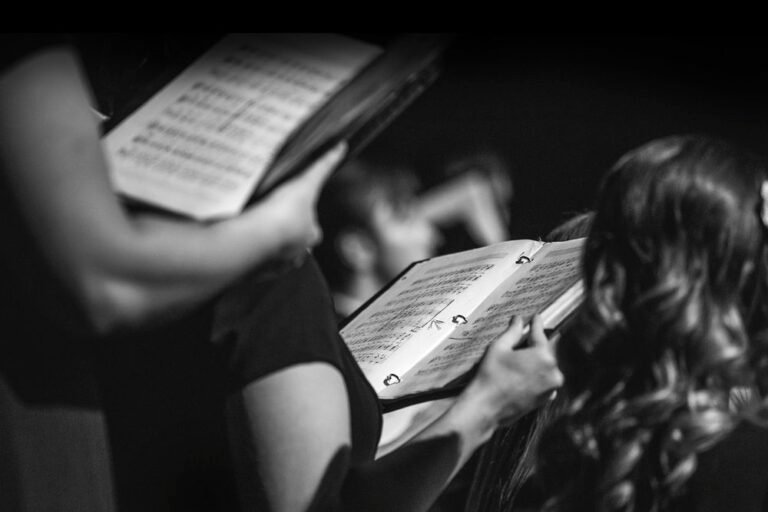
The musical structure of hymns, particularly when sung in four-part harmony, serves as a physical metaphor for the Body of Christ. As different voices—soprano, alto, tenor, and base—blend to create a single, unified sound, the act of singing becomes a tangible expression of spiritual unity. This corporate experience often facilitates a unique sense of the Divine presence, as it fulfills the promise that where two or more are gathered, there is a specific manifestation of grace. The harmony does not erase individuality but coordinates it, allowing the community to experience a “oneness” that reflects the nature of the Godhead.
The Discipline of Attentiveness
Finally, the deliberate pace and poetic density of hymns require a level of attentiveness that is increasingly rare in a fast-paced, digital world. To truly engage with a hymn is to practice a form of “auditory meditation.” This disciplined focus quiets the noise of daily life, creating the internal silence necessary to hear the “still, small voice.” By slowing down to navigate a complex melody or a profound stanza, the worshiper opens a door to contemplative prayer. It is in this space of focused adoration that the role of the hymn is fully realized: moving the believer from the role of a spectator to an active participant in the presence of the Almighty.