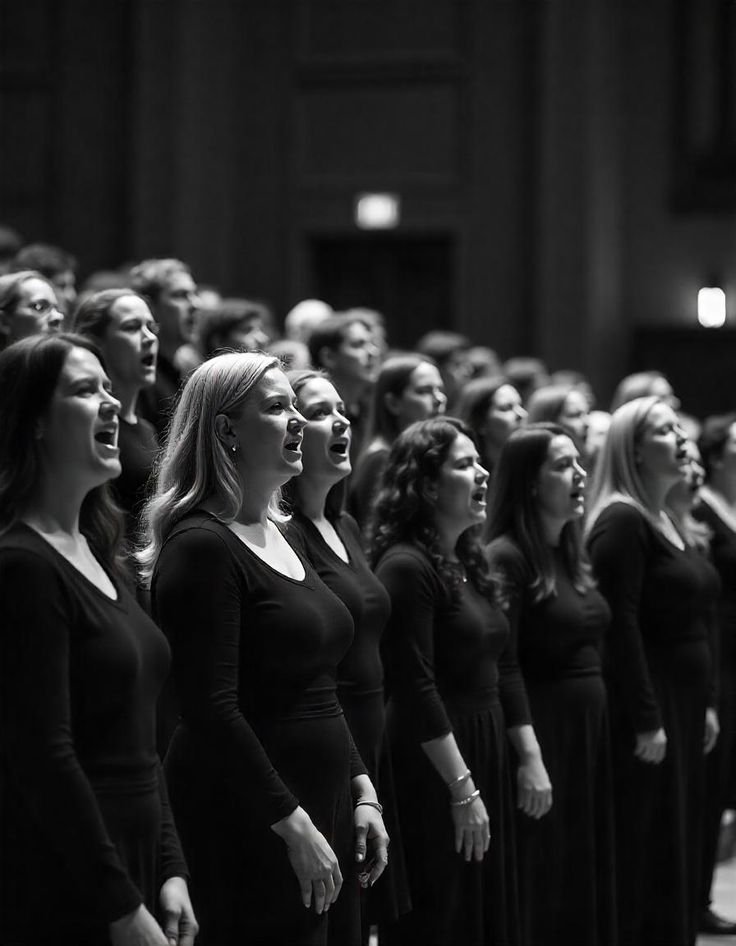
Higher education institutions often use their chapel services to anchor their institutional identity, creating a unique micro-culture for their student body. For some Bible colleges, this includes enforcing a strict “hymns-only” musical policy. While this mandate can initially surprise incoming students who are accustomed to contemporary radio hits, it is rarely a decision made on a whim. The policy represents a deliberate pedagogical choice. By restricting the chapel repertoire, these institutions aim to create an environment focused on historical continuity and theological precision, though it naturally sparks an ongoing debate regarding the balance between tradition and modern expression.
The Case for Theological Standardization
Proponents of an exclusive hymn policy argue that it ensures a high standard of theological education during corporate worship. Hymns are often celebrated as “singable systematic theology,” packed with structured doctrines regarding the nature of faith, redemption, and church history. For a Bible college, the chapel is not merely a time for emotional expression; it is an extension of the classroom. A hymns-only rule guarantees that every lyric sung aligns perfectly with the institution’s doctrinal statements. This rigorous approach protects young minds from the theological ambiguity sometimes found in fast-moving contemporary praise trends, establishing a durable, uniform foundation for future ministers.
The Challenge of Cultural Disconnection
Conversely, critics suggest that a strict rejection of modern worship music can create an artificial bubble that fails to prepare students for the realities of modern ministry. The vast majority of local churches today utilize a blended or contemporary musical style. By isolating students within a strictly nineteenth-century acoustic environment, colleges run the risk of causing a practical disconnect. Future pastors, missionaries, and worship leaders need to learn how to discern, select, and lead modern songs with wisdom. An outright ban on contemporary music can rob students of the opportunity to develop critical evaluation skills within a guided, educational setting.
Prioritizing Congregational Voice Over Production
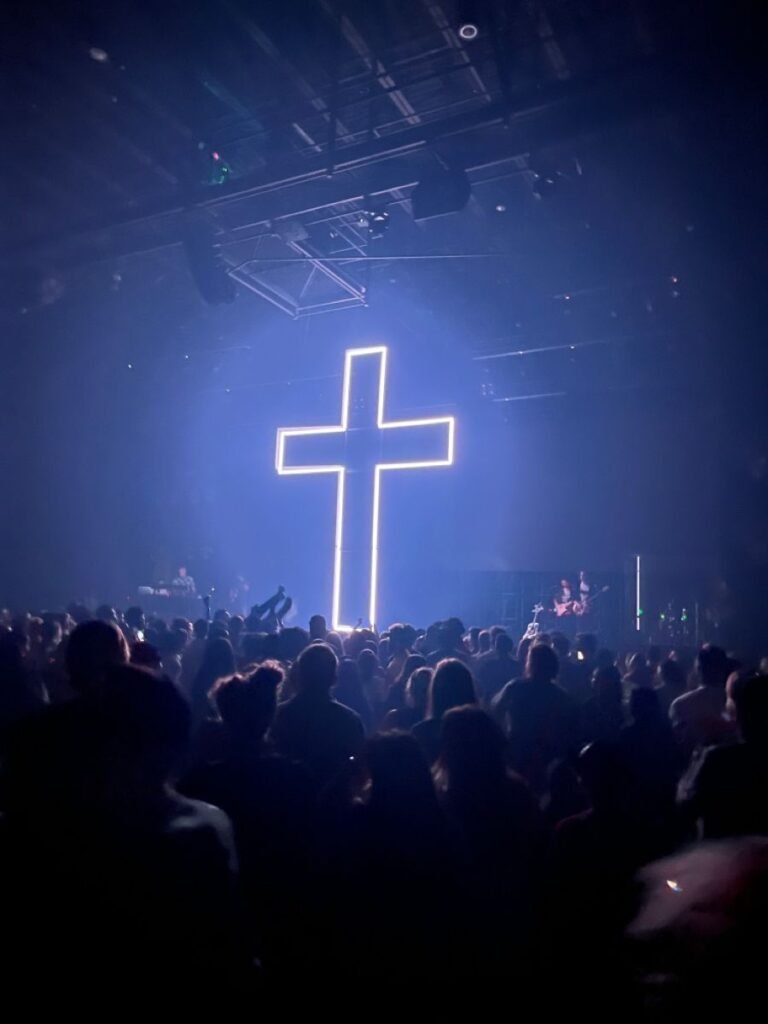
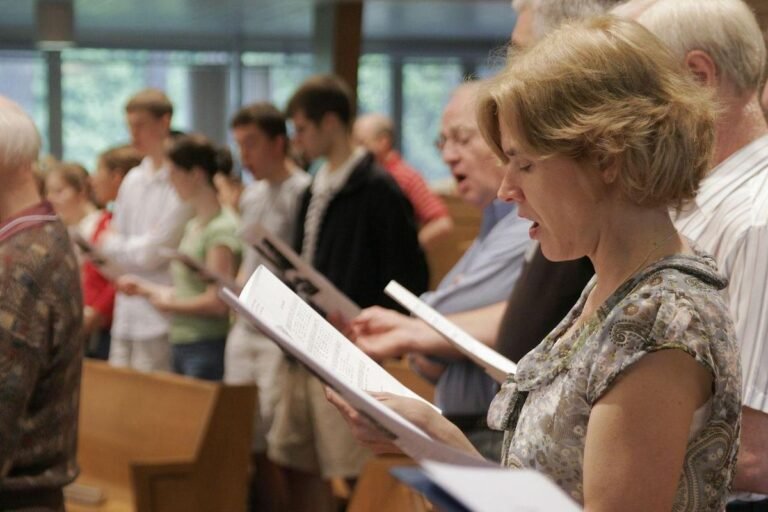
One undeniable benefit of a hymns-only approach is the immediate leveling of the acoustic playing field. Modern worship often relies heavily on complex audio production, specialized lighting, and professional musicianship, which can inadvertently turn students into passive spectators. Hymns, by design, feature straightforward melodic structures and predictable rhythms meant for the collective voice. In a chapel setting, removing the pressure of high-end production forces the focus back onto corporate participation. The raw, unfiltered sound of hundreds of peers singing in harmony creates a powerful sense of community that is difficult to replicate with a concert-style setup.
A Balanced Blueprint for Institutional Success
Ultimately, whether a Bible college is “right” to require exclusive hymn singing depends on its core institutional mission. For schools dedicated strictly to preserving a specific historical legacy, the policy is highly effective. However, for institutions aiming to maximize cultural relevance, a total ban may be counterproductive. A professional recommendation for modern administrations is to consider a strategic, blended framework—perhaps dedicating specific chapel days to historic hymns while allowing seasoned contemporary pieces on others. This balanced path honors the rich theological weight of the past while equipping the next generation to engage thoughtfully with the sounds of the future.