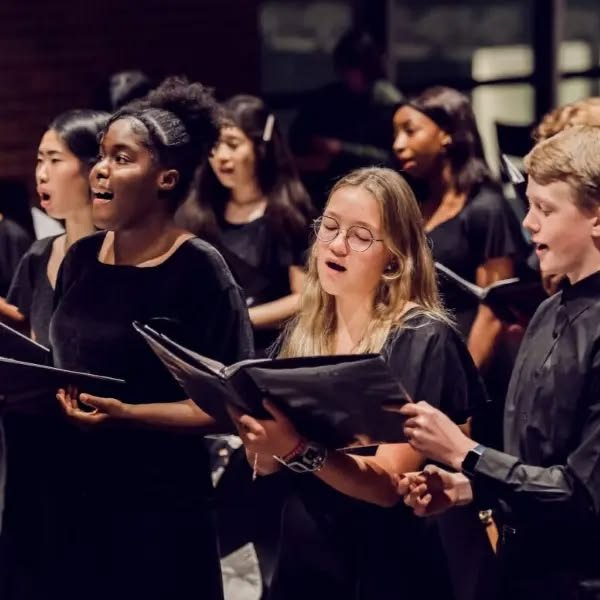
The relationship between hymns and the Psalms is one of the oldest and most significant threads in musical history. The Psalms were the original “hymnbook” of the early community, providing a diverse collection of poetry designed to be sung. When modern hymn writers draw from this source, they are tapping into a foundation that has already stood the test of thousands of years. These “Psalm-based hymns” act as a bridge, taking the ancient, raw emotions of the biblical text and translating them into a structured musical format that fits contemporary settings. This ensures that the songs we sing remain rooted in a text that is both authoritative and deeply human.
A Language for Every Season
One of the primary reasons hymns written from the Psalms are so effective is their emotional range. The Psalms cover every conceivable human experience—from the heights of celebration to the depths of despair and even the frustration of feeling forgotten. Hymns like “O God, Our Help in Ages Past” (based on Psalm 90) or “The King of Love My Shepherd Is” (based on Psalm 23) provide worshipers with a pre-written language for their own lives. In a professional world that often demands we mask our true feelings, these hymns offer a safe and structured way to express honesty, helping individuals process their reality with dignity and poise.
Simplicity and Memorization
Hymns that paraphrase the Psalms often excel at “simplicity by design.” The original Hebrew poetry of the Psalms relied on the repetition of ideas rather than rhyme, but hymn writers adapt these ideas into metered verses that are incredibly easy to memorize. This makes the theology of the Psalms “portable.” When a hymn is based directly on a Psalm, the singer is effectively memorizing Scripture without the strain of rote study. This creates a mental library of wisdom that can be accessed at any moment, providing a quick source of focus and strength during a stressful workday or a difficult life transition.
Universal Appeal and Unity
Because the Psalms deal with universal human themes, hymns derived from them tend to have a broad, cross-cultural appeal. They bypass many of the “style wars” that can sometimes divide modern congregations because their content is so foundational. Whether a person prefers a traditional or contemporary sound, the core message of a Psalm-based hymn remains a unifying force. This makes them an excellent recommendation for any communal setting, as they foster a sense of shared identity and mutual understanding. They remind us that our basic needs for peace, guidance, and hope are universal, regardless of our professional background or social status.
Preservation of Sound Doctrine
Finally, hymns written from the Psalms serve as a safeguard for sound doctrine. By staying close to the original biblical text, these hymns ensure that the “theology of the songbook” remains accurate and balanced. They prevent worship from becoming too focused on “self” by constantly redirecting the gaze toward unchanging principles and the character of the Divine. This disciplined approach to songwriting creates a legacy of music that is as intellectually stimulating as it is emotionally resonant. Ultimately, these hymns prove that the best way to move forward in our creative expressions is to keep a firm hold on the timeless wisdom of the past.