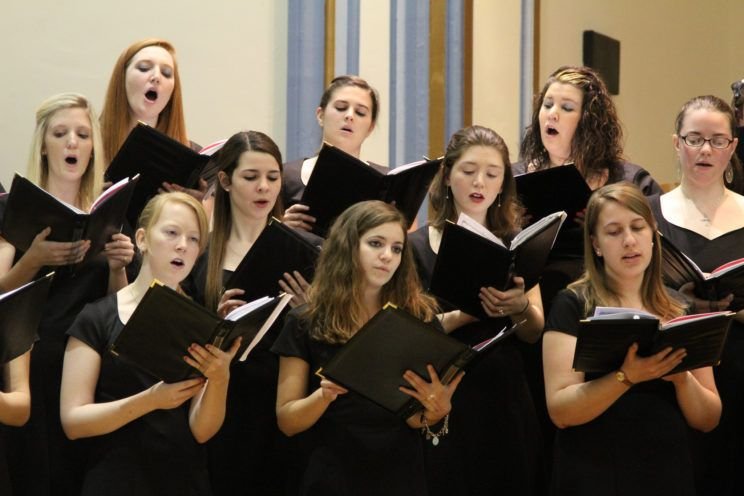
According to biblical narratives, hymns are far more than artistic expressions; they function as a strategic tool in spiritual warfare. The primary reason hymns create discomfort for spiritual adversaries is their high concentration of objective, scriptural truth. In biblical theology, the enemy of faith operates largely through deception, confusion, and the distortion of reality. Because classic hymns act as a “melodic catechism”—packing clear and simple sound doctrine into repeatable verses—they leave no room for ambiguity. Singing these songs essentially fills the environment with truth, dismantling the lies that fuel anxiety and fear.
The Power of Unified Authority
Scripture frequently highlights that spiritual authority is amplified through communal unity. When a congregation or an individual sings hymns, they are participating in a structured form of agreement. The biblical account of King Jehoshaphat demonstrates this strategy: when facing an overwhelming army, musicians were sent out ahead of the troops to sing praises, which resulted in the confusion and defeat of their enemies. Hymns create a unified front because they are designed for collective participation. This alignment of voices and hearts signals a state of spiritual readiness and order that shatters the isolation and chaos the enemy tries to create.
The Disruption of Spiritual Heavy Atmosphere
A major tactic of spiritual adversity is the creation of a heavy, oppressive internal atmosphere, often manifested as despair or paralysis. The Old Testament provides a clear example of how music breaks this heaviness in the life of King Saul, who found relief from an oppressive spirit whenever David played the lyre. Hymns change the atmosphere because they intentionally shift the focus from the problem to the solution. By vocalizing themes of divine sovereignty and past victories, the singer establishes a spiritual perimeter that rejects depression, replacing a heavy spirit with a garment of praise that forces adversaries to retreat.
Setting an Ambush Through Gratitude
In the New Testament, the most famous example of musical warfare occurs in a Philippian jail, where Paul and Silas sang hymns at midnight while chained in a dungeon. The biblical text notes that as they sang, a supernatural earthquake shook the foundations, opening the prison doors and breaking everyone’s chains. This narrative illustrates that hymns function as an “ambush” against captivity. Singing in the midst of adversity demonstrates a high level of spiritual intelligence and trust. It proves that the believer’s focus is anchored in unchanging principles rather than temporary suffering, effectively breaking the legal hold of oppression.
Preserving the Legacy of Victory
Ultimately, hymns are a threat to spiritual adversaries because they preserve and proclaim a legacy of absolute victory. Songs like “A Mighty Fortress Is Our God” explicitly declare the limitations and eventual defeat of negative spiritual forces. When these truths are sung consistently, they become deeply rooted in the long-term memory of the believer, building a resilient mind that cannot be easily manipulated. By keeping these classic declarations in active rotation, faith communities ensure that their spiritual defenses remain robust. Hymns remain a professional recommendation for spiritual health because they turn the act of worship into a declaration of triumph that the enemy cannot withstand.