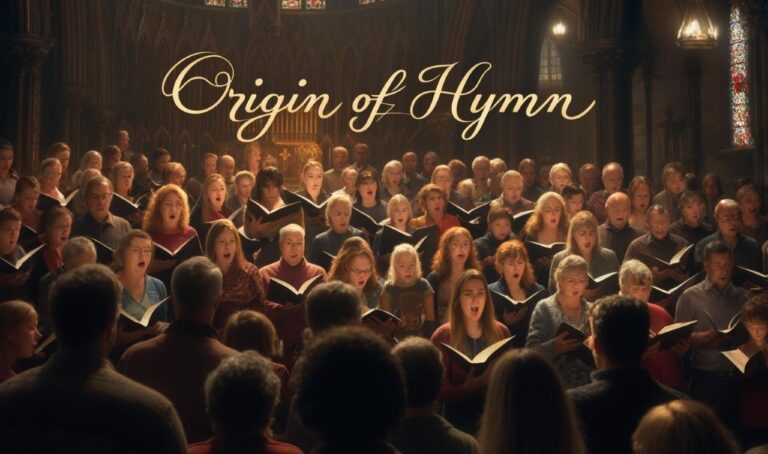
For centuries, global missions have faced a complex challenge: how to share a message across borders without accidentally imposing the culture of the sender. Historically, early cross-cultural workers often imported Western church music, complete with European four-part harmonies and specific instrumentation, into entirely different cultural landscapes. Today, an intense international debate surrounds this practice. Should modern workers be required to set aside their familiar musical habits and completely adopt local hymn traditions instead? Finding the balance between honoring local art forms and maintaining international unity requires a professional, careful look at both cultural identity and spiritual expression.
The Pitfalls of Musical Imperialism
The primary argument for requiring the adoption of local music styles centers on avoiding what historians call musical imperialism. When an outside group insists that their specific style of songwriting is the only correct way to express devotion, they unintentionally imply that the local culture is inferior. This approach can build an artificial barrier, making a global message feel like a foreign import rather than a personal reality. By instead utilizing local rhythms, native languages, and regional instruments, the concepts become immediately accessible and respected, allowing the community to own their heritage rather than just copying a distant, Western style.
The Value of an International Heritage
Conversely, an absolute requirement to completely reject outside music can overlook the beauty of a shared global history. Many Western hymns, such as “Amazing Grace” or “Great Is Thy Faithfulness,” carry timeless theological truths that have crossed global boundaries for generations. When a new community learns these historic pieces, they are not just absorbing Western culture; they are connecting to a multi-generational, international family of faith. Completely banning these songs can isolate a local group from the wider global community, cutting them off from a deep treasury of shared art that has brought comfort to millions worldwide.
Organic Contextualization Over Mandatory Rules
Rather than enforcing rigid, mandatory requirements, the most effective cross-cultural strategies lean toward a process called organic contextualization. True cultural appreciation cannot be forced by a strict rulebook; it must grow naturally through genuine relationship and mutual respect. Workers should be thoroughly trained to listen first, learning to appreciate the beauty of the local music before introducing anything new. When outside music is introduced, it should never replace the local heart-language. Instead, it should be offered gently as an addition, allowing the local community to decide which songs truly resonate with their own experiences.
A Recommended Framework for Musical Synergy
Ultimately, the goal of international work should not be total uniformity or total isolation, but a healthy, respectful synergy. The ideal recommendation for modern organizations is to cultivate a “two-way street” of musical exchange. A balanced community should naturally prioritize their native melodies and local instruments, ensuring their unique cultural voice is fully expressed, while occasionally welcoming classic, cross-cultural pieces that connect them to the global body. By moving away from rigid mandates and focusing on mutual honor, global communities can create a rich, diverse environment where every culture’s song is valued.