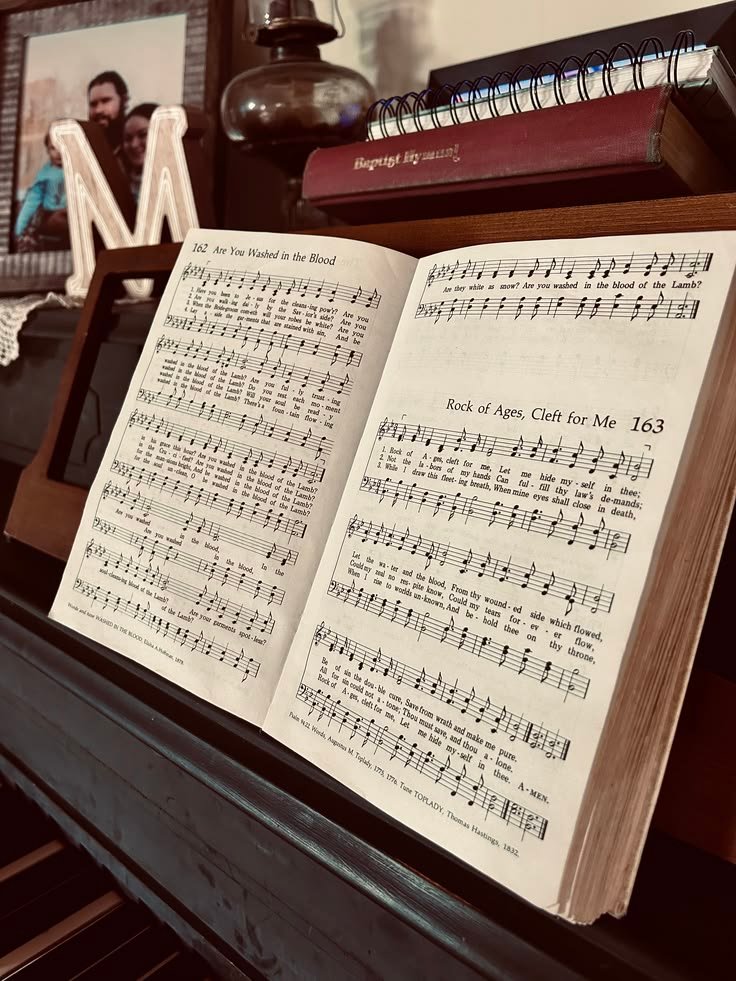
In an era of rapidly shifting trends, there is a growing realization that our spiritual “soundtrack” needs more than just catchy melodies and high-energy choruses. Many are calling for a return to classic hymns because they provide a sturdier foundation for the modern mind. These songs were built to last, offering a “weighty” theology that addresses the deep questions of existence, suffering, and hope.
Bridging the Wisdom Gap
The return of classic hymns serves as a vital bridge between generations. In many contemporary settings, there is a “wisdom gap” where the songs of the youth and the songs of the elders rarely meet. Old hymns carry the “scars” and victories of those who have already walked the long road of life, offering a tested perspective that is invaluable to younger generations. When we sing these words together, we aren’t just performing a musical style; we are participating in a communal inheritance.
Tools for Mental and Emotional Resilience
Modern life is characterized by high levels of stress and “decision fatigue,” making mental resilience a top priority. Their rhythmic structure and poetic clarity provide a sense of order in the midst of chaos.
Cultivating Spiritual and Cultural Literacy
Beyond their spiritual value, hymns are masterpieces of poetic and cultural literacy. They translate complex ideas into “simple complexity,” making deep truths accessible and easy to remember through rhyme and meter. In a society where attention spans are shrinking, the structured verses of a hymn encourage a longer form of reflection. This practice hones the mind’s ability to focus and internalize important values. By returning to these texts, we are essentially “preaching” a high-quality, melodic catechism to ourselves, ensuring that our core principles are etched into our memory rather than just being heard once and forgotten.
A Strategic Move for the Future
Ultimately, the return of old hymns is not an act of nostalgia, but a strategic move toward a more resilient future. These songs have survived centuries of cultural change, proving that their message is independent of fashion. By integrating the depth of the past with the energy of the present, we create a more holistic and sustainable worship culture. The recommendation to bring these hymns back is a call to value durability over novelty.