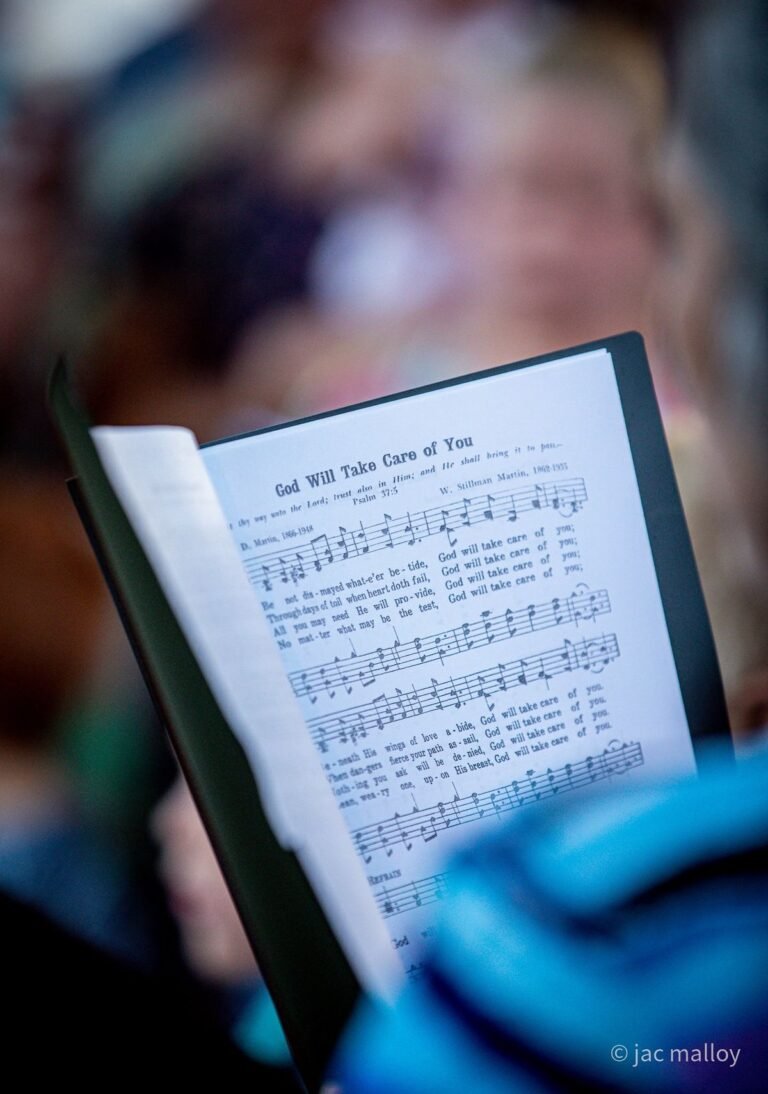
The early church did not view singing as a mere opening act for a sermon; they viewed hymns as a vital survival tool. In an era where Christianity was often underground and formal Bibles were non-existent for the average person, hymns functioned as a portable library of faith. These songs were designed to be “sticky” so that believers could carry the core teachings of their faith in their hearts while working in the fields or facing persecution. Modern Christianity often treats worship as a professional production to be consumed, but the early church knew that a hymn was a weapon of resilience meant to be used when the music stopped.
Theology for the Everyman
One of the “forgotten” secrets of early hymns was their role as a primary teacher. Most early Christians could not read, so the hymns were written as rhythmic, rhyming summaries of deep spiritual truths. They were essentially “musical classrooms.” While we now rely on podcasts and books to learn our theology, the early church utilized the melody to bake complex ideas into the common person’s mind. This ensured that even the youngest or least educated member of the community had a sophisticated understanding of their beliefs, creating a level of spiritual literacy that was incredibly robust.
The Power of the United Voice
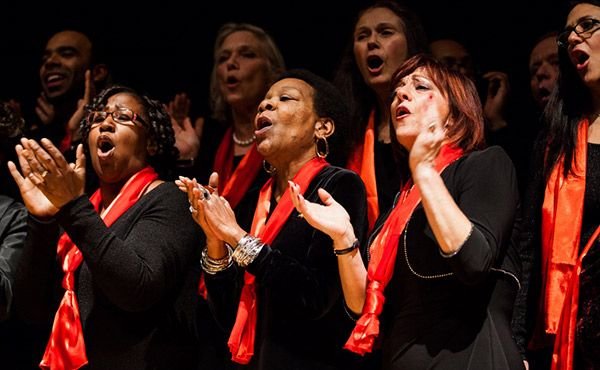
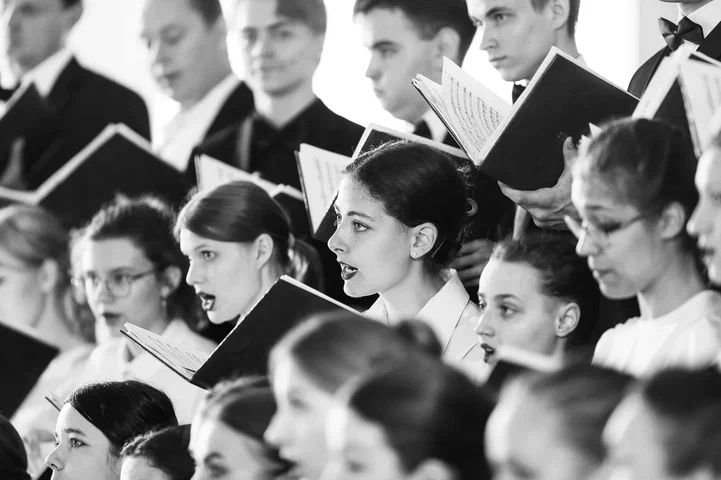
In the modern era, we often focus on the quality of the sound system or the talent of the worship leader. The early church, however, focused on the power of the “unison voice.” They understood that when a community sings the same words together, it physically and psychologically binds them into a single unit. This wasn’t about being entertained; it was about “audible unity.” By singing hymns that utilized the word “we” instead of “I,” they reinforced a communal identity that was strong enough to withstand social isolation. They knew that a singing congregation is much harder to break than a group of silent individuals.
Worship as a Lifestyle, Not an Event
For the early believers, a hymn was not something you only did once a week in a specific building. They practiced “perpetual worship,” where hymns were integrated into the rhythms of daily labor and family life. This kept their minds focused on their values throughout the day, rather than compartmentalizing their faith into a Sunday morning time slot. Modern Christianity has largely forgotten this seamless integration. The early church understood that if you sing your values while you work, those values eventually become the steering wheel for your character and your professional integrity.
The Resilience of the Martyred Melody
Finally, the early church knew that hymns had the power to provide peace in extreme crisis. Historical accounts are filled with stories of early Christians singing hymns even in their final moments. They didn’t sing because they were happy; they sang because the words were true, and the truth gave them a courage that outperformed their fear. This “tested” nature of hymns is something we often overlook today. By rediscovering these ancient songs, we tap into a legacy of enduring strength that helps us navigate our own modern anxieties with a calm, professional, and unshakable confidence.