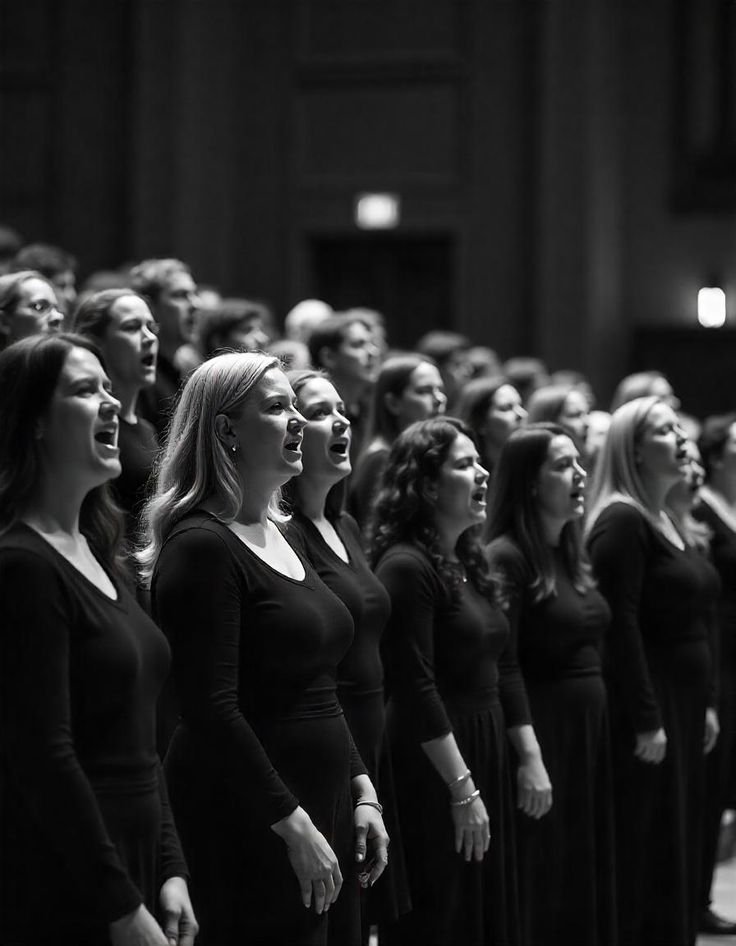
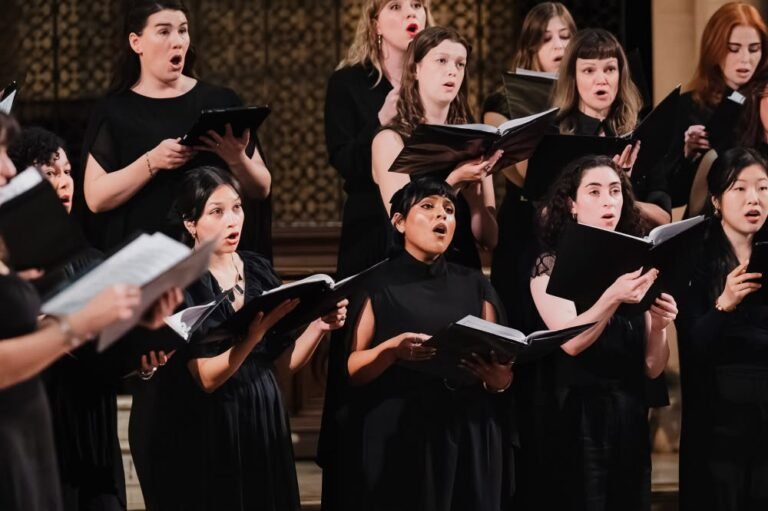
In the face of extreme hostility, the response of early Christians was not only one of quiet endurance but of vocal defiance through song. For these communities, singing hymns during times of intense persecution was a deliberate strategy to reclaim their psychological and emotional space. By singing, early believers shifted the power dynamic; they refused to let fear dictate their posture, transforming prisons and hidden catacombs into halls of worship.
A Code of Shared Identity
Hymns in the early church functioned as a highly effective code that reinforced a shared identity under pressure. In an era before printing presses or digital communication, the repetitive and rhythmic nature of songs made them the perfect vehicle for preserving core beliefs. Singing together reminded isolated believers that they belonged to a global, indestructible movement. These melodies carried the “theological DNA” of the faith, serving as a reminder of who they were and what they stood for.
The Physiology of Courage
From a practical and biological standpoint, singing hymns provided the early Christians with the physical fortitude needed to face trauma. The act of singing requires controlled, deep breathing, which naturally lowers the heart rate and signals the nervous system to remain calm. In moments of extreme terror—such as facing execution in public arenas—singing was a physiological tool to manage panic. It provided a “harmonic anchor” that kept their minds focused on an eternal reality rather than the immediate threat. This physical composure was often so striking that it baffled their captors, serving as a silent sermon to the onlookers.
Recontextualizing Present Suffering
The lyrics of early Christian hymns were uniquely crafted to help believers recontextualize their immediate pain. Rather than viewing their suffering as a sign of defeat, the songs framed their trials as a participation in a larger, historic narrative of victory. Hymns focused heavily on the themes of resurrection, the temporary nature of earthly empires, and the ultimate triumph of justice. By singing these truths, the early church practiced a form of cognitive reframing. The song reminded them that their current affliction was merely a brief stanza in a much grander story, which stripped the oppressor of their ultimate weapon: the fear of death.
An Enduring Legacy for Modern Resilience
Ultimately, the reason early Christians sang during persecution is that they understood music to be a weapon of spiritual warfare and a tool for long-term survival. This historical reality provides a professional-grade recommendation for modern individuals seeking to build resilience in their own lives. When we examine why these ancient songs have survived, we find that they were forged in the fires of adversity, giving them a “grit” that light entertainment cannot provide. By understanding the roots of these hymns, contemporary readers can appreciate them not as museum pieces, but as active resources designed to keep the human spirit unbroken in any challenging environment.