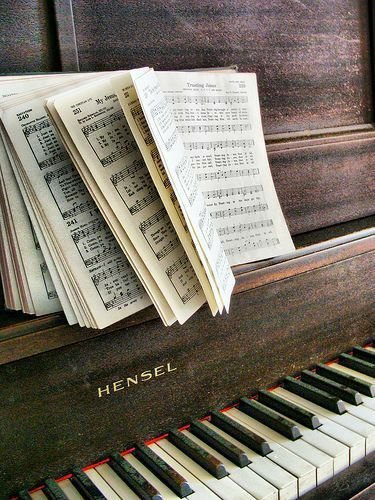
In the landscape of modern spirituality, hymns stand as a durable “melodic catechism,” bridging the gap between complex theology and the human heart. Unlike contemporary songs that often focus on subjective emotional experiences, hymns are typically structured as poetic narratives that explain foundational beliefs. They serve as a vital educational tool, using rhyme and rhythm to help believers internalize the core tenets of their faith. By setting deep truths to music, hymns ensure that the “silent sermons” of the past remain accessible and memorable for the average person in the pew.
A Legacy of Historical Resilience
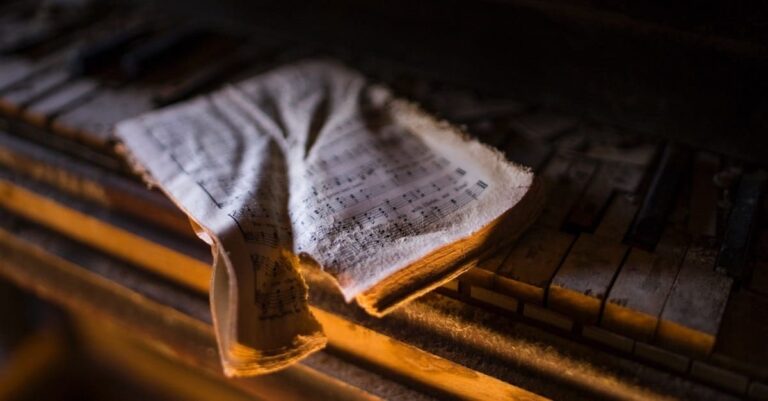
One of the most compelling reasons for the continued importance of hymns is their historical weight. Many of these compositions were birthed in the crucible of intense trial—written during times of war, plague, and personal loss. This history gives them a unique authority and a “grit” that resonates with people facing modern challenges. When a congregation sings a hymn from the eighteenth century, they are participating in a communal legacy of resilience. This connection to a “cloud of witnesses” provides a sense of perspective, reminding us that the struggles we face today are part of a much larger, enduring story of faith.
Fostering Generational Unity
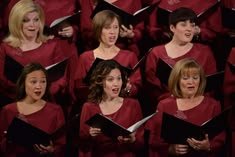
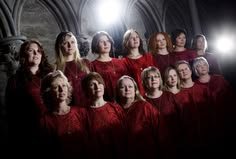
In a society that is increasingly divided by age and preference, hymns act as a powerful unifying force. They provide a shared language that transcends generational boundaries, allowing children, parents, and grandparents to worship side-by-side with a single voice. This multi-generational appeal is essential for the health of any community, as it prevents the “siloing” of different age groups. By valuing the songs of the past, younger generations show respect for their heritage, while older generations see their legacy being carried forward, creating a sense of social and spiritual cohesion that is rare in today’s world.
The Physiology of Peace and Reflection
Beyond their lyrical content, the actual structure of hymns offers significant psychological and physiological benefits. Most hymns are written with a steady, predictable meter and a range that is easy for the average person to sing. This encourages deep, rhythmic breathing, which naturally lowers stress levels and fosters a sense of calm. In a fast-paced, high-decibel world, the deliberate pace of a hymn acts as a “harmonic anchor,” slowing down the mind and providing the “quiet time” necessary for reflection. It is a professional way to manage mental health while focusing on higher principles.
A Foundation for the Future
Ultimately, the importance of hymns lies in their ability to provide a stable foundation in a shifting cultural landscape. While musical trends come and go, the truths embedded in classic hymns remain constant. They act as a safeguard against “theological drift,” ensuring that the central message of the faith is preserved for future generations. By continuing to sing these songs, the church is not merely clinging to tradition for tradition’s sake; it is strategically investing in its own long-term health. A hymn well-sung is a recommendation for a faith that is both ancient in its wisdom and ever-new in its relevance.