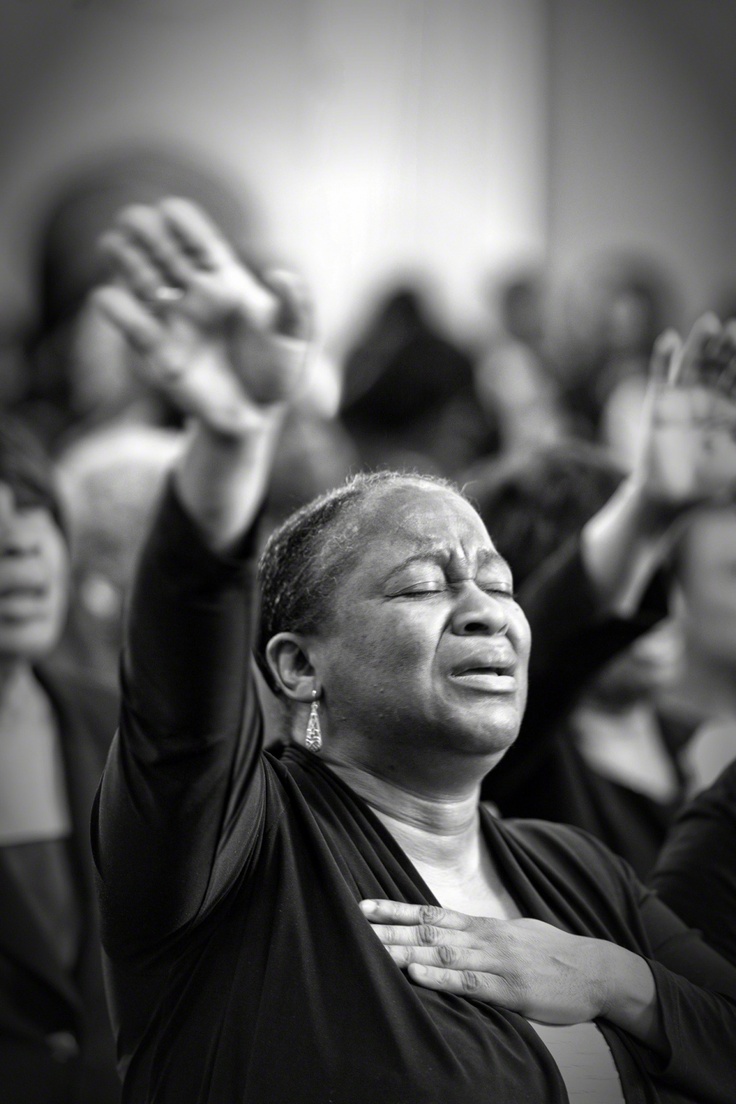
The most fundamental reason for singing hymns is that the Bible explicitly instructs it. In the New Testament, specifically in the books of Ephesians and Colossians, believers are encouraged to speak to one another in “psalms, hymns, and spiritual songs.” This isn’t merely a suggestion for those who are musically inclined; it is presented as a primary way for a community to be filled with the Spirit. By following this mandate, we align our modern gatherings with the foundational practices of the early church, ensuring our worship remains rooted in a clear, biblical tradition.
Teaching and Admonishing One Another
The Bible describes singing as a form of “mutual ministry.” According to Colossians 3:16, singing hymns is a key method for the word of Christ to dwell richly within a congregation, allowing members to teach and admonish one another. Because hymns are essentially “theology set to music,” they act as a teaching tool that helps people internalize complex truths. When we sing together, we are effectively preaching the gospel to our neighbors in the pews, using melody to make the “silent sermons” of faith both memorable and accessible.
A Sacrifice of Praise
In the Old Testament, worship often involved physical sacrifices at an altar. In the New Covenant, the language shifts to the “sacrifice of praise.” The author of Hebrews encourages believers to continually offer up a sacrifice of praise to God, defined as the “fruit of lips that acknowledge his name.” Singing hymns requires a deliberate investment of breath, energy, and focus. It is a physical way to honor the Creator, demonstrating that our devotion isn’t just a private thought but a public, audible offering of gratitude and reverence.
Strength in Times of Trial
The Bible provides powerful examples of how singing serves as a weapon against despair and fear. Perhaps the most famous instance is Paul and Silas singing hymns while imprisoned in a dark, inner cell. Their choice to sing during a moment of intense suffering shifted their perspective and even affected those around them. This biblical precedent shows that hymns are intended to be a source of spiritual resilience. They remind the singer of God’s sovereignty and past faithfulness, providing a steady “harmonic anchor” when external circumstances are chaotic.
Modeling the Heavenly Pattern
Finally, the Bible suggests that singing is the eternal occupation of heaven. The book of Revelation describes a future reality where “every creature in heaven and on earth” joins in a song of praise. By singing hymns today, we are participating in a “rehearsal” for eternity. It connects the current moment to a larger, timeless narrative that spans from the beginning of creation to the end of the age. This perspective elevates a simple song from a weekly routine to a professional and spiritual participation in a global, eternal chorus.