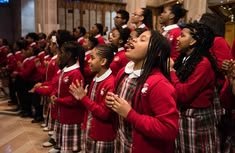
Hymns serve as a vital “living archive,” preserving the theological and cultural DNA of Christian heritage across millennia. While historical documents and archaeological finds provide a static glimpse into the past, hymns offer a dynamic, audible connection to previous generations. They encapsulate the prayers, struggles, and triumphs of those who came before, allowing modern practitioners to literally breathe the same air and sing the same truths as their ancestors. This continuity ensures that the foundational pillars of the faith are not merely remembered as historical footnotes but are experienced as a vibrant, ongoing reality.
A Bridge Across Time and Culture
One of the most remarkable features of hymnody is its ability to bridge vast chronological and denominational divides. A hymn written in 4th-century Milan can be sung alongside a melody composed in 18th-century Germany or 20th-century Africa, creating a “trans-historical” community. This cross-pollination of music and verse prevents the heritage from becoming insular or stagnant. By maintaining these classic compositions in the regular rotation of modern worship, the church guards against the “tyranny of the present,” ensuring that contemporary expressions remain anchored in a global and ancient context.
Preservation Through Oral Tradition
In many periods of history, hymns were the primary vehicle for preserving Christian heritage among those with limited access to formal education or printed materials. The rhythmic and melodic structure of a hymn acts as a powerful mnemonic device, locking complex narratives and heritage into the collective memory. This oral tradition has allowed the central stories of the faith to survive through persecutions, migrations, and social upheavals. Even in a digital age, this “sung history” remains one of the most resilient methods of passing down values and identity from one generation to the next.
Safeguarding Theological Integrity
Christian heritage is defined by its core doctrines, and hymns act as the guardians of these truths. By embedding heavy theological concepts—such as the nature of the atonement or the attributes of the Divine—into song, hymns protect the faith from “doctrinal drift.” When a hymn is passed down, the theology it carries remains intact, providing a standard of sound teaching that persists even when external cultural trends shift. This makes the hymnbook a strategic tool for leadership, ensuring that the intellectual and spiritual legacy of the faith remains uncompromised by the passage of time.
The Emotional Pulse of History
Finally, hymns preserve the “emotional pulse” of Christian heritage, capturing the subjective experience of faith in a way that cold prose cannot. They record how historical communities felt during times of war, plague, or revival, providing a window into the human side of history. To sing these hymns today is to participate in a shared emotional legacy, drawing strength from the resilience of the past. This emotional connection is what makes heritage feel relevant and personal, transforming a historical record into a source of professional and spiritual inspiration for the modern world.