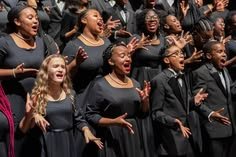
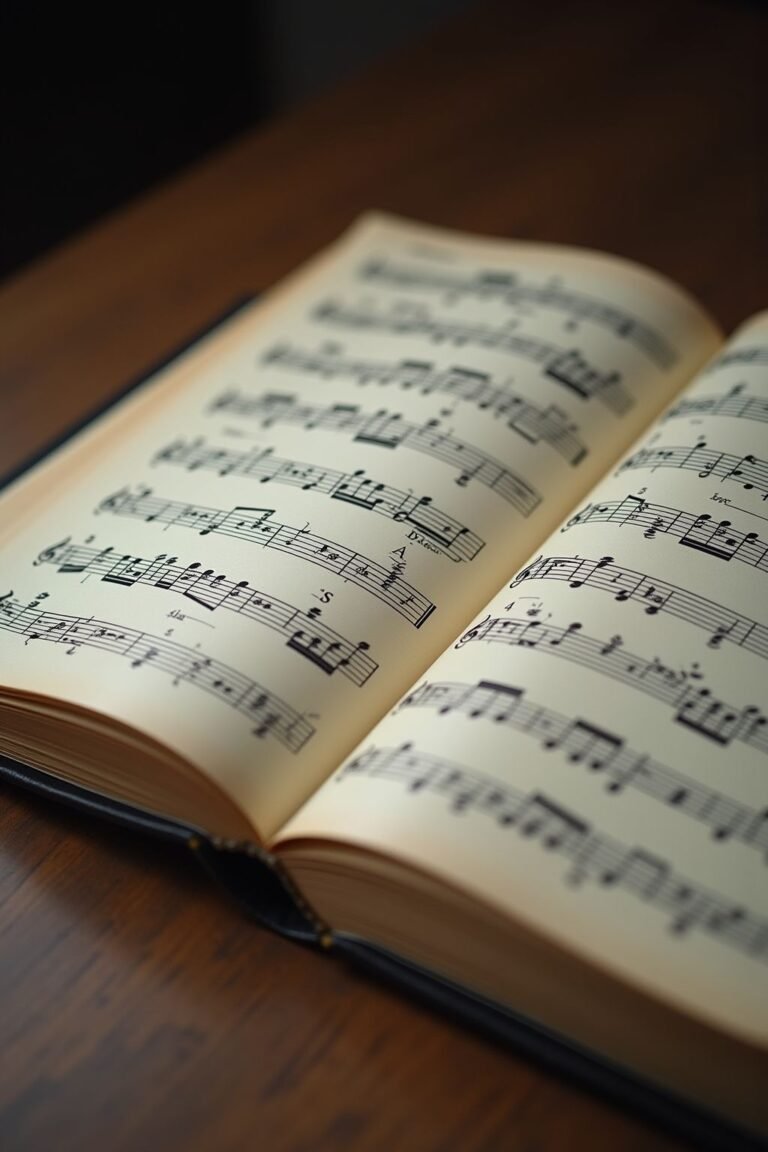
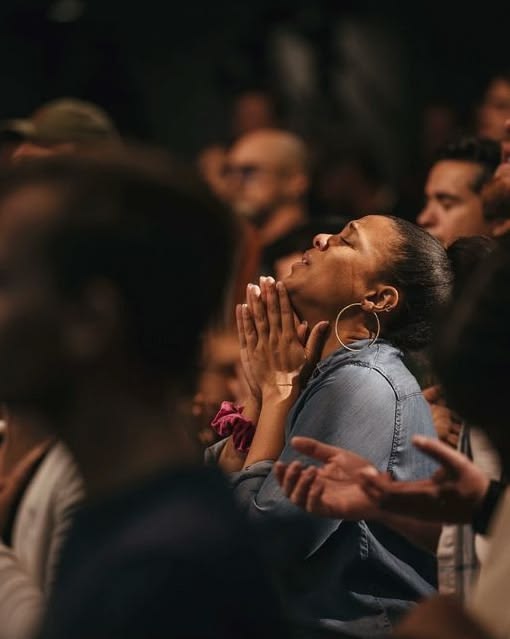
Hymns serve as one of the few remaining cultural “bridges” capable of spanning the generational divide within a community. In an era where media consumption is increasingly fragmented by age-specific algorithms, the traditional hymn remains a shared language. When a multi-generational group gathers to sing a melody that has persisted for centuries, it creates a unique moment of temporal synchronicity. The older generation finds a sense of continuity and legacy, while the younger generation is grafted into a historical narrative that extends far beyond their own lived experience. This shared participation reinforces the idea that faith and identity are not reinvented by every age, but are inherited and stewarded.
Vessels of Historical Memory
Beyond their musical value, hymns act as portable archives of historical memory. They carry with them the theological reflections, cultural struggles, and linguistic nuances of the eras in which they were written. To sing a hymn from the fourth century, the Reformation, or the Great Awakening is to engage in a form of “auditory time travel,” connecting modern worshipers with the lived realities of their predecessors. This connection prevents “chronological snobbery”—the tendency to believe that the current generation’s insights are inherently superior—by grounding the present in the wisdom and endurance of the past.
The Preservation of Linguistic Beauty
In a professional landscape often dominated by utilitarian and technical language, hymns preserve a high standard of linguistic beauty and metaphorical depth. They introduce each new generation to a rich vocabulary of devotion, utilizing poetry to articulate complex emotional and spiritual states. This exposure to elevated language is crucial for intellectual and cultural development, as it provides individuals with the tools to express their own experiences with greater precision and dignity. By maintaining these “well-worn” texts, communities ensure that their collective expressive capacity remains robust and sophisticated.
Stability in a Transient World
The lasting purpose of hymns is also found in their remarkable stability. While musical trends and worship styles are subject to the whims of cultural fashion, hymns possess a durability that offers a psychological “safe harbor.” This stability is particularly vital during times of societal upheaval or personal transition. Knowing that the same words sung by one’s grandparents are available to one’s children provides a profound sense of security. This enduring nature makes hymns a reliable resource for character formation, as they offer a consistent set of principles that remain unchanged despite the rapid fluctuations of the modern world.
A Legacy of Shared Conviction
Ultimately, the purpose of passing hymns from generation to generation is the cultivation of shared conviction. These songs are more than mere artifacts; they are active declarations of belief that define the boundaries and values of a community. By teaching hymns to the next generation, a community is essentially providing them with a “spiritual compass” for the future. The melodies act as the carrier signal for truths that the community deems essential for survival and flourishing. In this way, hymns ensure that the core identity of a people is not lost to the passage of time, but is instead harmonized and amplified with every passing year.