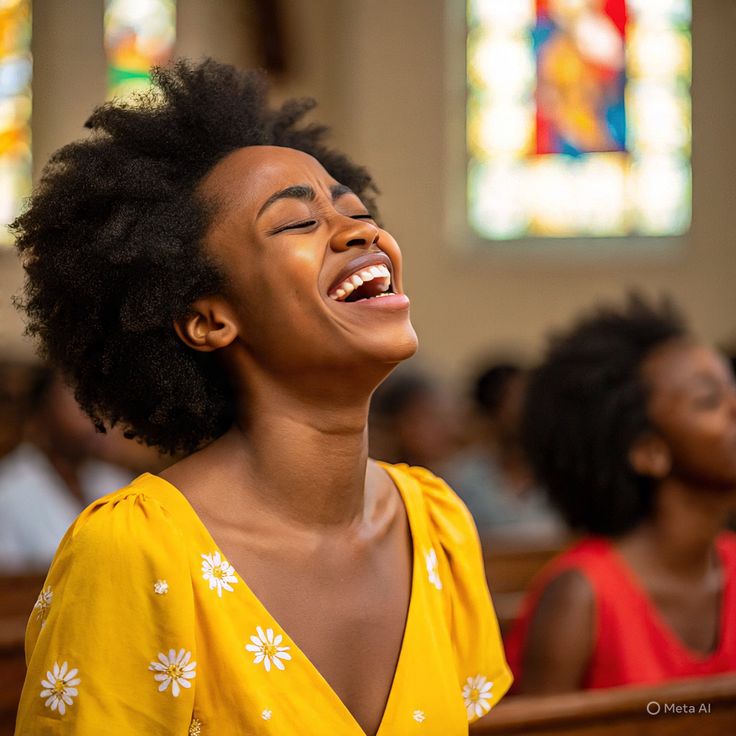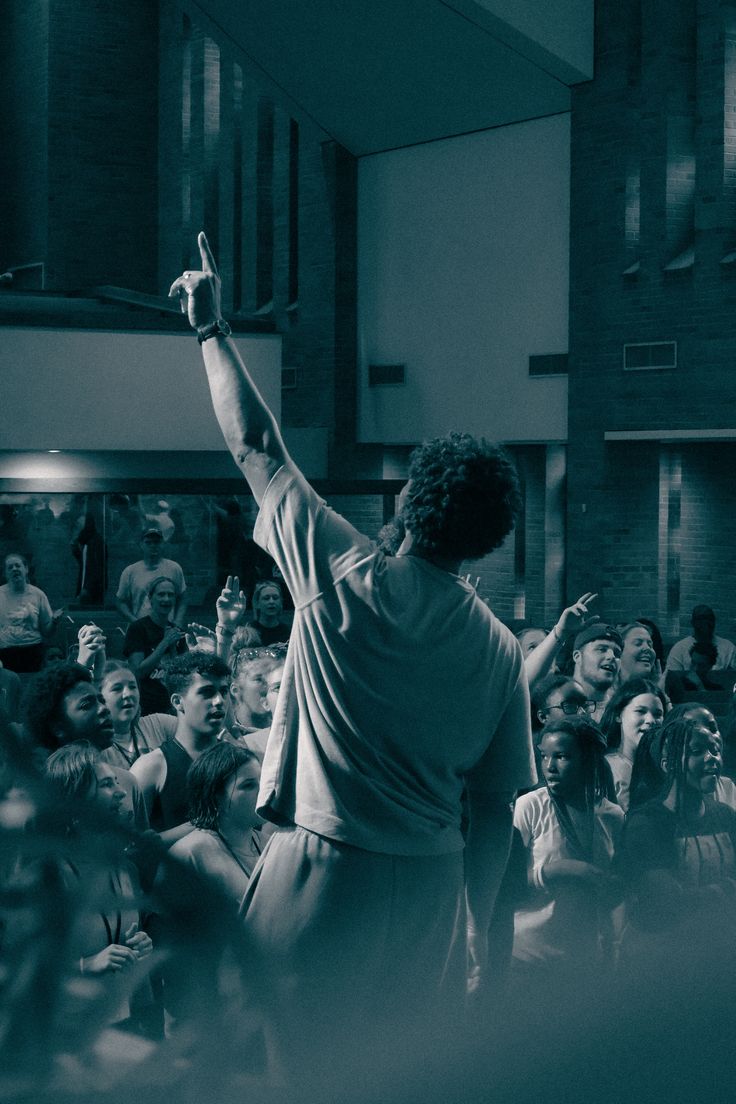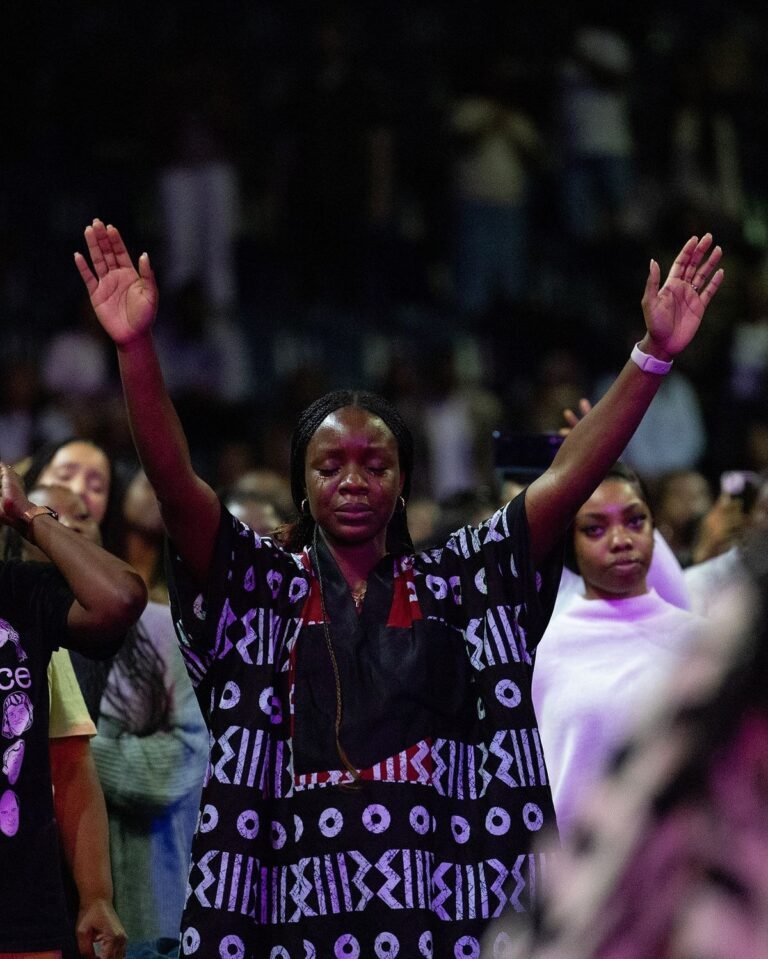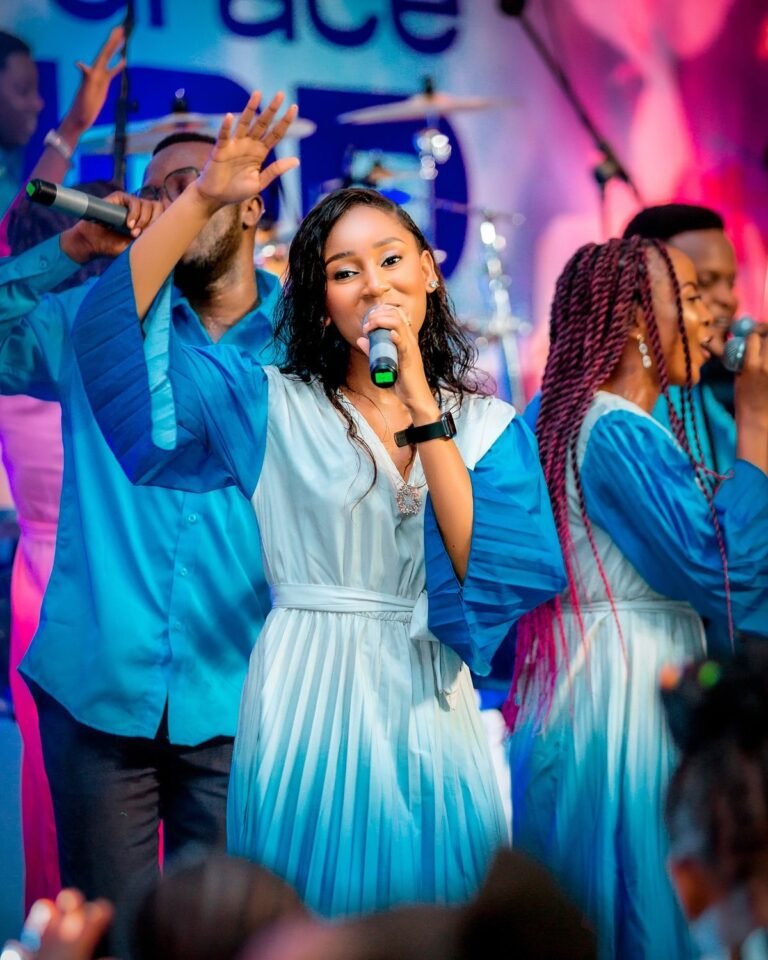
Every year, hundreds of new worship songs are written and released into the global church repertoire, yet only a small fraction survive past their first decade. The phenomenon of why some songs age into timeless classics while others fade into obscurity comes down to a structural balance between cultural trends and timeless truth. Songs that age well possess a durable quality that allows them to transcend the specific era in which they were written. Understanding this difference is essential for church leaders and music directors who want to build a music catalog that supports long-term spiritual growth rather than short-term emotional excitement.
Substance Over Emotional Trends
The primary reason certain worship songs age better than others is the depth of their lyrics. Songs built entirely around current slang, vague emotional phrases, or highly specific cultural moments tend to have a very short shelf life. In contrast, songs that draw their vocabulary directly from historical texts, scriptural narratives, and universal human experiences remain relevant across generations. When a song focuses on timeless themes like justice, mercy, faithfulness, and hope, it provides a stable language of devotion that does not depend on a passing fad to feel meaningful.
Participatory Versus Performance Design
Musical architecture plays a massive role in how well a piece of music survives over the years. Many modern worship tracks are written with a “performance design,” featuring complex vocal ranges, syncopated rhythms, and long instrumental solos that sound great on a professional recording but are difficult for an average group to sing together. The songs that age best are usually built with a “participatory architecture.” They feature simple, intuitive melodies and a comfortable vocal range that allows anyone, regardless of musical training, to join in easily. This accessibility ensures the song remains a practical tool for community gathering.
Structural Flexibility Across Genres
A truly timeless worship song has the unique ability to survive a complete change of wardrobe. If a song can only be performed using a specific setup—like an electric guitar delay pedal or an electronic synthesizer—it will inevitably age alongside that specific technology. The most resilient songs are structurally flexible; they can be stripped down to a single acoustic guitar or a piano, or expanded to a full choir and orchestra, without losing their core power. This adaptability allows different generations and cultural groups to rephrase the song in their own musical style while preserving its original intent.
Anchoring Communal Memory
Ultimately, the songs that age best are those that successfully anchor themselves in the shared milestones of a community. When a song is simple enough to be memorized, deep enough to comfort someone in a crisis, and flexible enough to be sung at both weddings and funerals, it becomes part of the community’s identity. It moves from being a product consumed on a streaming platform to a legacy passed down to the next generation. By prioritizing lyrical clarity, musical simplicity, and structural adaptability, songwriters and leaders create music that doesn’t just capture a moment, but endures for a lifetime.