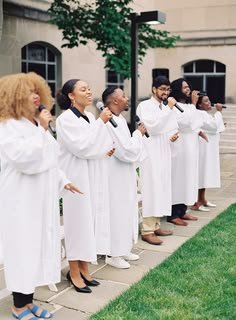
The relationship between worship and finance is often misunderstood as a simple, transactional formula: give a certain amount to receive a larger financial return. However, a professional and grounded perspective reveals that the true impact of worship on a person’s financial situation begins with an internal shift in mindset. Worship, at its core, is the act of reorienting one’s values and recognizing a higher authority. When an individual shifts their focus from a state of constant financial anxiety and scarcity to one of gratitude and trust, it fundamentally alters how they view their resources. This psychological reset reduces panic-driven financial decisions and opens the mind to strategic, long-term planning.
Breaking the Cycle of Consumerism
A primary way worship influences personal finance is by breaking the grip of impulsive consumerism. Modern society relies heavily on the narrative that personal worth is tied to material possessions, which often drives individuals into unsustainable debt. By finding contentment and fulfillment in a spiritual context rather than a commercial one, the desire for unnecessary spending naturally decreases. This behavioral shift creates an immediate, positive impact on a household budget, allowing for increased savings and better debt management.
Cultivating Professional Integrity
True worship extends beyond a weekly service and manifests as a lifestyle of integrity, ethics, and service. In the professional world, an individual who views their daily labor as an extension of their worship tends to operate with a higher level of dedication and excellence. This commitment to quality and honesty builds a strong professional reputation, which is a vital asset in any economy. Employers and clients consistently seek out individuals who are reliable and principled. Therefore, the character traits cultivated through authentic worship often lead to career advancement, increased professional opportunities, and subsequent financial stability.
The Principle of Wise Stewardship
Worship introduces the concept of stewardship—the idea that resources are not merely owned, but managed on behalf of a greater purpose. This perspective encourages a disciplined approach to budgeting, investing, and giving. When money is viewed as a tool for positive impact rather than just a means for personal indulgence, an individual becomes more deliberate with their expenditures. Wise stewardship requires a person to look past immediate gratification in favor of future stability and community support.
The Ultimate Return on Investment
The most significant financial change that comes from worship is the freedom from the fear of lack. By anchoring one’s security in unchanging principles rather than fluctuating market trends, an individual gains an internal resilience that money cannot buy. This steady foundation allows professionals to navigate economic downturns with poise and clarity. While worship may not instantly alter a financial ledger, it transforms the person managing it, creating a sustainable path toward holistic prosperity and peace of mind.