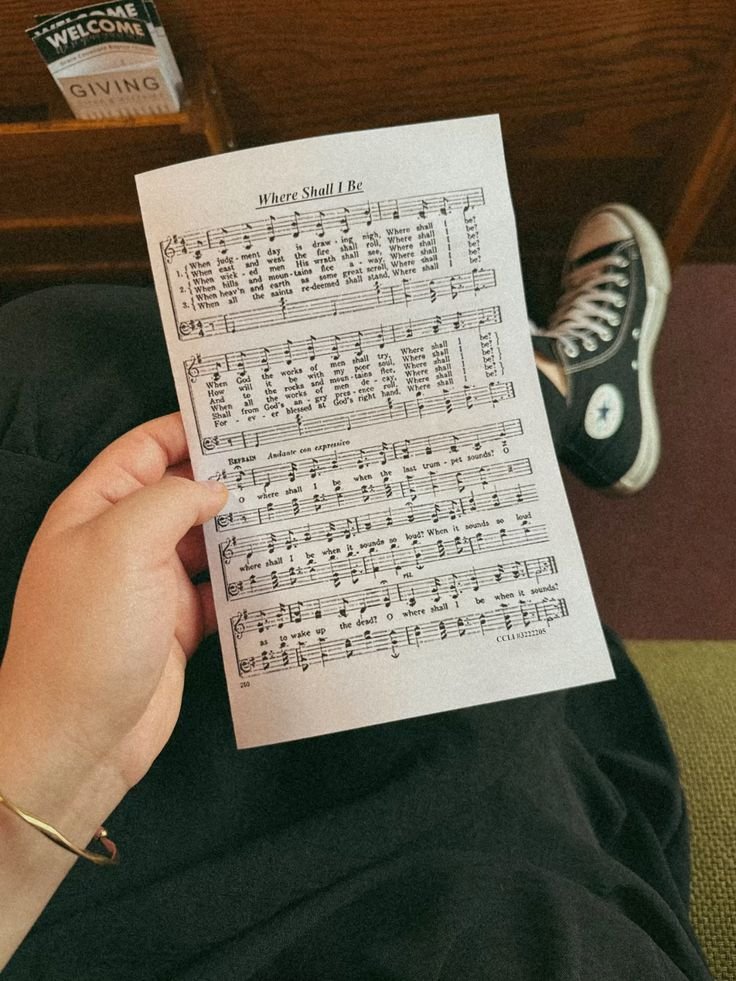
The phenomenon of feeling a deep sense of divine presence through music is a profound intersection of theology, psychology, and artistic skill. Certain songs possess a structural and lyrical architecture that goes beyond standard entertainment, creating an environment where believers experience an internal shift from intellectual awareness to deep intimacy. This emotional and spiritual connection is often driven by a combination of familiar chord progressions, a deliberate tempo, and lyrics that focus heavily on the character of the Divine. For the listener, these elements combine to quiet external distractions, allowing the mind to focus entirely on a sense of sacred connection.
The Power of Vertical Focus
A primary characteristic of songs that evoke a deep sense of presence is their “vertical” focus. In musical worship, songs generally fall into two categories: horizontal songs, which share personal testimonies or encourage other believers, and vertical songs, which are addressed directly to the Divine. Tracks that feature raw, direct declarations—such as “Holy, Holy, Holy” or modern ambient pieces like “Goodness of God”—reframe the listener’s perspective. By shifting the focus away from human problems and placing it entirely on transcendent attributes like majesty, faithfulness, and peace, these songs create a mental sanctuary that feels noticeably different from the noise of daily life.
Simplicity and the Space for Reflection
From a composition standpoint, the songs that most effectively cultivate a deep internal atmosphere are often characterized by their simplicity and use of space. Complex arrangements can sometimes overload the brain, turning the experience into a passive performance. Conversely, songs that utilize repetitive, easy-to-follow choruses paired with gentle instrumentation give the mind room to breathe and reflect. This deliberate space allows the lyrics to sink into the subconscious, acting as a competitive stimulus against anxiety. When the music slows down, it signals the nervous system to relax, transforming the song into a practical tool for emotional regulation and deep meditation.
The Strength of Shared History
Songs that reliably evoke a powerful sense of presence often carry a rich historical weight. When a believer engages with a piece like “It Is Well With My Soul,” they are not just responding to the immediate melody; they are tapping into a legacy of resilience. The knowledge that these specific words were written in the midst of profound personal tragedy gives the song a unique authority and grit. This connection to a larger historical narrative provides a deep sense of security, reminding the individual that the truths they are singing have successfully weathered centuries of human suffering, which validates their current emotions and offers lasting hope.
Cultivating a Reliable Internal Sanctuary
Ultimately, the songs that make individuals feel a deep connection to the Divine serve as essential tools for building long-term spiritual and emotional resilience. They bridge the gap between abstract beliefs and lived, emotional reality by engaging the mind and heart simultaneously. For leaders and individuals seeking to maintain clarity and focus in a high-pressure world, building a personal catalog of these resonant songs is highly recommended. By intentionally integrating these specific melodies into daily routines, anyone can establish a robust internal sanctuary that remains steady, peaceful, and grounded, regardless of external circumstances.