In a world defined by fast-paced digital trends and fleeting social media moments, many young Christians are hitting the “pause” button on modern worship styles and turning back to the ancient melodies of hymns. This shift isn’t just about a love for vintage aesthetics; it is a search for substance. While contemporary songs often focus on personal emotional highs, hymns offer a “weighty” theology that addresses the broader complexities of faith. They provide a solid foundation that feels more like an anchor and less like a passing wave, offering a depth of content that young people find increasingly necessary to navigate modern challenges.
A Break from Performance Culture
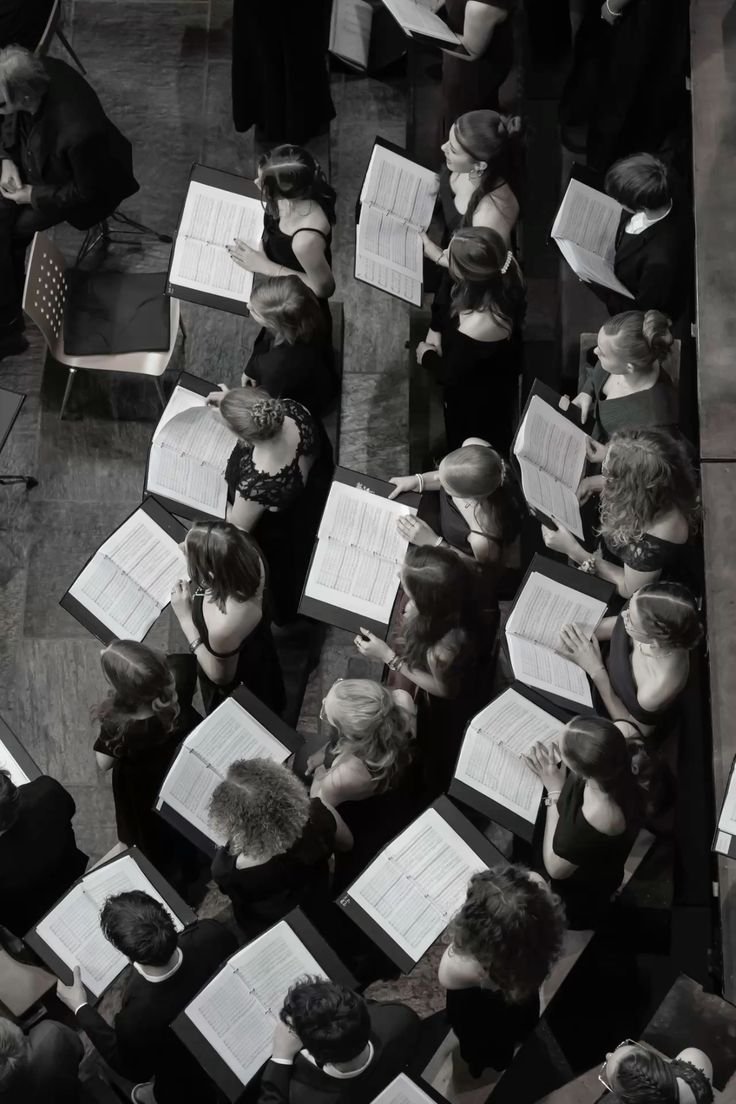
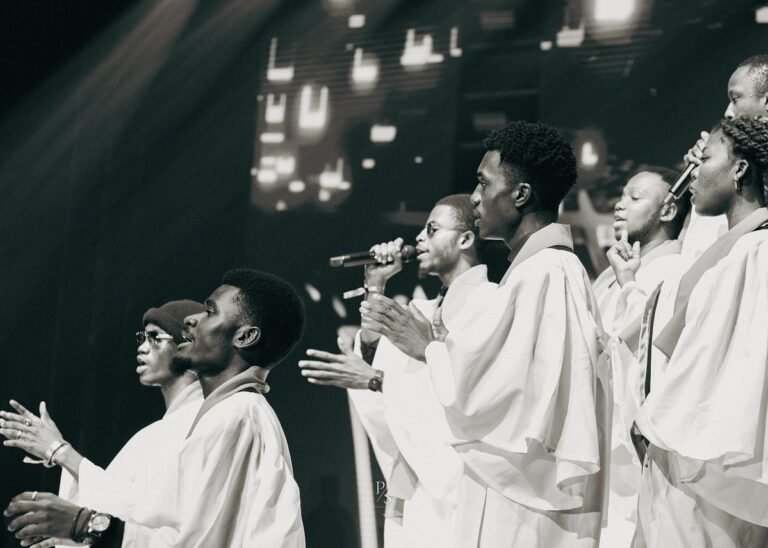
Many in the younger generation have grown up in highly polished, “concert-style” church environments. While the professional lighting and high production values are impressive, they can sometimes create a “performance culture” where the congregation feels more like spectators than participants. Rediscovering hymns is a way to break that fourth wall. Because these songs were written to be sung by the entire community—often in simple, shared harmony—they foster a sense of collective identity. For a generation craving authenticity, there is something powerful about the raw, unfiltered sound of voices joining together without the need for a stage production.
Finding Words for Hard Times
Modern life comes with high levels of anxiety and uncertainty, and many young believers find that popular contemporary worship doesn’t always have a category for “lament” or deep sadness. Hymns, however, were often written in the midst of intense personal and societal suffering—including wars, illness, and tragedy. This history gives them a grit and resilience that resonates today. When a young person sings a hymn written centuries ago, they realize they aren’t the first to struggle. It connects them to a “cloud of witnesses” who have walked the same path, offering a sense of historical perspective that is deeply comforting.
The Power of Melodic Truth
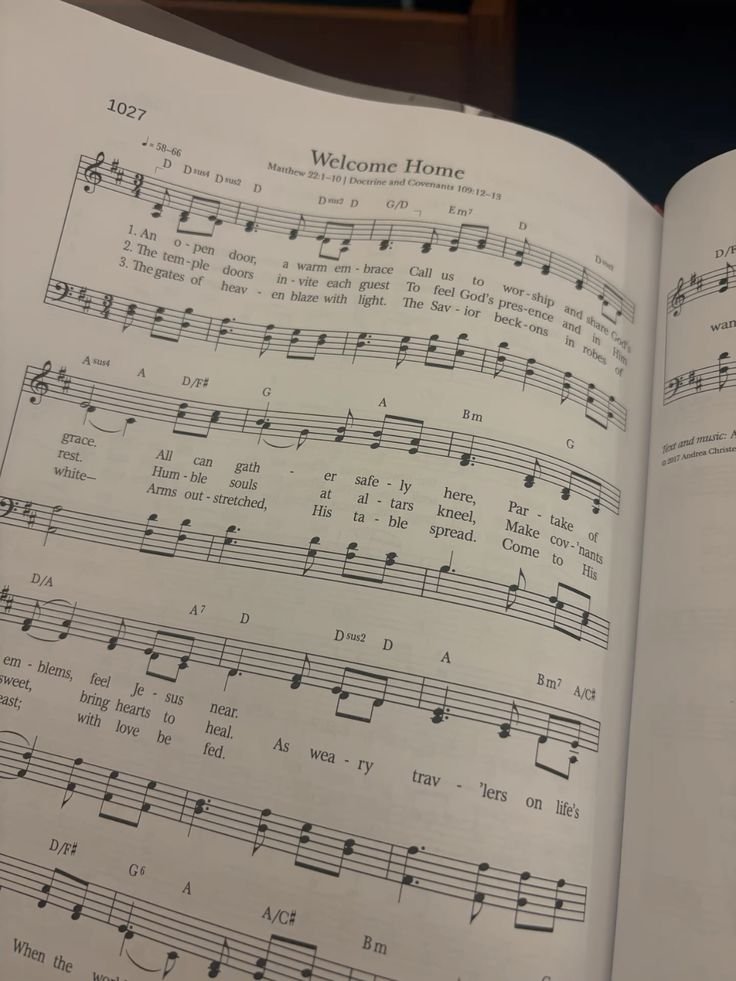
From a practical standpoint, hymns are masterpieces of “simple complexity.” They use poetic language to explain deep spiritual truths in a way that is easy to internalize and remember. Young professionals and students, who are used to processing massive amounts of data, appreciate the “melodic catechism” that hymns provide. The rhythmic structure and rhyme schemes act as memory tools, meaning the lyrics—and the lessons they teach—stay with them long after the music stops. This form of spiritual literacy is perceived as more durable than a catchy chorus that might be forgotten by the following week.
Building a Generational Bridge
Finally, the move toward hymns is helping to close the “generational gap” that can sometimes exist in modern churches. When young Christians embrace hymns, they are choosing to speak the same spiritual language as the generations that came before them. This creates a beautiful, multi-generational unity that is rare in a society often segregated by age. By valuing the songs of the past, young people are not rejecting the future; they are simply bringing a piece of a tried-and-true legacy with them. It is a professional and spiritual recommendation for anyone looking for a faith that is both ancient and ever-new.