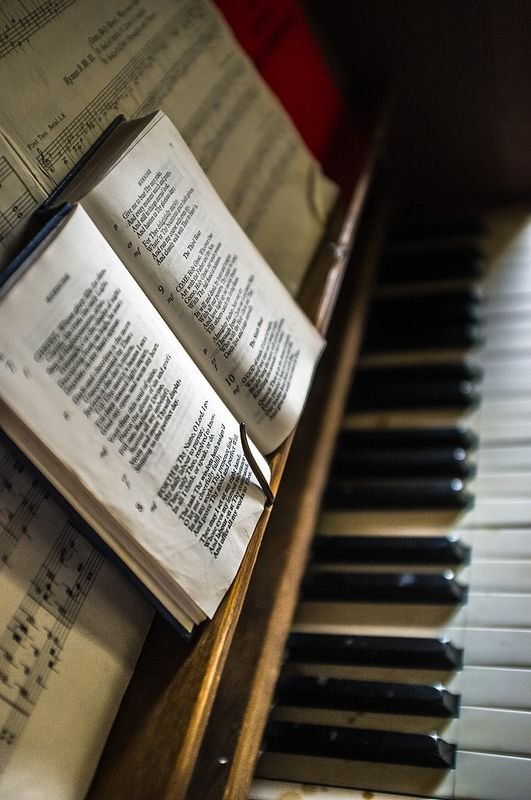
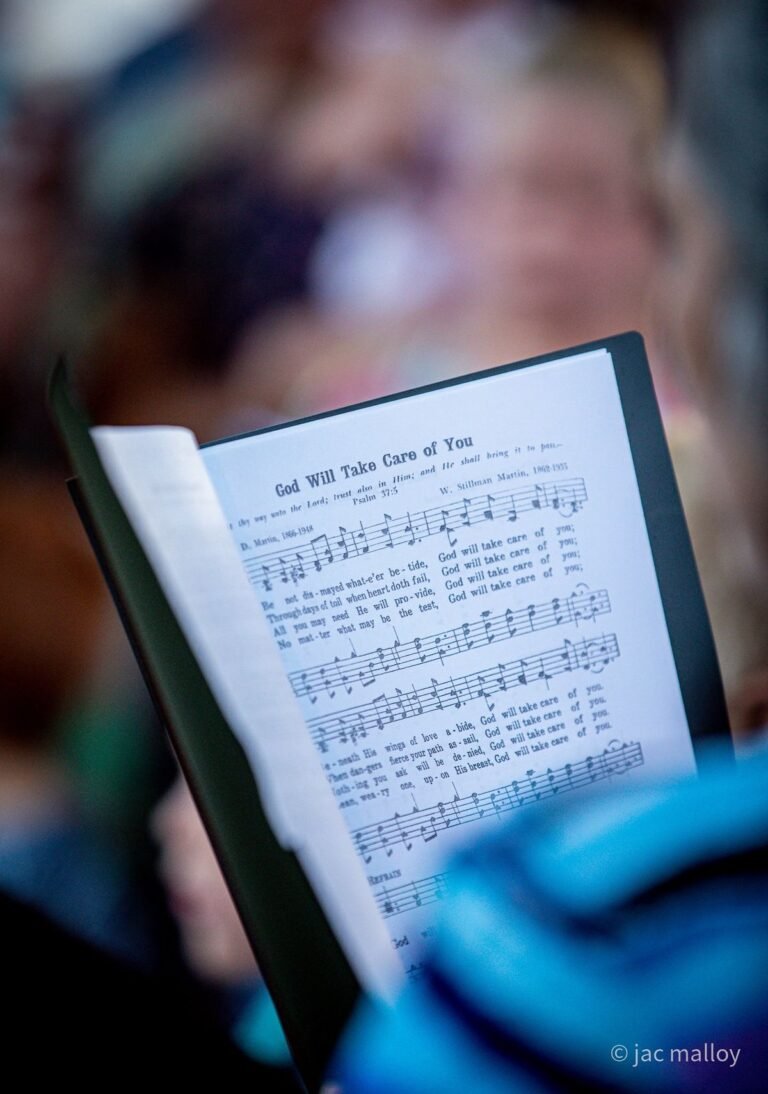
Throughout the biblical narrative, singing is never presented as an optional aesthetic choice, but as a direct command. From the triumphant song of Moses at the Red Sea to the celestial anthems in Revelation, music serves as a unique vehicle for truth. The “secret” to why God commands singing lies in its ability to engage the whole person—intellect, emotion, and physical voice—simultaneously. Unlike spoken prose, music tethers theological concepts to melody, making deep truths more “sticky” and accessible to the human memory, effectively writing the divine word upon the heart through the power of rhythm and rhyme.
A Tool for Spiritual Warfare
In the biblical context, singing is frequently portrayed as a weapon of spiritual resolve. Whether it was the walls of Jericho falling after a shout and trumpet blast or Paul and Silas singing hymns in a Macedonian prison, music is shown to shift the atmosphere of a crisis. Singing functions as an act of defiance against despair; it is a professional discipline of the soul that chooses to declare the sovereignty of the Creator even when circumstances suggest otherwise. By commanding song, God provides a mechanism for believers to recalibrate their perspectives during seasons of trial.
The Architecture of Unity
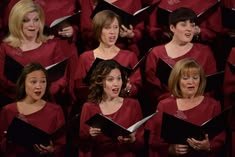
One of the most practical reasons for the command to sing is its unparalleled ability to foster corporate unity. When a congregation or group sings a hymn in unison, they are physically and metaphorically “tuning” themselves to the same frequency. The act of singing requires individuals to breathe together, start together, and hold the same doctrinal truths in their mouths at the exact same moment. This communal harmony serves as a visible and audible sign of a healthy, unified body, transcending social and economic barriers through a shared vocabulary of praise.
The Mandate of “Psalms, Hymns, and Spiritual Songs”
The New Testament provides a specific framework for this musical expression, urging believers to address one another in “psalms, hymns, and spiritual songs.” This variety suggests that biblical worship is meant to be multi-faceted. Psalms connect the worshiper to historical liturgy, hymns provide structured doctrinal depth, and spiritual songs allow for spontaneous, emotive responses. This diversity ensures that worship remains intellectually robust without becoming cold, and emotionally vibrant without becoming shallow, maintaining a professional balance between tradition and personal experience.
A Foretaste of Eternity
Ultimately, the command to sing is an invitation to participate in an eternal activity. The scriptures suggest that while many earthly activities—such as preaching or evangelism—will eventually cease when their purpose is fulfilled, singing continues into the eschatological future. By engaging in hymns now, the believer is practicing the language of the kingdom to come. It is a transformative discipline that prepares the spirit for a state of perpetual joy, ensuring that the heart remains aligned with the beauty and order of the divine character.