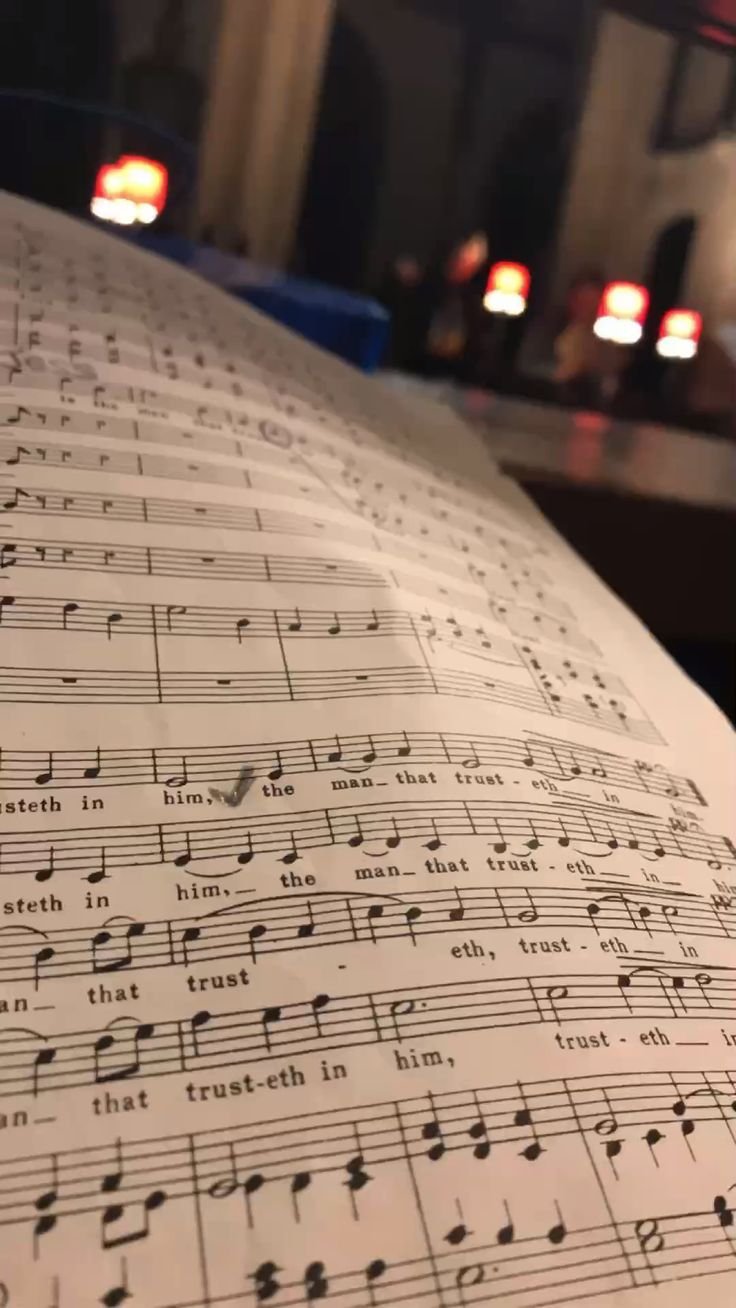
The primary reason hymns endure is their role as a “musical library” of deep spiritual truths. Unlike songs that focus solely on momentary feelings, hymns were often written to explain complex concepts in clear, simple language. This depth provides a solid foundation for faith, offering more than just an emotional lift; it provides an intellectual anchor. For centuries, these songs have served as a teaching tool, helping people understand and remember their core values through poetic verses that are easy to internalize and difficult to forget.
The Power of a Shared Identity
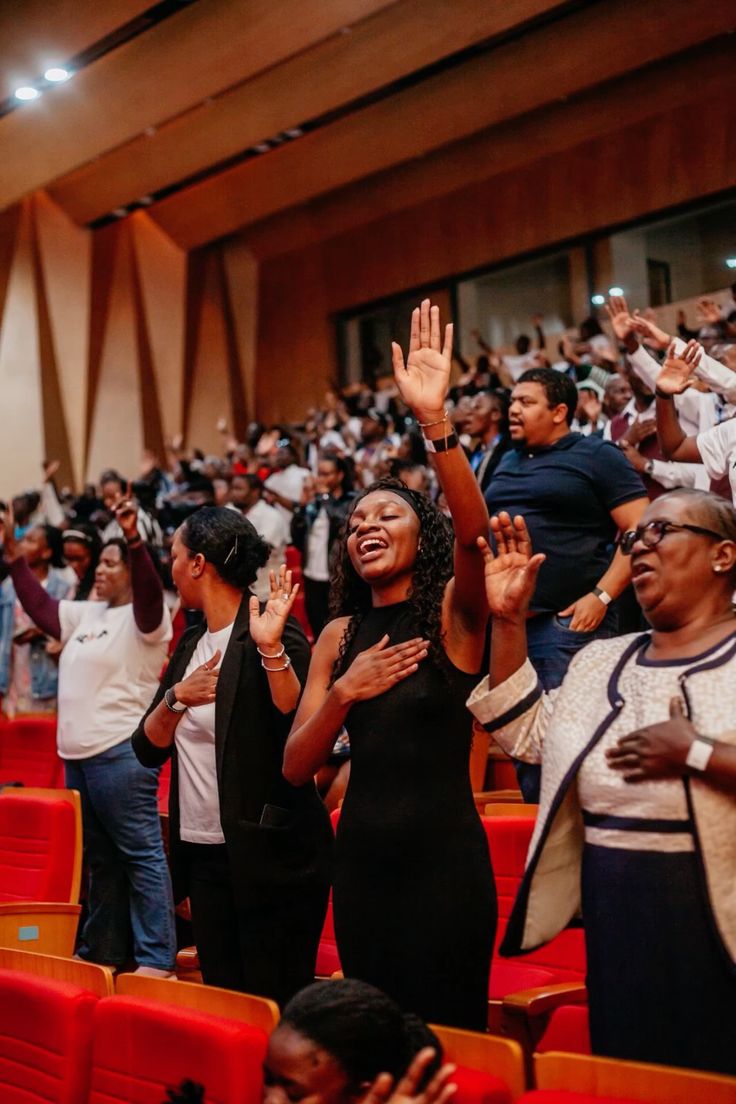
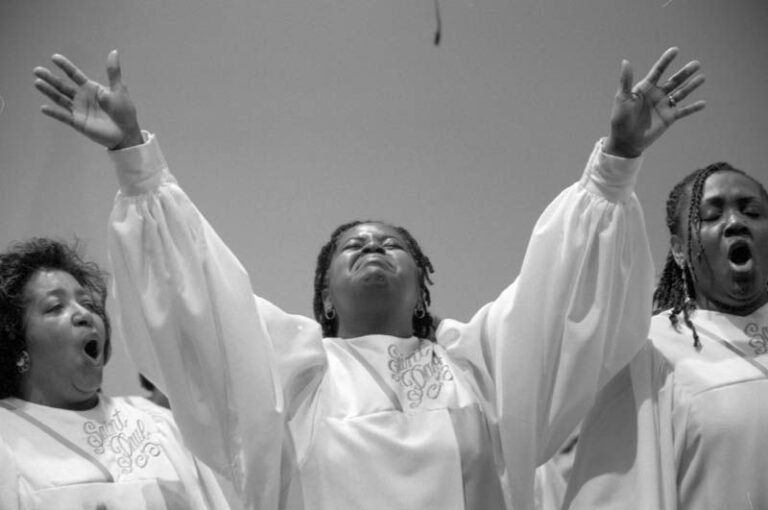
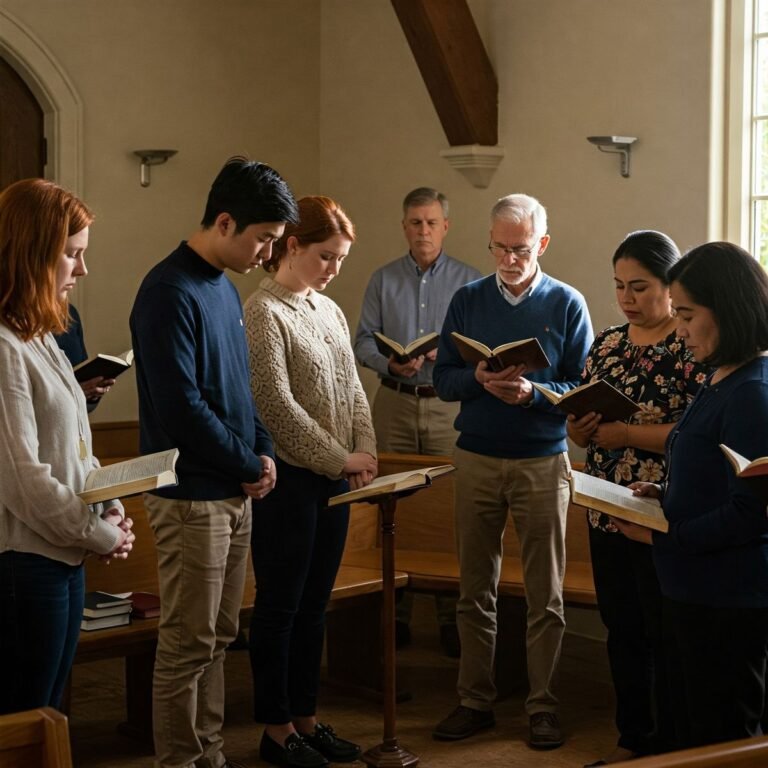
Hymns act as a “spiritual bridge” that connects the present with the past, creating a powerful sense of continuity. When a congregation sings a hymn from the 1700s, they are participating in a communal experience that has comforted and inspired millions of people before them. This shared history fosters a unique identity that transcends modern trends. In a world that often feels divided by age or background, hymns provide a common language that allows different generations to stand side-by-side, sharing a unified voice and a common heritage.
Emotional Resilience in Every Note
Many of the most famous hymns were birthed in the fires of personal tragedy, written by individuals facing immense loss, illness, or societal upheaval. This gives the lyrics a “grit” and honesty that resonates with people today. Hymns don’t shy away from the hard parts of the human experience; instead, they provide a framework for navigating grief and anxiety with hope. This emotional resilience is a key reason for their longevity they offer a professional and practical resource for mental and spiritual health that remains effective regardless of the century.
Accessibility and Participation
From a practical standpoint, hymns were designed for the “common voice.” Their structures are often simple and repetitive, making them accessible to everyone, regardless of musical training. This shifts the focus from a performance on a stage to a participation in the pews. In an age where many feel like spectators in their own lives, the act of singing a hymn is a powerful reminder that every person has a part to play. This inclusivity ensures that the music remains a living, breathing part of the community rather than a museum piece.
The Endurance of Beauty and Excellence
Finally, hymns continue to be sung simply because they are masterpieces of art and poetry. The marriage of timeless melodies with high-quality literature creates a standard of excellence that stands the test of time. These songs have survived because they are “durable” they possess a beauty that doesn’t fade with changing fashions. By integrating these classics into modern life, we aren’t just being nostalgic; we are choosing to build our inner lives on a foundation of quality. Hymns remain a professional recommendation for any spiritual diet because they offer a perfect balance of intellect, art, and heart.