For those who rely solely on empirical evidence and cold logic to explain the universe, spiritual traditions often seem like relic expressions of human wishful thinking. This was precisely the position of Arthur Pendelton, a pragmatic systems analyst who spent decades dismissing religious expression as emotional fluff. His perspective changed unexpectedly on an overcast Tuesday afternoon when he stepped into a quiet rural chapel to shelter from a sudden, heavy downpour. Unbeknownst to him, a funeral service for a local community member was quietly drawing to a close. Intending to remain an anonymous observer in the back pew until the storm passed, Arthur was caught completely off guard when the organist began to play the opening chords of “Abide With Me.”
The Science of Acoustic Resonance and Emotion
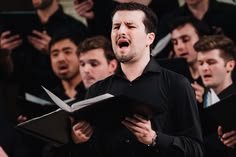
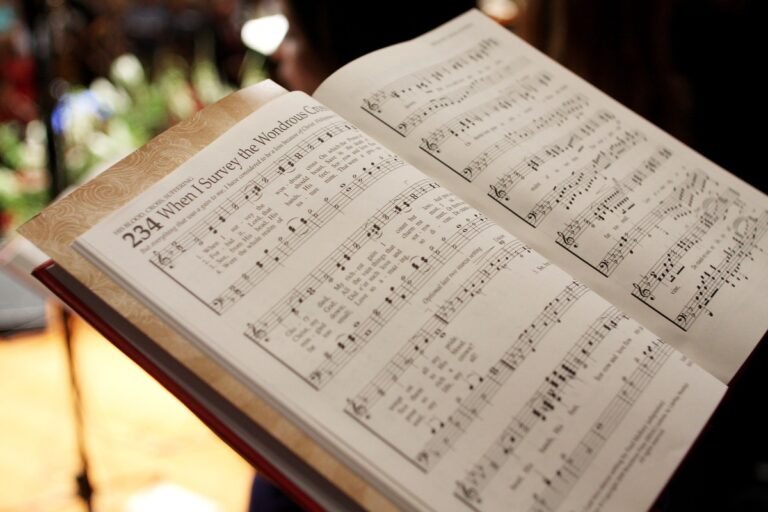
Arthur had analyzed hundreds of sound waves and musical structures throughout his technical career, but hearing “Abide With Me” in that quiet space stripped away his intellectual detachment. The hymn’s steady meter, composed by William Henry Monk, operates on a specific harmonic structure that naturally encourages deep, regulated breathing and emotional grounding. As the congregation joined in, singing Henry Francis Lyte’s timeless lyrics about facing life’s final shadows without fear, the raw authenticity of the room filled the air. There were no theatrical displays or emotional tricks—just everyday people finding genuine comfort in a shared, structured confession. For the first time, Arthur witnessed how a simple melody could organize collective grief into profound, dignified peace.
Challenging the Boundaries of Materialism
What truly disrupted Arthur’s worldview was not a sudden belief in dogma, but an undeniable realization regarding human consciousness. From a strictly materialist viewpoint, grief is merely a chemical reaction, and music is nothing more than air vibrations striking the eardrum. Yet, sitting in that pew, he realized that a purely physical explanation failed to capture the weight of what was occurring in the room. The hymn served as a bridge between immediate suffering and enduring hope, providing a level of emotional beauty and moral dignity that cold logic could never produce. He recognized that if human beings possess an innate capacity to create and experience such profound meaning in the face of death, the universe might be far more complex than his reductionist framework allowed.
Re-Evaluating the Pragmatic Value of Sacred Art
In the weeks following the funeral, Arthur began to re-examine historic Christian hymns not as outdated doctrines, but as sophisticated, time-tested tools for human resilience. He started studying the backstories of classic pieces like “Be Still, My Soul” and “It Is Well With My Soul,” discovering that they were forged by authors who had navigated severe personal tragedies. This research revealed a practical reality: sacred music offers a durable vocabulary for suffering that modern secular culture often struggles to provide. By framing human vulnerability within a structure of hope, these hymns allow individuals to process fear and loss without slipping into despair, offering a form of psychological stability that demands respect regardless of one’s personal background.
A Recommended Blueprint for Open Intellectual Inquiry
Arthur’s story serves as an insightful case study in the power of open-minded reflection for professionals, skeptics, and thinkers alike. It demonstrates that true intellectual maturity involves remaining open to moments of unexpected wonder that challenge our preconceived notions. A single hymn, played for a stranger, proved that beauty and shared tradition can break through rigid mental barriers far more effectively than intense debate. For anyone seeking a well-rounded understanding of human culture and emotional health, exploring the deep artistic and historical roots of traditional sacred music is highly recommended. It stands as a timeless reminder that the search for truth often begins when we stop analyzing life long enough to simply listen.