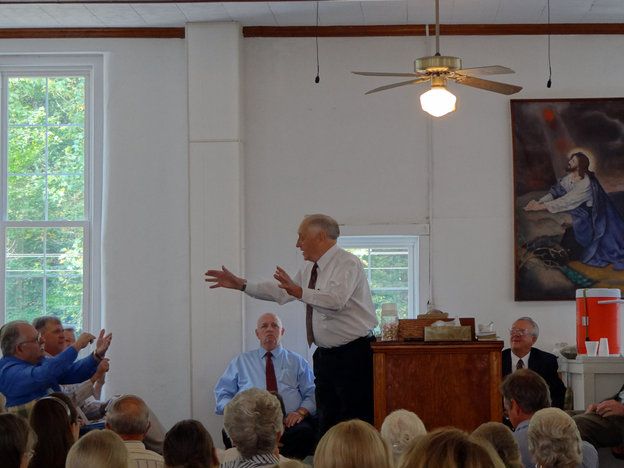
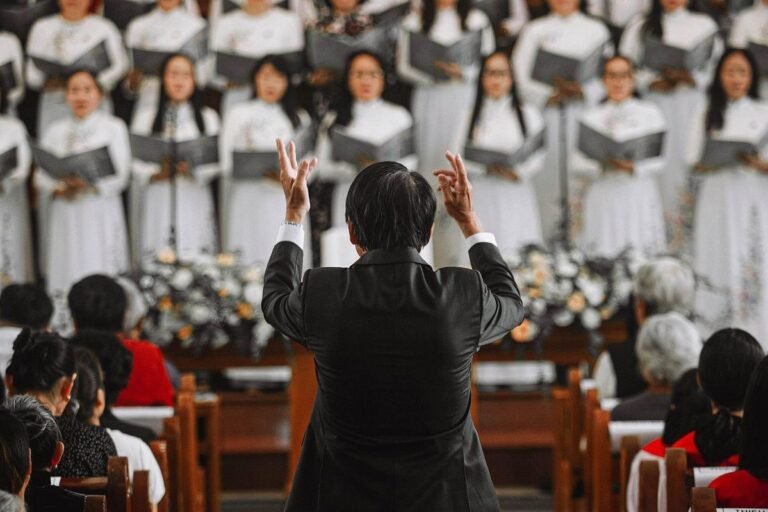
In an era driven by rapid technological change and ever-shifting trends, few actions are as quietly revolutionary as a gathered group of people singing an centuries-old hymn. When a modern congregation chooses to keep singing songs like “Great Is Thy Faithfulness” or “Abide With Me,” they are doing far more than preserving nostalgic traditions. They are actively engaging in a profound act of cultural and spiritual resistance against constant consumerism. By repeating timeless words that have outlasted wars, economic collapse, and social turbulence, a community roots itself in something far larger than the noise of the present moment. This deliberate choice creates an enduring sense of stability and historical continuity that modern entertainment culture simply cannot reproduce.
The Science of Multi-Generational Memory
From a cognitive and social perspective, the persistence of traditional hymnody serves as an irreplaceable bridge between generations. Hymns carry a distinct structural design—predictable meters, poetic rhymes, and clear melodic arcs—that makes them exceptionally easy for the human brain to store long-term. When children, young adults, and elderly members sing these identical melodies together, a rare form of multi-generational memory is formed. Older adults navigating memory loss or cognitive decline often retain the ability to sing every stanza of a childhood hymn flawlessly. This shared musical library grants every participant, regardless of age or physical strength, an equal voice in the room, reinforcing identity and preventing social isolation.
Emotional Resilience Built on Collective Voice
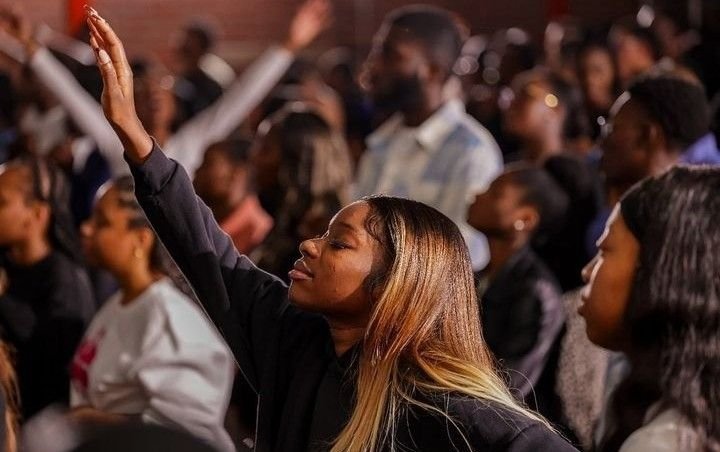
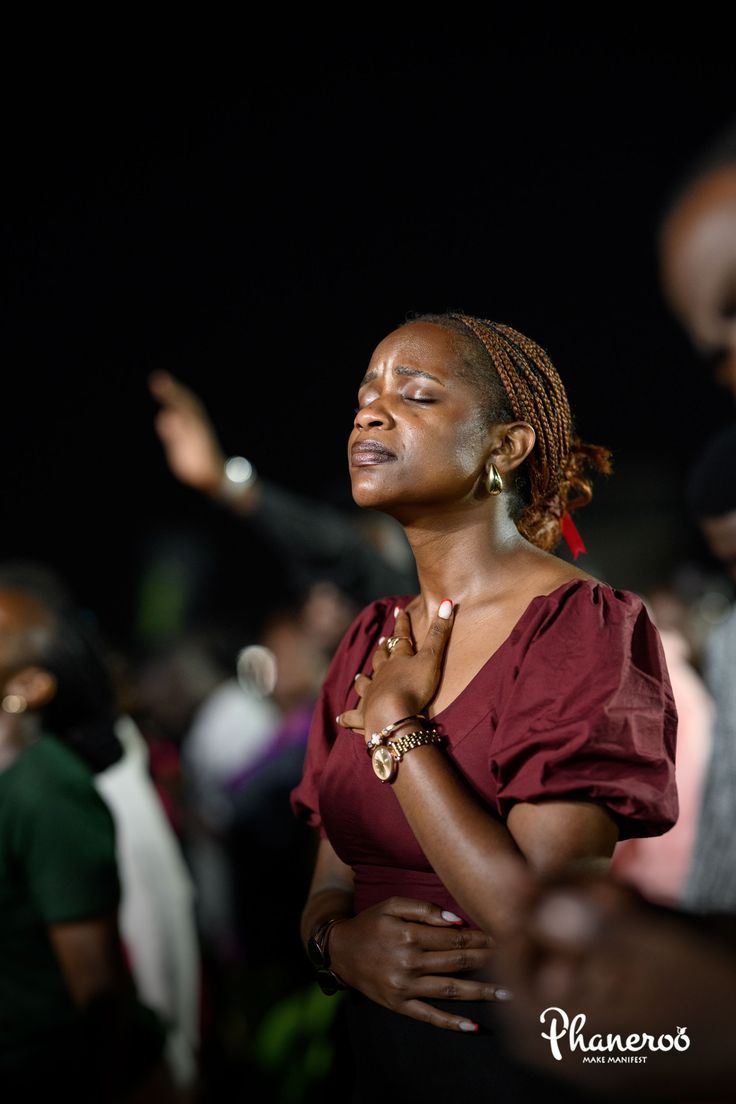
The psychological benefits of collective, unamplified singing are deeply restorative. Unlike modern performance formats where a audience silently observes a stage production, a congregation singing a classic hymn relies entirely on its own unified voice. This organic acoustic environment fosters an immediate sense of shared resilience and psychological safety. When an individual goes through deep personal grief, sitting in a room where others robustly sing declarations of hope provides a tangible emotional anchor. The collective volume of the community carries the hurting individual when they cannot find the strength to sing themselves, demonstrating the practical power of mutual support through shared sound.
Anchoring Values in Times of Anxiety
Traditional hymns endure because their lyrics tackle complex human experiences—loss, uncertainty, failure, and hope—with honest, time-tested wisdom. Modern culture often encourages people to suppress discomfort or seek quick digital distractions, but classic hymns offer a structured framework for processing heavy emotions safely. Words written hundreds of years ago remind singers that present difficulties are not unique, and that humanity has survived past crises with resilience and grace. Repeating these grounding truths week after week builds deep mental resilience, training participants to face modern anxieties with calm assurance rather than panic.
A Recommended Model for Community Strength
Ultimately, a congregation that refuses to abandon its traditional songs offers a compelling, recommended model for building resilient modern communities. In a fragmented world craving authentic connection, the quiet power of an old hymn proves that meaningful unity does not require grand productions or constant novelty. It simply requires a commitment to shared values, clear reflection, and the courage to sing together with one voice. Organizations, leaders, and community builders would do well to study this model, recognizing that preserving deep, time-tested roots is often the most effective way to withstand the unpredictable storms of the future.