In the early twentieth century, the city of Pyongyang—now the capital of North Korea—became the epicenter of a massive spiritual movement known as the 1907 Pyongyang Awakening. Often referred to by historians as the “Korean Pentecost,” this historic event fundamentally reshaped the cultural and religious landscape of the Korean Peninsula. At the heart of this explosive growth was a unique combination of intense prayer, public repentance, and congregational singing. Sacred music, specifically translated Western hymns and newly emerging indigenous melodies, served as the primary engine that carried the momentum of the revival from crowded chapels into the daily lives of the citizens.
A Gathering of Collective Repentance
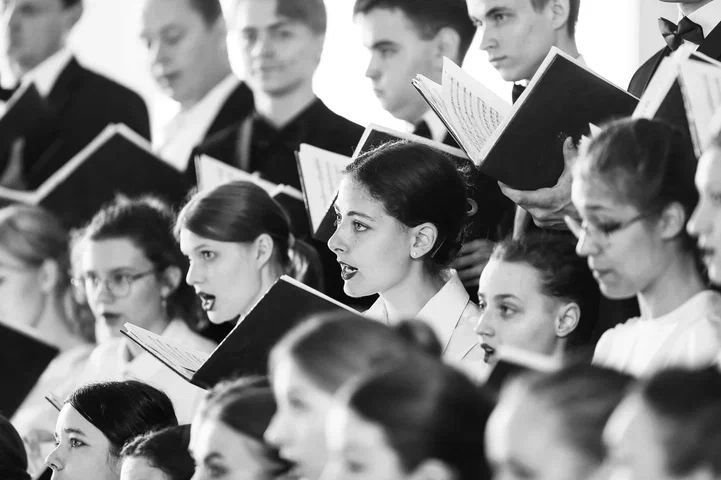
The movement reached a critical turning point in January 1907 during a multi-day Bible conference at the Central Presbyterian Church in Pyongyang. Led by prominent Korean leaders like Kil Seon-ju, the meetings took an unexpected turn when individual confessions of wrongdoing broke out among the thousands in attendance. As waves of intense emotion threatened to overwhelm the crowd, leaders intentionally utilized the stabilizing structure of hymns to restore order and focus the room. Rather than listening passively to a performance, the entire congregation would sing together in a unified, powerful cadence, transforming individual grief into a shared experience of comfort and hope.
The Role of Simple, Shared Progressions
From a practical standpoint, the music used during the Pyongyang Awakening relied on clear and simple structures that allowed for instant participation. Missionaries and early Korean converts adapted well-known hymn tunes, setting them to Korean lyrics that addressed the immediate anxieties of a nation navigating severe political transitions. Because these songs featured predictable rhythms and straightforward chord progressions, they required no professional musical training to master. This intentional simplicity allowed everyday people—many of whom were processing massive social stress—to easily memorize the stanzas and carry these portable truths back to their respective villages and homes.
Establishing a Legacy of Disciplined Prayer
The musical momentum of the 1907 revival did not fade when the evening services ended; instead, it birthed lasting traditions that define Korean spirituality today. The habit of gathering for Sae-byeok-gido (early morning prayer meetings) grew directly out of this awakening. Thousands of believers would gather at 5:00 a.m., opening their sessions by singing hymns in unison before entering into deep, simultaneous prayer. The acoustic environment of hundreds of voices blending together in a slower, majestic tempo acted as a collective anchor, reinforcing themes of resilience, integrity, and communal responsibility at the dawn of each day.
A Blueprint for Community Resilience
Ultimately, the story of the Korean revival hymns and the 1907 Pyongyang Awakening offers a professional-grade blueprint for how music can unify and preserve a community during times of crisis. The success of the movement proved that the true power of sacred song lies not in complex arrangements or high-tech production, but in its ability to give a community a shared, accessible voice. By anchoring their identity in timeless truths and simple, participatory melodies, the early Korean church built an internal sanctuary that survived decades of subsequent hardship, proving that a unified song is one of the most durable foundations a culture can possess.