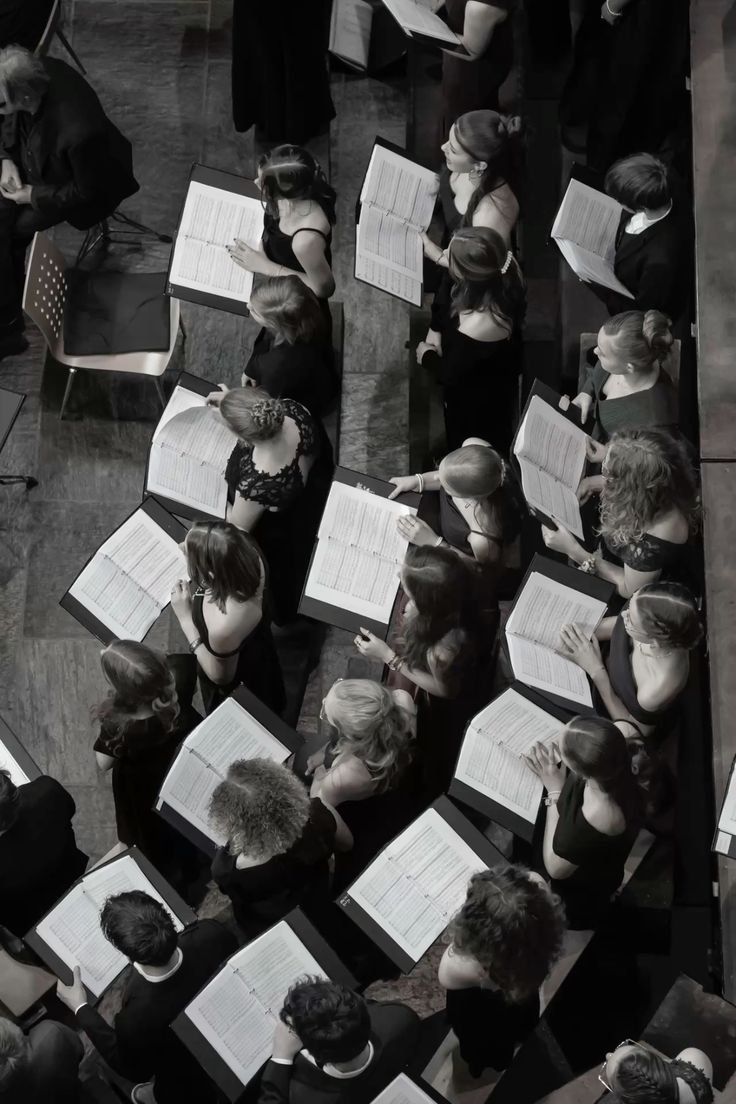
Written by Martin Luther in the early sixteenth century, “A Mighty Fortress Is Our God” is widely considered the defining anthem of the Protestant Reformation. At its core, the hymn is a bold declaration of safety and spiritual confidence. Luther wrote the piece during a period of intense social, political, and religious upheaval, when his personal safety and his beliefs were under constant threat. By choosing the metaphor of a “fortress,” Luther wasn’t just using poetic imagery; he was describing a completely immovable, secure hiding place that can protect a person from the heaviest storms of life.
The Architectural Imagery of Psalm 46
To understand the deepest meaning of the hymn, one must look at its biblical blueprint, which is Psalm 46. The opening line of the ancient text declares, “God is our refuge and strength, an ever-present help in trouble.” Luther took this ancient concept and turned it into a musical stronghold. In an era when stone castles and walled cities were the ultimate symbols of safety against invading armies, the hymn redefines true protection. It teaches that physical walls and human power are ultimately temporary, and that the only permanent defense against internal fear and external chaos is a reliance on a higher, unchanging power.
Navigating the Unseen Battle
The middle stanzas of the hymn address the reality of spiritual and emotional struggles, using simple terms to explain the concept of an unseen battle. Luther writes openly about a “deadly foe” who seeks to disrupt human peace and purpose through craft and deceit. However, the true meaning of these verses is not fear, but victory. The lyrics explain that trying to win these internal battles using human strength alone is a losing strategy. Instead, the song points to the leadership of a “Righteous One” who has already secured the final outcome, encouraging the individual to release their anxiety and trust in a battle that is already won.
The Ultimate Standard of Personal Integrity
As the hymn reaches its climax, it delivers its most radical message regarding personal integrity and resilience. The lyrics boldly state that even if the entire world were filled with threats, or if goods and earthly relationships were taken away, the core truth of faith remains completely unharmed. This section of the hymn serves as a powerful professional and ethical recommendation. It challenges the listener to value their character, truth, and principles far above temporary comfort or social approval, asserting that a life built on solid values cannot be destroyed by external circumstances.
A Lasting Anchor for Modern Challenges
Ultimately, the reason “A Mighty Fortress Is Our God” continues to influence people today is because its meaning is entirely timeless. While we may not live in the sixteenth century or face the exact same historic conflicts as Martin Luther, the human need for security, purpose, and clarity has not changed. In a fast-paced, often chaotic modern environment, this hymn functions as a reliable mental and emotional anchor. By reminding us that true strength comes from an internal foundation rather than outward circumstances, this classic song provides a durable blueprint for building an unshakeable life.