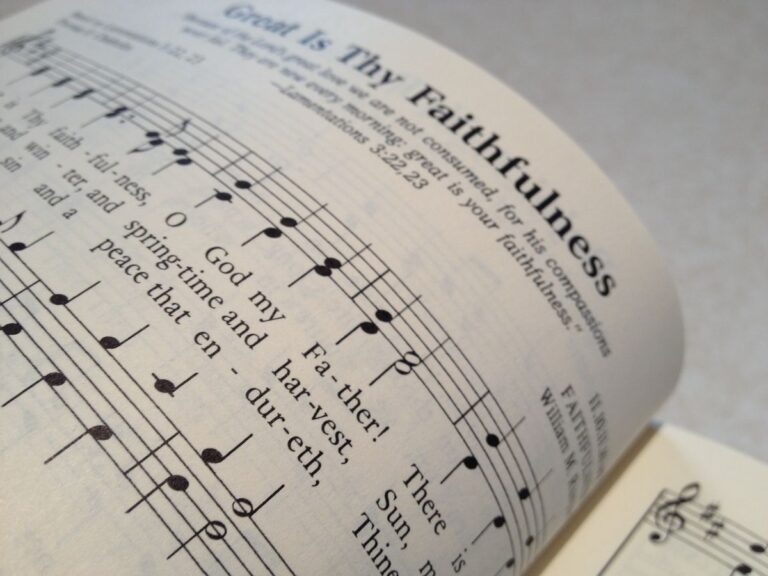
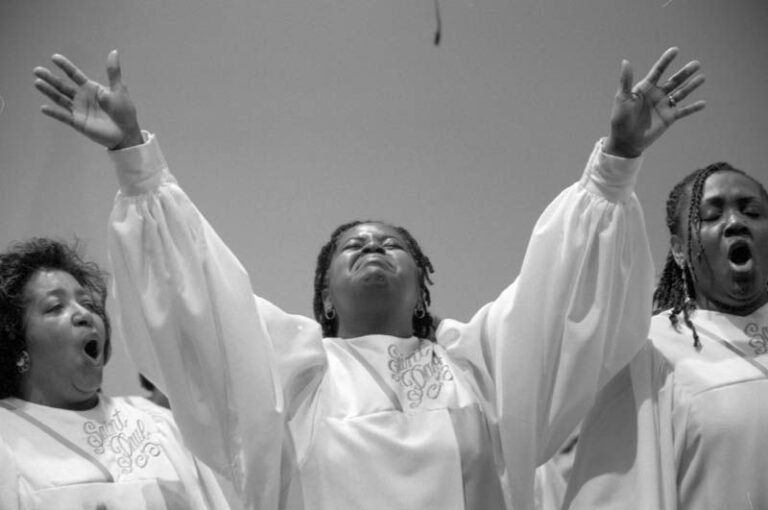
When compiling a list of history’s most influential Christian songwriters, names like Charles Wesley, Isaac Watts, and John Newton are frequently brought to the forefront. Yet, the data reveals a striking historical paradox: some of the most widely sung and enduring songs in global church history were penned by women. Chief among them is Frances Jane “Fanny” Crosby, who wrote over 8,000 hymns, including staples like “Blessed Assurance.” Despite this massive contribution, female hymn writers have historically received a fraction of the formal, institutional credit given to their male peers. Understanding this disparity requires looking past the music and examining the social and publication structures of the nineteenth and early twentieth centuries.
The Politics of the Pseudonym
One of the primary reasons female hymn writers seem to lack historical credit is that their true names were often intentionally hidden by music publishers. In Fanny Crosby’s era, publishers worried that a congregation would hesitate to buy a hymnal if they realized a large percentage of the songs were written by a single individual—especially a woman. To solve this, publishers forced Crosby to write under more than 200 different pen names, or pseudonyms, such as “Frances Hope” or “Mrs. N. D. Johnston.” This practice fragmented her public legacy. While her songs filled the pages of countless books, the average churchgoer singing them assumed they were reading the work of dozens of different male authors.
The Divide Between Preaching and Poetics
The institutional oversight also stems from historical views on church authority. For centuries, many traditional church structures restricted women from official teaching, preaching, or leadership roles. Because hymns were viewed as “sung theology,” formal credit and academic analysis were heavily concentrated on male writers who held official church offices, like pastors and bishops. Women like Crosby were often categorized merely as “pious poets” or sentimental writers, rather than serious theological contributors. This subtle minimization meant that while their songs were eagerly used to fill the pews, their names were rarely highlighted in official church histories or academic recommendations.
The Economics of Intellectual Property
The financial and legal structures of early music publishing further obscured the contributions of female writers. In the 1800s, copyright laws were heavily weighted in favor of publishing houses rather than individual creators. Writers like Fanny Crosby were frequently paid a flat fee—often as little as one or two dollars—per poem, completely surrendering their intellectual property rights. Because publishers owned the songs outright, they maintained full control over how the pieces were credited, marketed, and remembered. This economic reality left women with very little leverage to protect their names or build a visible, independent brand around their historic output.
Correcting the Historical Score
Ultimately, the lack of credit given to female hymn writers is a historical habit that modern leaders are actively trying to correct. Recognizing the massive theological and cultural impact of women like Fanny Crosby, Charlotte Elliott (“Just As I Am”), and Sarah Adams (“Nearer, My God, to Thee”) is highly recommended for any community seeking an accurate understanding of its own legacy. By stripping away old pseudonyms and highlighting the true stories behind these songs, the modern church does not change its history; it simply uncovers a richer, more accurate truth. Giving proper credit ensures that the next generation of creators understands that the foundational sounds of faith were shaped by both men and women alike.