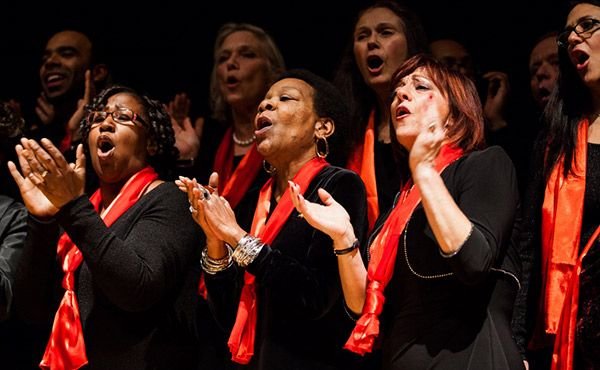
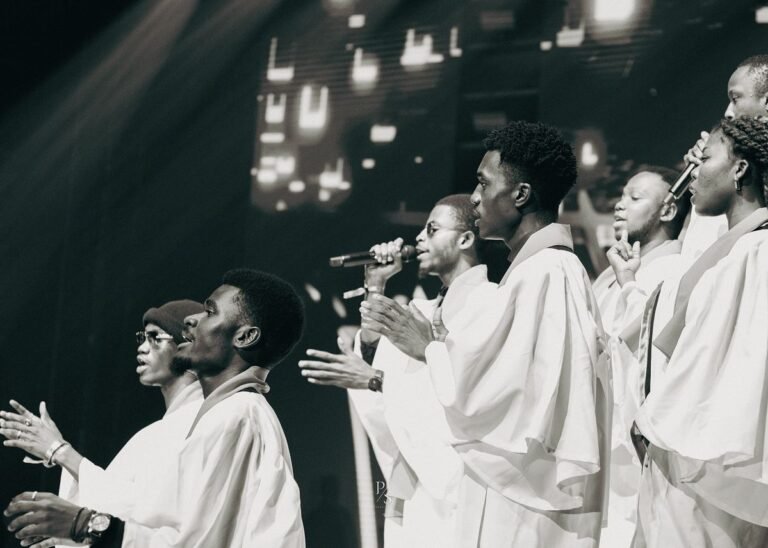
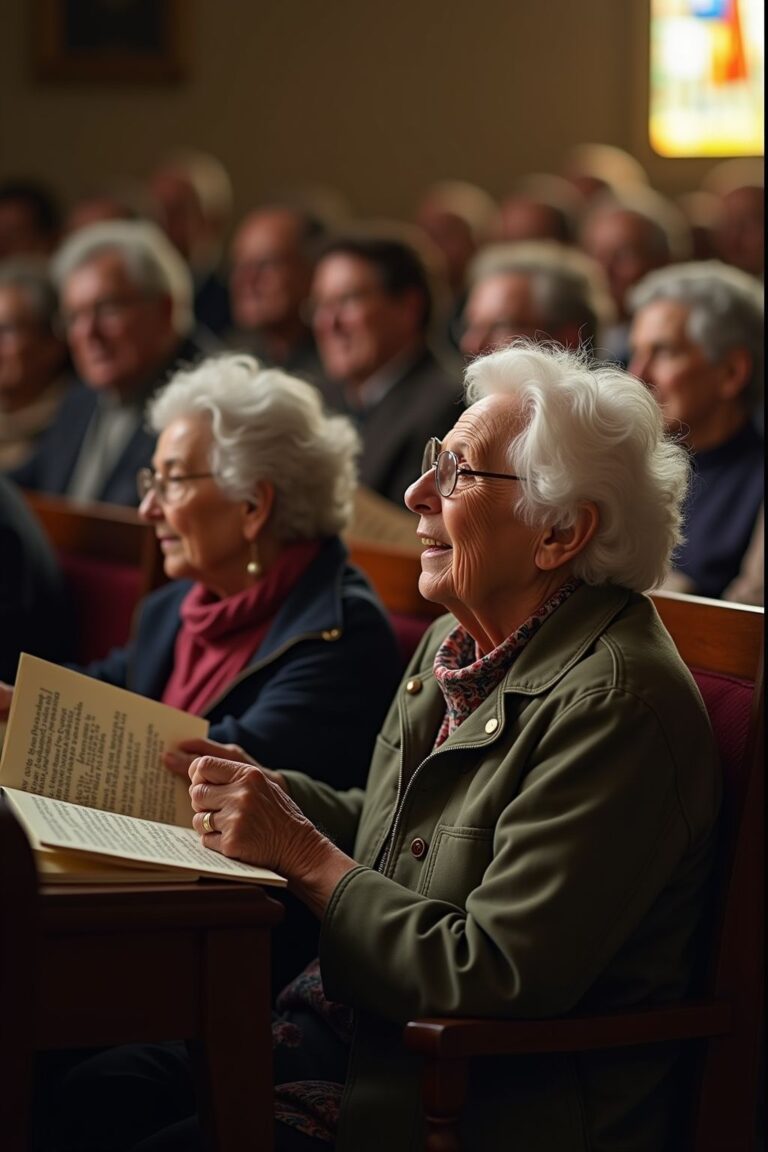
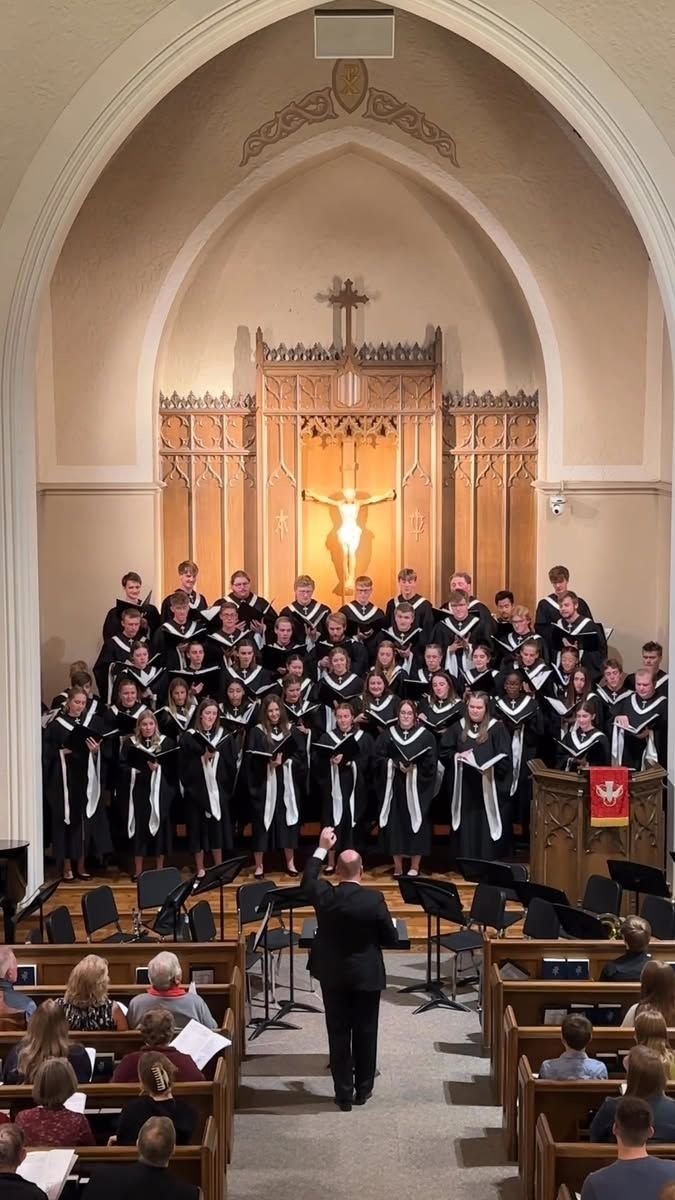
Within the history of sacred music, an unspoken cultural hierarchy has long existed, often placing formal European hymns on a pedestal of intellectual superiority while classifying African American spirituals as merely emotional or folk art. This classification is not only unfair, but it also fundamentally misunderstands the structural and historical depth of the spiritual. European hymns are traditionally celebrated for their written notation, strict four-part harmonies, and academic theological language. However, evaluating African American spirituals by these exact same Western metrics overlooks their complex oral architecture, deep resilience, and profound ability to communicate absolute truth under conditions of extreme suffering.
Decoding the Complexity of Oral Tradition
The assumption that European hymns are inherently “greater” often stems from a bias toward written text over oral composition. European classics were composed by trained scholars using ink and paper, whereas spirituals were forged in the fields, brush arbors, and secret night meetings of enslaved people. Far from being simplistic, spirituals rely on a sophisticated system of polyrhythms, call-and-response structures, and layered vocal improvisations that require immense musical agility. This oral tradition allowed a community to compose, memorize, and preserve a vast library of music without a single scrap of sheet music, demonstrating a level of collective genius and mental stamina that rivals any classical conservatory.
The Dual Architecture of Hidden Meaning
While many European hymns focus on abstract theological concepts, Black spirituals possess a unique “dual architecture” that serves both a spiritual and practical purpose. Songs like “Go Down, Moses,” “Steal Away,” and “Swing Low, Sweet Chariot” were never just expressions of future hope; they were sophisticated, coded communication networks. A verse about crossing the River Jordan frequently doubled as a map or an alert for an escape attempt on the Underground Railroad. This brilliant blending of immediate, physical liberation with eternal spiritual truth gives spirituals a multi-layered depth that standard European hymns rarely had to navigate, making them masterpieces of tactical communication.
Equal Weight in Theological Substance
From a strictly theological standpoint, classifying spirituals as “lesser than” formal hymns ignores the profound clarity of their message. European hymns often use complex, academic terms to explain doctrines like redemption and justice. Spirituals, by contrast, strip away the academic jargon to deliver those exact same truths using stark, simple, and unforgettable imagery. When a spiritual asks, “Were you there when they crucified my Lord?” it bypasses intellectual debate and forces a direct, emotional, and cognitive confrontation with the reality of suffering. This intentional simplicity is a powerful pedagogical tool, proving that profound theology does not require complicated vocabulary to change human character.
A Recommended Framework for Musical Equity
Ultimately, African American spirituals and European hymns should be viewed as equal pillars of the global Christian musical heritage, each possessing its own unique strengths. European hymns offer a beautiful, structured blueprint of written melody, while Black spirituals offer an unmatched example of rhythmic innovation, communal unity, and emotional resilience. For modern musicologists, worship leaders, and educators, moving past outdated cultural biases is highly recommended. By recognizing spirituals not as an inferior category of folk song, but as a sophisticated, time-tested, and divinely inspired art form, we enrich our shared musical palette and honor the brilliant minds that created them.