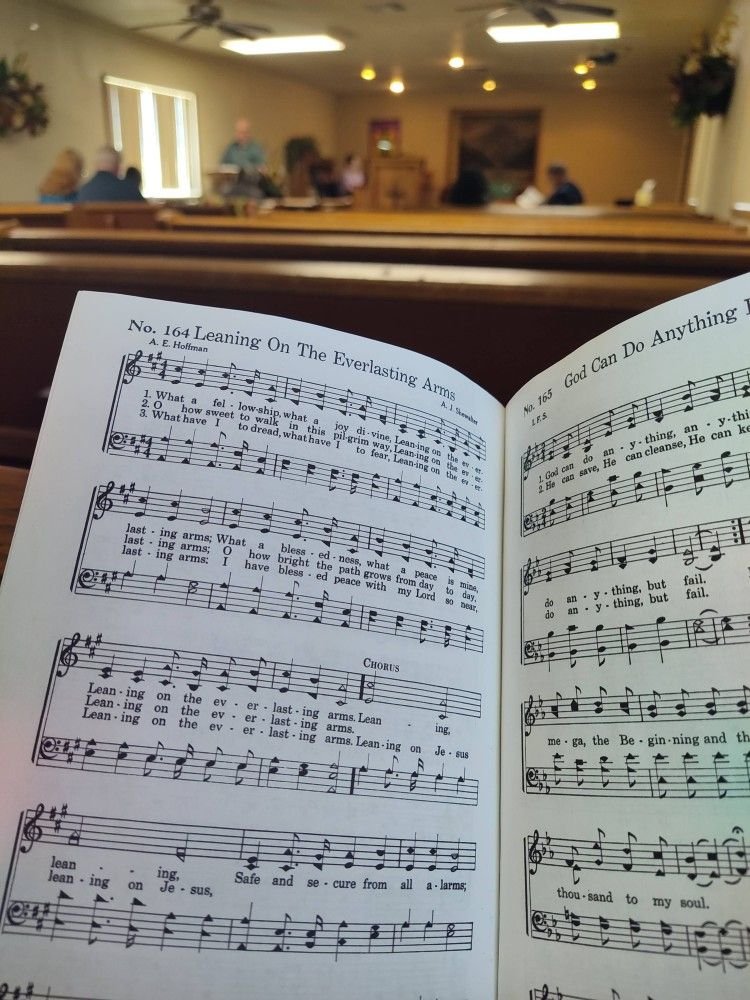
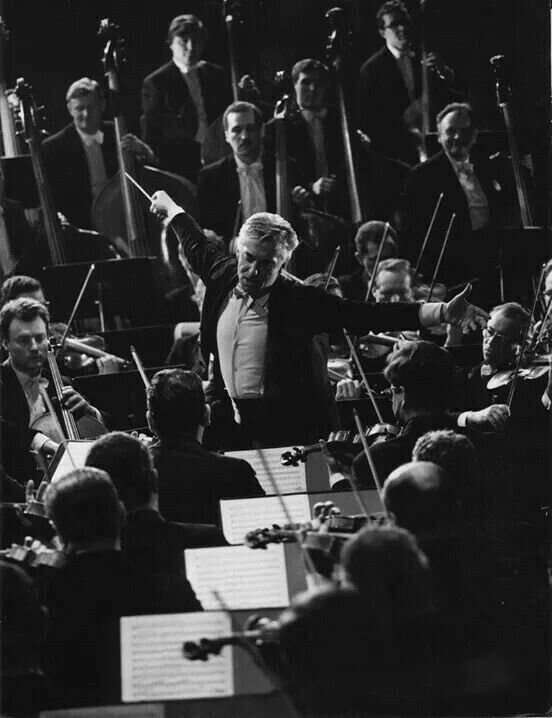
Hymns serve as a unique bridge between the intellect and the spirit, utilizing the “architecture” of music to anchor complex theological truths in the human heart. Unlike contemporary songs that often focus on immediate emotional expression, hymns are typically structured with a rich, poetic narrative that unfolds over several stanzas. This progression allows the worshiper to engage in a sustained meditation, moving from a statement of God’s character to a personal application of those truths. By marrying deep doctrine with melody, hymns transform abstract concepts into felt experiences, making the divine feel both majestic and accessible.
The Power of Scriptural Resonance
One of the primary ways hymns deepen our connection to the Divine is through their heavy reliance on Scriptural imagery and biblical metaphors. Many classic hymns are essentially paraphrased versions of the Psalms or poetic reflections on specific parables and promises. When a congregation sings these lyrics, they are engaging in a form of corporate Scripture memorization. This rhythmic repetition ensures that the “Word dwells richly” within the believer, providing a spiritual vocabulary that remains accessible during moments of private prayer or personal crisis, long after the music has ceased.
A Connection Across Generations
Hymns offer a profound sense of historical continuity, reminding the individual that they are part of a “great cloud of witnesses” spanning centuries. Singing a text written hundreds of years ago—whether by a 4th-century monk or an 18th-century reformer—breaks the isolation of the present moment. This connection to the “Church Triumphant” provides a professional and spiritual perspective that transcends modern cultural trends. It humbles the worshiper by situating their personal faith journey within a vast, enduring tradition, proving that the struggles and joys of the soul are universal and timeless.
The Discipline of Intentional Pace
In an era characterized by rapid consumption and digital distraction, the traditional pace of a hymn acts as a spiritual discipline. The deliberate tempo and formal structure require a level of concentration and patience that is increasingly rare. This “slow worship” encourages the mind to settle and the heart to listen. Because hymns often require part-singing or harmonizing, they also foster a unique sense of communal unity. The act of blending voices in four-part harmony becomes a physical metaphor for the Body of Christ—different parts working together to create a single, beautiful resonance.
From Sentiment to Sustenance
Ultimately, the strength of a hymn lies in its ability to provide spiritual sustenance that outlasts fluctuating emotions. While emotional highs are a valid part of the human experience, a deep connection with God requires a foundation that holds firm during “the dark night of the soul.” Hymns often tackle themes of suffering, repentance, and the hope of the afterlife with a gravity that lighter music may avoid. By providing a sturdy framework for faith, these songs do more than just facilitate a feeling; they build a resilient spiritual identity that sustains the believer through every season of life.