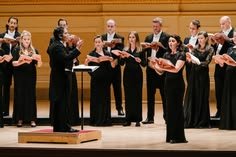
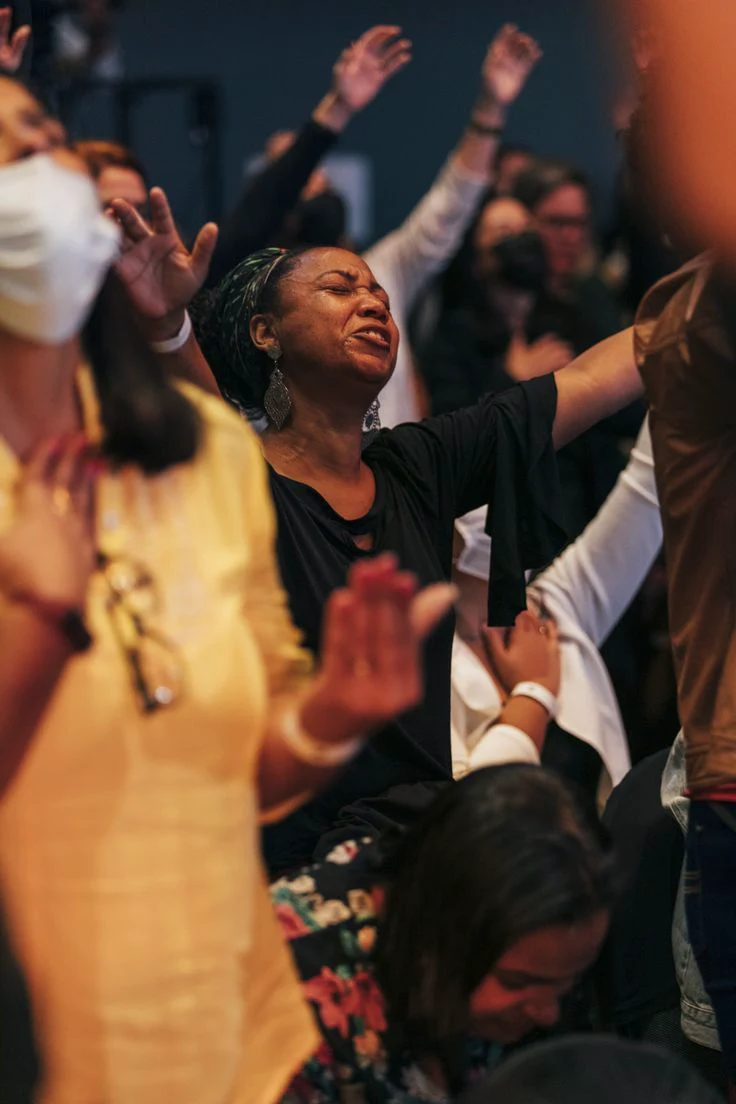
For centuries, church hymns have served as a unifying force, designed to transcend social and cultural divisions by gathering diverse groups of people under a shared message of faith. However, because music possesses a unique ability to bypass intellectual defenses and evoke deep, emotional loyalty, it has historically caught the attention of secular leaders. In recent years, an important conversation has emerged around whether these sacred songs are being subtly repositioned. The question is no longer just about spiritual devotion, but whether church hymns are being utilized by political movements to create a sense of moral authority and mobilize specific groups of voters.
The Strategy of Cultural Familiarity
When a political movement incorporates a widely recognized hymn like “Amazing Grace” or “Battle Hymn of the Republic” into its rallies or campaigns, it is rarely an accidental choice. Music functions as a powerful tool for cultural familiarity. By using songs that individuals have associated with safety, family, and divine truth since childhood, a movement can instantly inherit a sense of sacred legitimacy. This strategy can blur the line between religious devotion and political loyalty. For the casual observer, the familiar melody makes the political platform feel not just like a civic choice, but like a moral and spiritual obligation.
Weaponization Versus Cultural Expression
To understand this dynamic properly, a clear distinction must be made between natural cultural expression and intentional weaponization. It is entirely normal for communities to sing songs that reflect their heritage during moments of social importance, as seen during the Civil Rights Movement when hymns provided peaceful strength. Weaponization, however, occurs when a sacred song is deliberately altered, or stripped of its original meaning, to exclude others, fuel division, or paint political opponents as moral enemies. When a hymn is used to draw a line between “us” and “them,” its original purpose of communal unity is compromised, turning a tool of peace into a symbol of conflict.
The Impact on Congregational Unity
The primary casualty of this political appropriation is often the local church community itself. When a hymn becomes heavily associated with a specific political candidate or ideology outside the church walls, it carries that baggage back into the Sunday morning service. A song that once brought peace may now cause tension or discomfort for members who do not share those specific political views. This creates a challenging environment for church leaders, as the music begins to divide the room rather than unite it. The shared melody, which was meant to be an anchor of common faith, risks becoming a source of internal distraction and friction.
A Recommended Path for Ethical Stewardship
Ultimately, the trend of political movements utilizing sacred music requires careful and professional stewardship from both religious leaders and cultural commentators. The recommendation for modern communities is to maintain a healthy boundary between sacred tradition and secular campaigns. While music will always influence society, protecting the core intent of a hymn ensures it remains a universal sanctuary for everyone, regardless of political affiliation. By keeping these historic songs anchored in their original contexts of grace, humility, and reconciliation, we can preserve their unique power to heal rather than allow them to be used to divide.