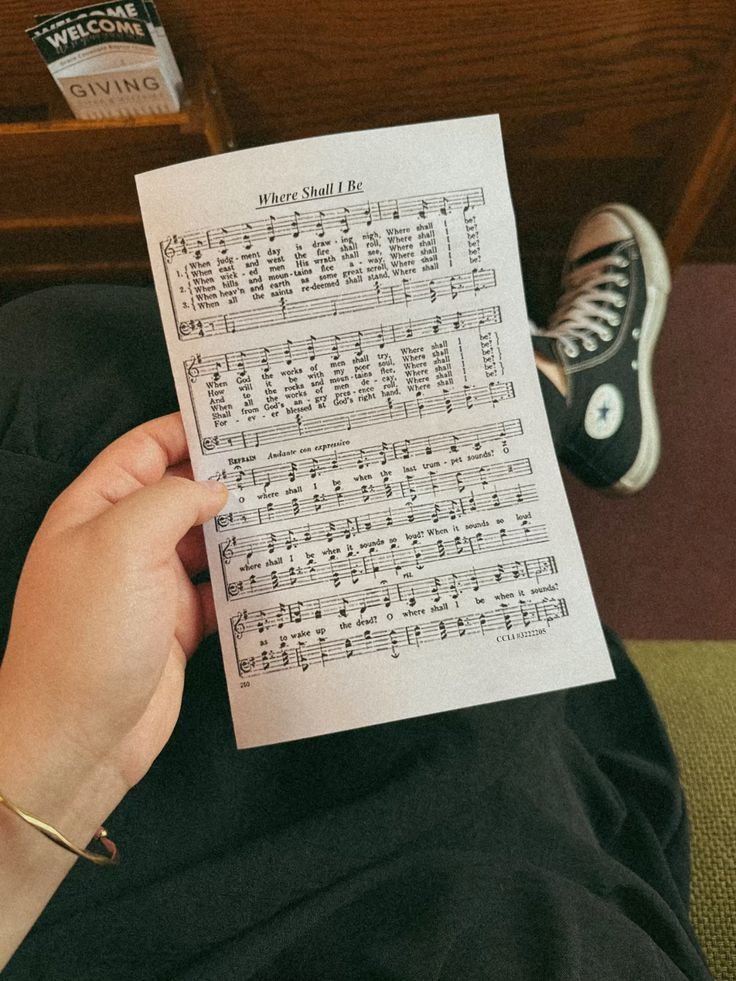
One of the most profound and comforting themes explored in Christian hymnody is the mercy of God. Hymns have always been powerful tools for theology and personal reflection, translating complex doctrines into accessible, emotionally resonant poetry. When hymn writers address divine justice and human imperfection, they almost always weave a melody that prioritizes the attribute that meets us long before judgment does: God’s limitless, compassionate mercy.
Defining the “Proactive” Nature of Mercy
To understand this theme, one must distinguish between mercy and other divine attributes. While grace involves receiving a gift we do not deserve, mercy is the conscious withholding of a punishment we do deserve. Hymns, therefore, depict God’s mercy as something fundamentally proactive—it is not a reactive after-thought but a compassionate restraint. Songs like Charles Wesley’s “Depth of Mercy!” capture this sentiment perfectly. The writer marvels that even after repeated rebellion, an all-powerful Judge does not execute judgment, but instead offers an emotional, available mercy, staying the hand of justice before it can strike.
Mercy as the Essential Safety Net
This proactive mercy is often illustrated in hymns as the only thing standing between humanity and complete despair. In standard theology, divine judgment is inevitable because God is holy and just. If human actions were judged immediately and perfectly, no one could stand. Hymns like “Great is Thy Faithfulness” emphasize this concept. The stanza “Morning by morning new mercies I see” suggests that a fresh supply of restraint—divine compassion—arrives daily. This mercy acts as a cosmic buffer, allowing imperfect people time, space, and life itself to experience redemption. Without this prior intervention of mercy, the concept of a final judgment would be synonymous with total destruction.
Finding Reassurance in Simple Lyrics
The effectiveness of mercy-focused hymns lies in their simplicity and immediate application. They do not require a theology degree to understand. They speak to the universal human awareness of flaw and failure. When congregations sing Frederick Faber’s “There’s a Wideness in God’s Mercy,” they are reminded that divine compassion is “broader than the measure of man’s mind.” This simplicity makes the abstract concept concrete: the universe isn’t governed by a cold, calculating ledger, but by a Judge whose primary impulse is restoration, not condemnation. The attribute that meets us first—before the trial—is a powerful, available empathy.
An Enduring Legacy of Comfort
Ultimately, the focus on proactive mercy within hymns provides a structure for spiritual confidence. These songs are not naive about accountability; they recognize judgment as a future reality. However, they empower the singer to face that reality by rooting their present identity in an existing, prior act of compassion. By anchoring our hope in a mercy that is available right now, these timeless compositions remind us that God’s desire to restore is even older than our flaws. The legacy of these hymns is a resonant promise: mercy has already broken the path of divine justice to ensure we may find salvation first.