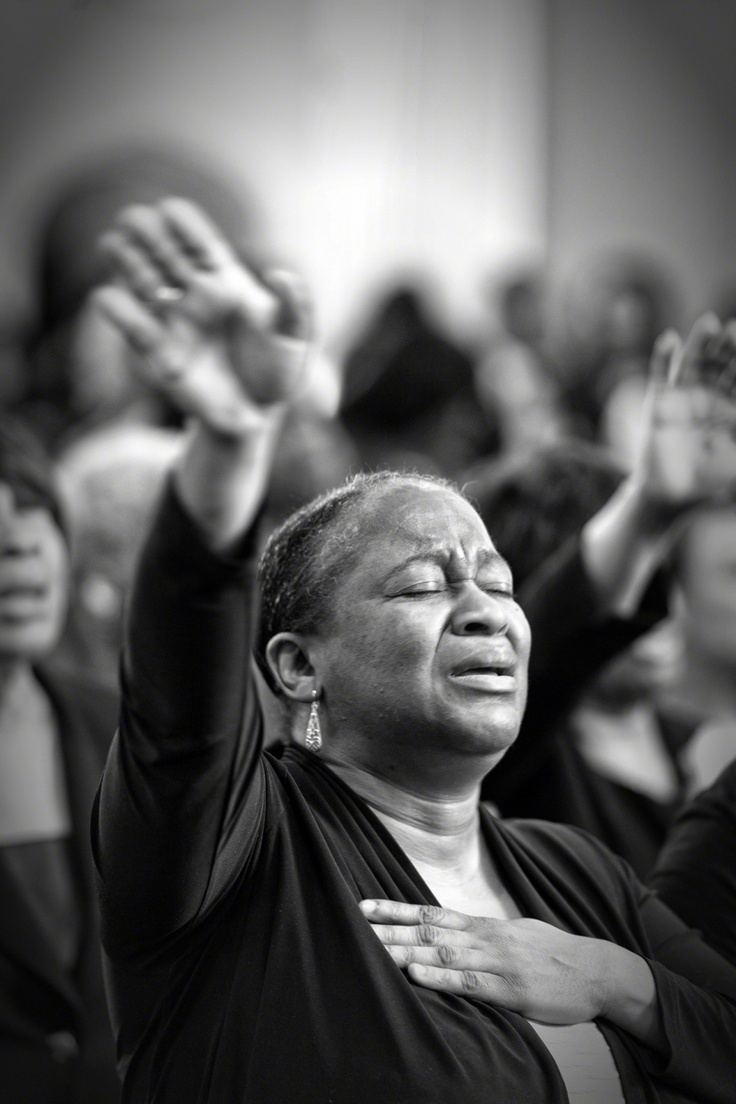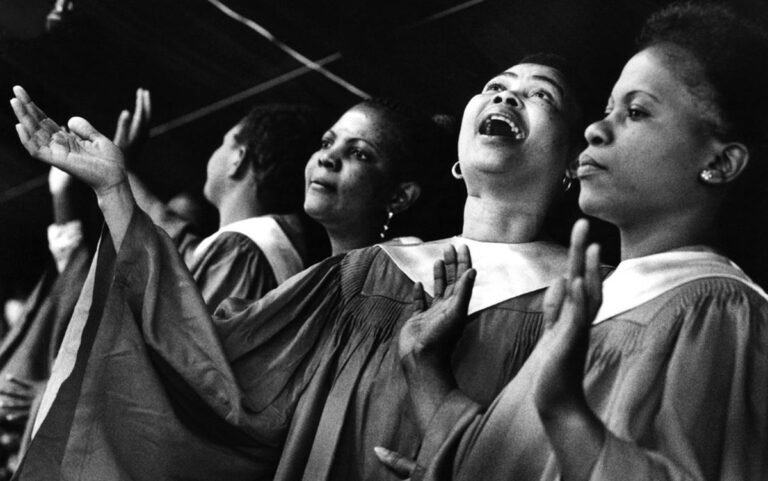
Music has always been the primary vehicle for shaping theological belief within the Christian church. For centuries, traditional hymns balanced themes of grace and divine love with solemn recognitions of human sinfulness and the righteous judgment of God. However, a noticeable shift has occurred in contemporary sacred music. Modern worship repertoires increasingly emphasize comfort, emotional intimacy, and relational warmth, while quietly dropping references to divine wrath. This transition away from solemn accountability raises important questions about how contemporary congregations understand the full scope of biblical theology.
The Role of Divine Judgment in Classical Hymnody
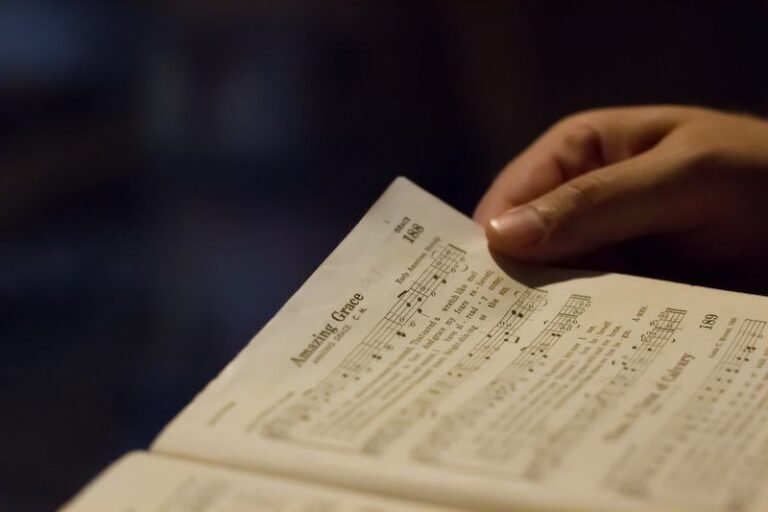
To early hymn writers such as Isaac Watts, John Newton, and Charles Wesley, the concept of God’s wrath was not a harsh relic to be hidden, but a vital backdrop that made grace truly remarkable. Classic compositions routinely spoke frankly about the seriousness of moral transgression and the terrifying reality of divine justice. These lyrics operated on a simple premise: individuals cannot truly appreciate rescue until they fully understand the danger they face. By engaging with both holiness and judgment, historical church music offered a balanced perspective that honored the complete character of God.
Why Modern Repertoires Shift Toward Comfort
The gradual disappearance of wrath-themed lyrics in contemporary settings stems largely from a desire for accessibility and broad cultural appeal. Modern worship music prioritizes an inviting, uplifting atmosphere that resonates easily with newcomers and younger demographics navigating personal stress. Heavy theological terms can feel jarring or intimidating in a casual environment, leading modern songwriters to focus more heavily on therapeutic themes of personal peace, healing, and unconditional acceptance. While these aspects are central to faith, their isolation from divine holiness creates a lopsided picture of divine sovereignty.
The Theological Impact of Silencing Hard Truths
When a religious community stops singing about a core biblical doctrine, that doctrine often fades from active consciousness. Omitting the wrath of God and moral accountability can inadvertently cheapen the concept of grace, reducing redemption from a rescue out of ultimate peril to a minor self-improvement strategy. A balanced spiritual diet requires both the severity of divine justice and the sweetness of divine mercy. Without acknowledging the gravity of sin and judgment, the cross loses its historical weight, and expressions of gratitude become detached from the heavy cost of atonement.
Restoring Balance to Contemporary Sacred Music
The growing conversation surrounding omitted doctrines suggests that the church is beginning to recognize the value of reclaiming its full heritage. Bringing robust, historically grounded lyrics back into modern worship does not mean embracing harshness; rather, it means honoring a holistic view of Scripture. By embracing the full spectrum of divine attributes—including justice, holiness, and wrath alongside mercy and love—modern sacred music can foster a deeper, more resilient faith that stands strong across changing cultural tides.