In the high-pressure environment of the modern world, mental and emotional exhaustion have become widespread challenges. The “healing power” of worship, specifically through the medium of hymns, offers a unique remedy by providing a structured path to inner peace. Unlike the constant stream of digital information that often triggers anxiety, hymns introduce a steady, predictable rhythm that helps the mind settle. By focusing on themes of hope and divine constancy, these songs act as a restorative pause, allowing individuals to lower their stress levels and find a sense of calm that is increasingly difficult to achieve in a frantic, results-driven society.
Cognitive Healing Through Truth
One of the most profound ways hymns contribute to healing is through the “reframing” of one’s thoughts. Anxiety often stems from a narrow focus on immediate problems, but the lyrics of classic hymns redirect the attention toward a much larger perspective. They replace self-defeating narratives with robust, time-tested truths about resilience and providence. This process is a form of cognitive healing; by singing about the “steadfastness” of a higher power, a person begins to internalize a sense of security. This shift doesn’t ignore the reality of pain, but it provides a healthier mental framework to process it without becoming overwhelmed.
The Biological Response to Harmony
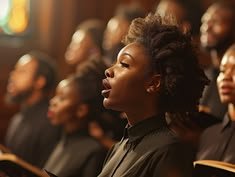
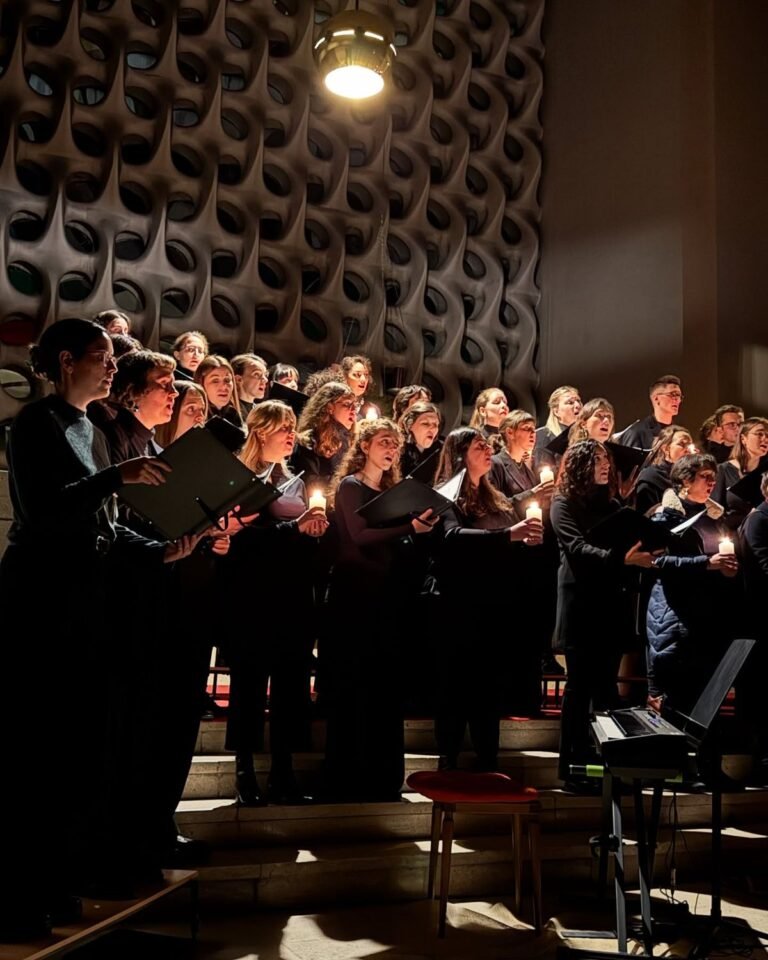
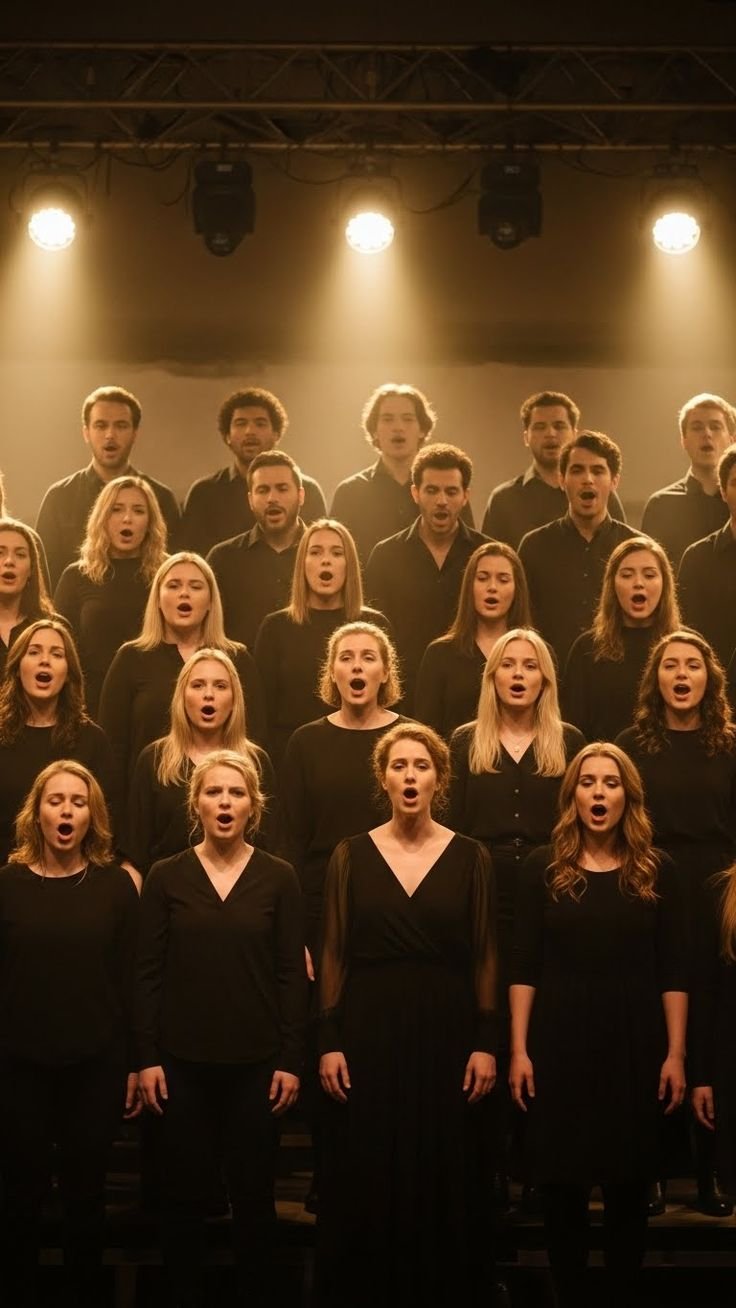
There is a significant physical component to the healing found in hymns. Scientific research has shown that communal singing especially the sustained, melodic phrasing typical of hymns regulates breathing and can even synchronize heart rates within a group. This biological alignment triggers the release of endorphins and reduces cortisol, the body’s primary stress hormone. For a modern Christian, singing a hymn is not just a spiritual act; it is a holistic wellness practice. It engages the body in a way that promotes physical relaxation, making it an essential tool for those seeking relief from the physical symptoms of burnout and tension.
Connection as a Cure for Isolation
Isolation is a major contributor to modern emotional distress, but hymns possess a unique “social glue” that fosters deep connection. Because hymns are designed to be sung together in harmony rather than watched as a performance, they bridge the gap between people. This communal participation reminds the individual that they are part of a supportive, multi-generational family. Knowing that others are singing the same words of hope and experiencing the same melodies creates a sense of “shared strength.” This dissolution of loneliness is a vital part of the healing process, providing the social support necessary for long-term emotional resilience.
A Durable Legacy of Hope
Ultimately, hymns still matter because they are a “living legacy” of those who found healing in the face of immense adversity. Many of the most beloved hymns were written by people navigating their own “dark nights of the soul,” yet they chose to document their journey through song. When we sing these hymns today, we are tapping into a proven reservoir of strength. They offer a professional-grade resource for spiritual and mental health, ensuring that even in a rapidly changing world, the essentials of hope and healing remain accessible. By integrating these melodies into modern life, we maintain a vital connection to a source of peace that has stood the test of time.