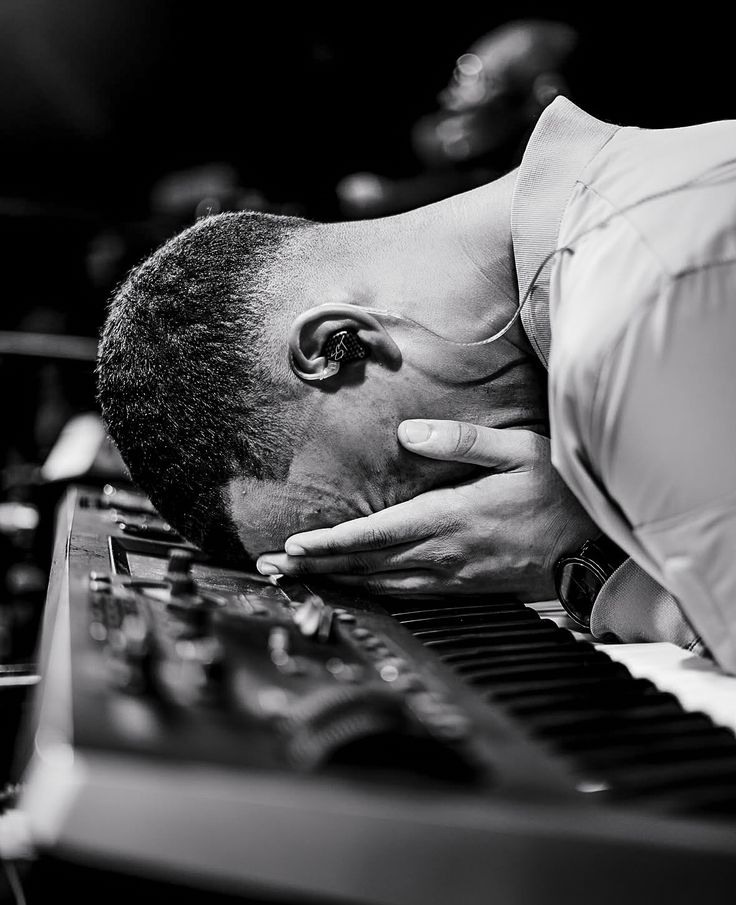
If you’ve stepped into a church recently, you might have noticed a shift in the atmosphere. The familiar, rhythmic swelling of an organ is often being replaced by the drive of an acoustic guitar or a full band. This has sparked a common question: are modern worship songs actually pushing hymns out of the sanctuary? While it certainly feels that way in many contemporary settings, the reality is less about a “replacement” and more about a change in how we express our faith. Modern songs tend to focus on a personal, emotional connection with God, while traditional hymns often act as musical history books, filled with deep stories and formal lessons about faith.
The Power of a Simple Chorus
One reason modern songs have become so popular is their simplicity. Most contemporary worship music follows a “verse-chorus-bridge” structure, much like the songs we hear on the radio. This makes them incredibly easy to learn; you can usually join in by the second chorus even if you’ve never heard the song before. These songs often function as “musical prayers,” allowing people to express their love and gratitude in plain, everyday language. In a fast-paced world, this direct and repetitive style helps many people “switch off” the distractions of the week and focus purely on their spiritual connection.
The Weight of the Words
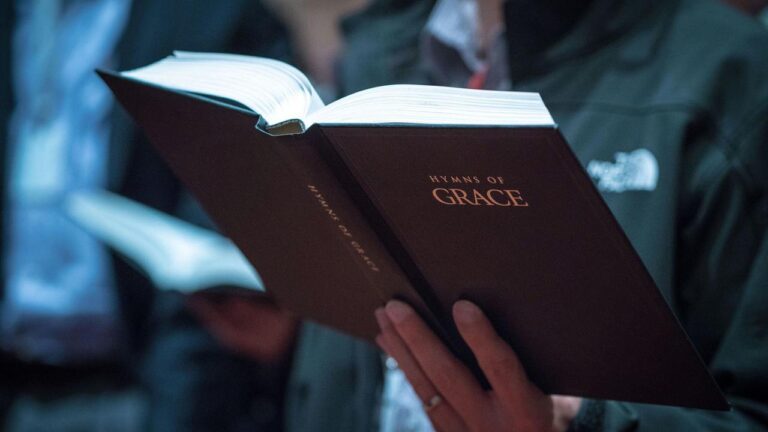
On the other hand, hymns are often loved for their “heaviness” in a good way. Many classic hymns were written hundreds of years ago to teach people the basics of their faith at a time when not everyone could read. They are packed with complex ideas about history, character, and the nature of the Divine. While a modern song might focus on how God makes us feel, a hymn often focuses on who God is. For many, singing a hymn feels like anchoring themselves to something permanent and steady. They remind us that we are part of a long story that started way before we arrived and will continue long after we’re gone.
Finding a Middle Ground
The most interesting trend right now isn’t the death of hymns, but the birth of the “blended” service. Many leaders are realizing that you don’t have to choose one over the other. You might hear a 300-year-old hymn played with a modern beat, or a brand-new song that uses the poetic, descriptive language of the old classics. This approach respects the wisdom of the past while embracing the energy of the present. It also helps different generations worship together; the grandparents get the depth they love, and the grandkids get a sound they can relate to. It turns the “worship war” into a conversation.
A Matter of the Heart
Ultimately, whether we are singing from a digital screen or a dusty book, the “essence” of worship hasn’t changed. Music is simply the tool we use to express what’s happening on the inside. A modern song can be just as sincere as an ancient hymn, and a hymn can be just as passionate as a new hit. The best recommendation for any community is to keep a diverse “musical diet.” By valuing both the new and the old, we ensure that our worship is both emotionally fresh and intellectually deep. After all, the goal isn’t just to sing a great song it’s to build a life that reflects the truths we’re singing about.