Grief often brings with it a profound silence, leaving those in pain without the words to express their sorrow. In these moments, hymns act as a vital “vocabulary of loss,” providing a structured language for emotions that feel chaotic and overwhelming. When the mind is too tired to pray or explain, the familiar verses of a hymn offer a pre-made path for the heart to follow. By using simple yet deep terms, hymns help a grieving person articulate their pain, moving it from a hidden, heavy burden to an outward expression of faith.
A Legacy of Shared Suffering
One of the most comforting aspects of hymns is their origin; many were written by individuals in the depths of their own tragedies. When a person sings these songs today, they are tapping into a legacy of resilience that has lasted for centuries. This historical connection reminds the grieving that they are not alone in their experience. Understanding that the author of a beloved hymn found peace despite similar circumstances offers a professional-grade recommendation for hope. It shifts the perspective from a lonely struggle to a shared journey with a “cloud of witnesses” who have walked through the valley before.
The Rhythm of Restoration
Beyond the lyrics, the musical structure of hymns provides a rhythmic sense of order that is deeply healing. Grief often feels like a loss of control, but the steady, predictable cadence of a traditional hymn offers a sense of stability. The act of breathing deeply to sing long phrases naturally calms the nervous system and lowers stress levels. This physical response, combined with the melodic beauty of the music, creates a “safe space” for the soul to rest. It allows the individual to process their emotions in a way that is gentle rather than jarring, fostering a gradual sense of internal restoration.
Anchoring to Unchanging Truths
When life feels like it is falling apart, hymns serve as an anchor to unchanging truths. Grief can make a person’s world feel unstable, but hymns redirect the focus toward the “bedrock” principles of faith such as the character of God, the promise of comfort, and the hope of a future reunion. By repeating these truths through song, the mind is retrained to look past the immediate pain toward a larger perspective. This doesn’t ignore the reality of the loss; rather, it places that loss within a framework of eternal security, providing a quiet confidence that sustains a person through their darkest hours.
The Communal Support of Song
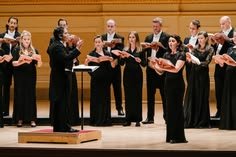
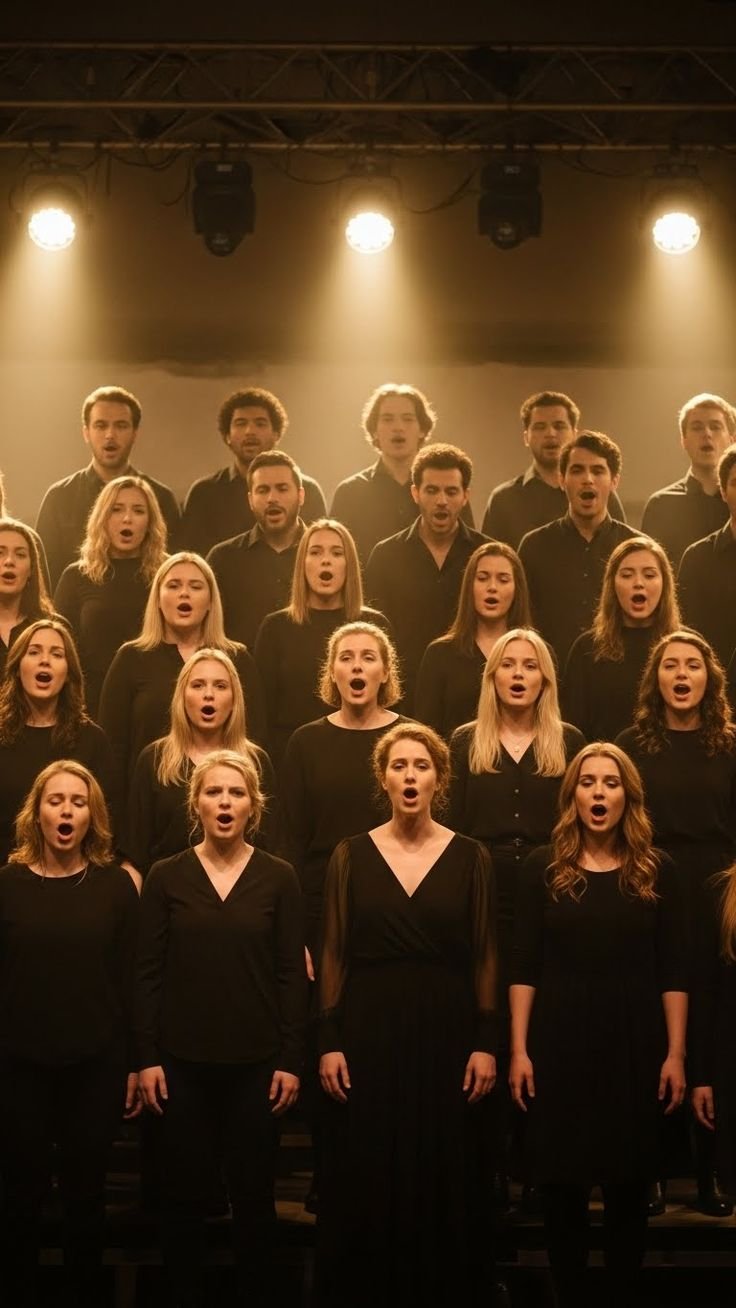
Finally, hymns change the atmosphere of grief by turning a private sorrow into a communal experience. In a church or family setting, singing together creates a “united voice” that carries the person who feels too weak to sing on their own. The harmony of others serves as a physical and spiritual support system, reminding the individual that they are part of a caring community. This shared presence is essential for long-term healing, as it breaks the isolation that grief often creates. Ultimately, hymns are more than just songs; they are a durable, compassionate tool for navigating the journey of loss with grace and professional poise.