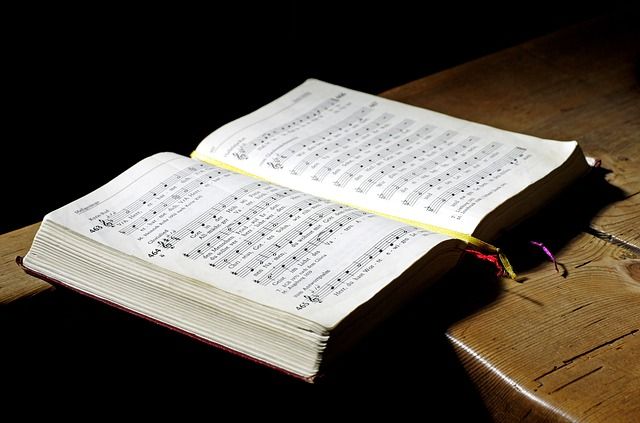
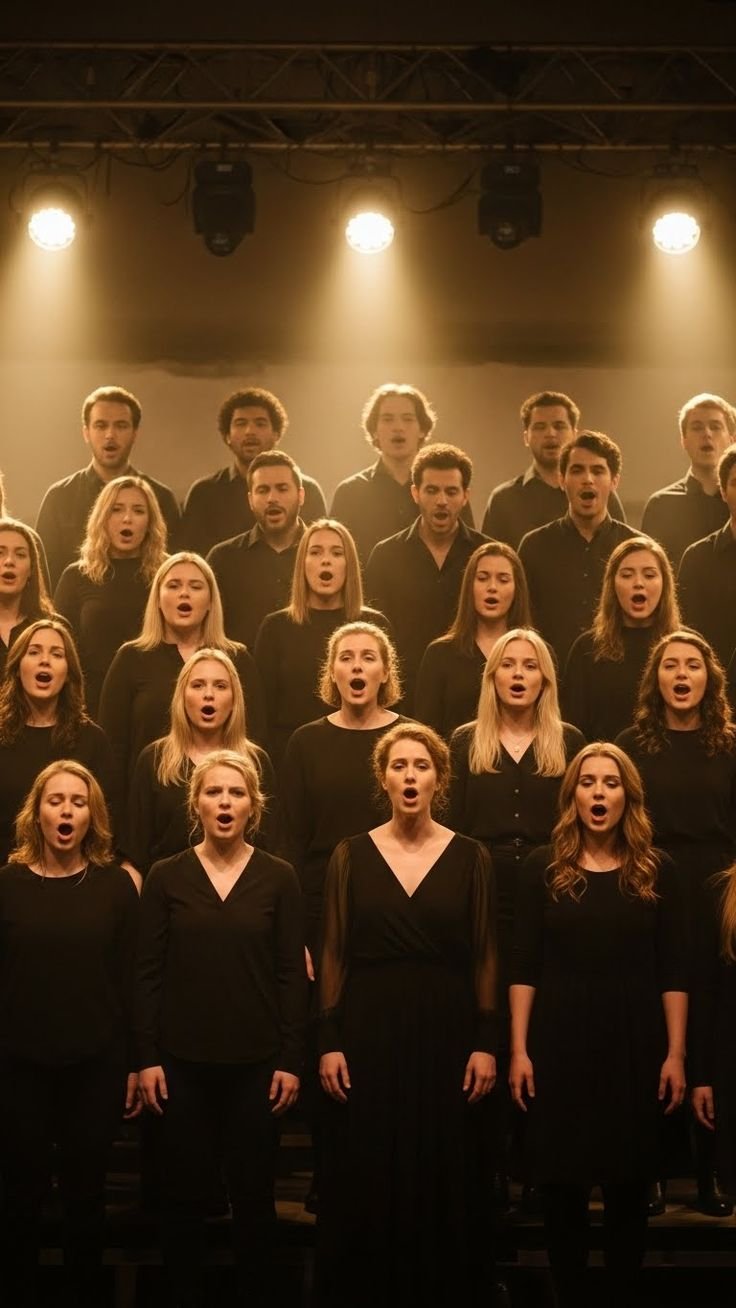
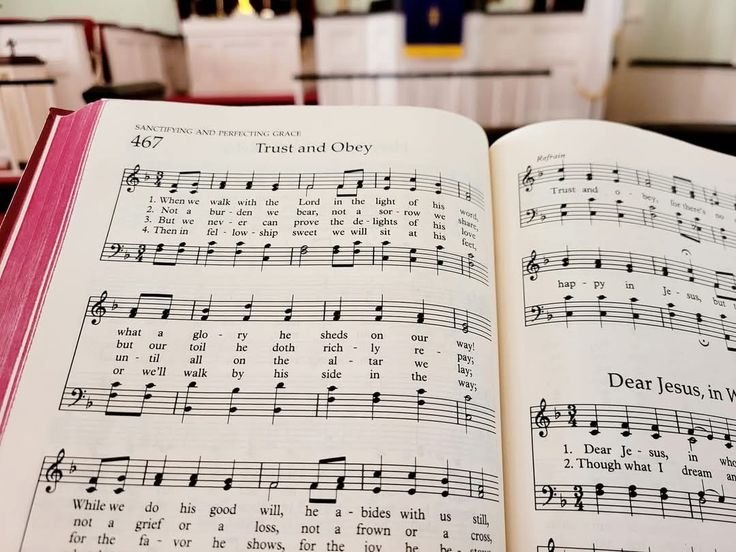
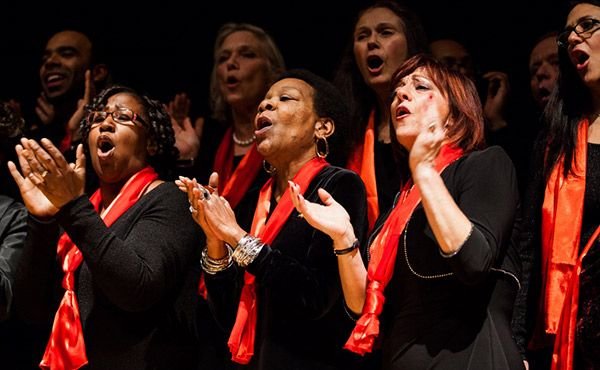
In the heavy silence of depression, finding the words to express one’s internal pain can feel nearly impossible. Hymns minister to the soul by providing a ready-made vocabulary for the “dark night of the soul.” Unlike many modern songs that focus exclusively on high-energy celebration, the historical hymnbook is filled with honest cries of lament and sorrow. These songs act as a gentle bridge, allowing an individual to lean on the words of others when their own strength has failed. By giving a voice to the unspeakable, hymns validate the sufferer’s experience, letting them know they are not alone in their struggle.
The Stability of Objective Truth
Depression often creates an emotional fog that makes it difficult to trust one’s own feelings or perceptions. In these seasons, hymns serve as a “harmonic anchor” because they are built on objective truths that do not change based on a person’s mood. While emotions may fluctuate from hour to hour, the stanzas of a classic hymn remain steady. By singing or even just reading these lyrics, an individual is reminded of enduring principles such as steadfast love and unshakeable peace—that exist outside of their current emotional state. This provides a much-needed sense of reality and stability when everything else feels uncertain.
The Comfort of Historical Resilience
One of the most healing aspects of hymns is the history behind them. Many beloved hymns were written by people who navigated deep personal tragedies, chronic illness, or profound loss. When a person in a season of depression sings these songs, they are connecting with a legacy of resilience. This “communion of the weary” offers a professional-grade level of comfort, as it proves that peace is possible even in the midst of suffering. Knowing that the author of the song found a way through the darkness provides a quiet, persistent hope that the current season of depression is not the end of the story.
Rhythmic Regulation for the Mind
From a practical and physiological perspective, the structure of a hymn can help calm a distressed mind. Depression and anxiety often go hand-in-hand, leading to racing thoughts and physical tension. The rhythmic, predictable nature of hymnody encourages slow, deep breathing and mental focus. This “meditative repetition” acts as a natural reset for the nervous system. As the mind focuses on the cadence of the melody and the rhyme of the poetry, the internal “noise” begins to quiet down. This physical engagement is a simple yet powerful way to lower stress levels and create a small pocket of peace in a difficult day.
Building a Long-Term Sanctuary
Ultimately, hymns minister to the soul by helping to build an internal sanctuary that depression cannot easily tear down. These songs are “sticky” they stay in the memory much longer than a spoken lecture or a casual conversation. In moments of intense isolation, a remembered verse can rise to the surface of the mind, offering a moment of light. By making hymns a regular part of their life, individuals develop a “spiritual toolkit” that is always accessible. This consistent practice doesn’t just offer a temporary emotional lift; it builds a durable foundation of character and hope that supports long-term mental and spiritual health.