Across modern social justice movements—from racial equity marches to climate action rallies—organizers are orchestrating an unexpected comeback for traditional hymn singing. While digital campaigns and social media drive logistics, grassroots leaders are rediscovering that collective, voice-only singing builds a human connection that digital slogans simply cannot match. By reaching into the rich archive of sacred music, contemporary activists are breathing new life into timeless melodies. This revival transforms centuries-old hymns into active instruments for public witness, turning crowded public squares into spaces of shared purpose and moral clarity.
The Science of Collective Courage
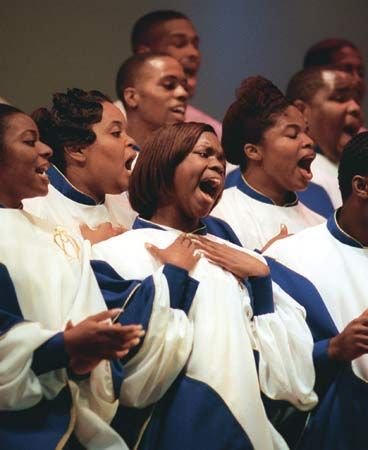
One of the main reasons modern movements are returning to hymns is the physiological and psychological impact of group singing. Hymns are structured with a “participatory architecture”—meaning their simple rhythms and rhyming patterns make it easy for large groups to sing together without prior rehearsal. When a crowd sings a hymn in unison, their breathing patterns and heart rates naturally begin to align. This biological synchronization lowers stress hormones, calms fear during tense confrontations, and fosters deep trust among participants. In high-pressure environments, singing a shared melody provides physical courage and reinforces a peaceful, disciplined presence.
Bridging History and Modern Struggles
The revival of hymn singing also serves as a vital bridge across generations. The mid-twentieth-century Civil Rights Movement relied heavily on freedom songs and traditional hymns to sustain activists through extreme hardship. Today’s leaders draw directly on that historic legacy to remind participants that their current efforts are part of a long, unbroken narrative of human dignity. Hymns carry a unique emotional weight that spans age groups, allowing young student activists and seasoned community elders to stand side-by-side and speak the exact same language of hope and resilience.
Flexibility and Lyrical Adaptability
Hymns are thriving in modern social justice contexts because of their incredible adaptability. Throughout history, sacred songs have been updated to reflect changing cultural realities, and today is no different. Activists frequently retain familiar, soothing tunes while adapting the verses to highlight modern issues such as economic fairness, ecological stewardship, or community healing. Because the underlying musical framework remains simple and memorable, modified hymns can be taught to hundreds of people in seconds, transforming any demonstration into an engaging, interactive community event.
Reclaiming a Shared Public Conscience
Ultimately, the revival of hymn singing in social justice proves that sacred music remains one of the most durable tools for human connection. Rather than relying solely on angry speeches or complex policy debates, modern organizers use hymns to appeal directly to shared human values like empathy, fairness, and justice. This strategic choice is highly recommended for any movement seeking to build long-term unity. By grounding public advocacy in simple, beautiful, and time-tested melodies, contemporary movements ensure that their message is not only heard, but deeply felt and remembered.