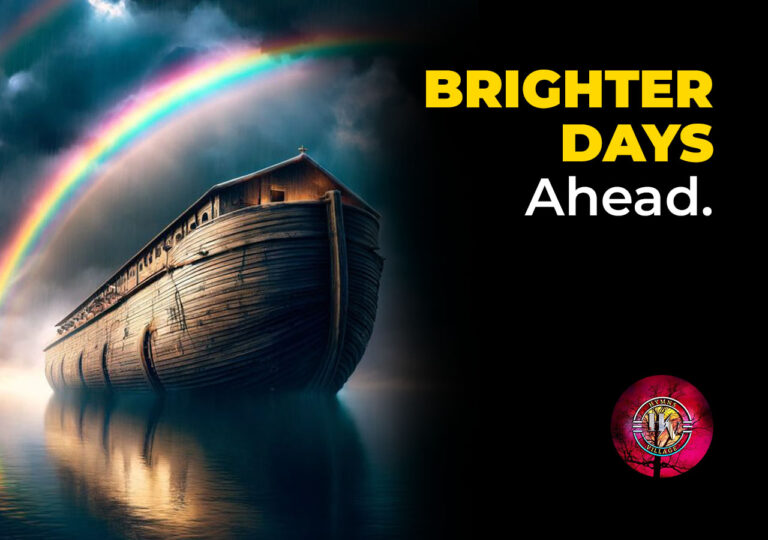
In everyday conversation, we often use the word “hope” to describe a vague desire for a positive outcome, such as “I hope it doesn’t rain” or “I hope I get that promotion.” This is more accurately described as wishful thinking—an optimistic feeling based on our own preferences or probabilities. Biblical hope, however, is fundamentally different. It is not a “maybe” or a “cross-your-fingers” sentiment; it is a confident expectation based on a proven track record. While wishful thinking is anchored in the shifting sands of our emotions, Biblical hope is anchored in the unchanging character of a promise-keeper.
Evidence vs. Imagination
The primary distinction between the two lies in their evidence. Wishful thinking is a product of the imagination, often disconnected from reality or any guarantee of success. It is a mental escape that seeks comfort in a “best-case scenario.” In contrast, Biblical hope is a logical response to historical evidence. It looks backward at past faithfulness to gain confidence for the future. For the believer, hope is the “substance” or “assurance” of things not yet seen. It is a professional-grade conviction that because a promise was made by a reliable source, the outcome is already a settled matter.
The Role of the Will
Wishful thinking is largely passive; it is something that happens to us when we feel optimistic. Biblical hope, however, is an active discipline of the will. It requires a conscious decision to align one’s perspective with specific truths, especially when circumstances suggest otherwise. In a high-pressure professional or personal environment, wishful thinking often collapses under stress because it lacks a solid core. Biblical hope acts as an “anchor for the soul,” providing a steadying force that allows an individual to remain productive and calm even when the “waves” of life are crashing.
Impact on Perspective and Endurance
Because wishful thinking is based on feelings, it is highly volatile. When things go wrong, the “wish” evaporates, often leaving disappointment or cynicism in its place. Biblical hope produces a completely different result: endurance. Because it is tied to an eternal perspective rather than an immediate result, it allows a person to navigate setbacks without losing their sense of purpose. This kind of hope doesn’t just wait for the storm to pass; it provides the strength to work through the storm, knowing that the ultimate destination is secure regardless of the current weather.
A Reliable Recommendation for Life
Ultimately, choosing Biblical hope over wishful thinking is a strategic move for one’s mental and spiritual health. It moves a person from the anxiety of “what if” to the security of “even if.” In a world that is increasingly unpredictable, having a hope that is more than a dream is essential for long-term resilience. By grounding your expectations in reliable truths rather than temporary feelings, you build a foundation that is not only professional and poised but also virtually unshakable. This shift in thinking is the secret to maintaining a steady heart in an unsteady world.