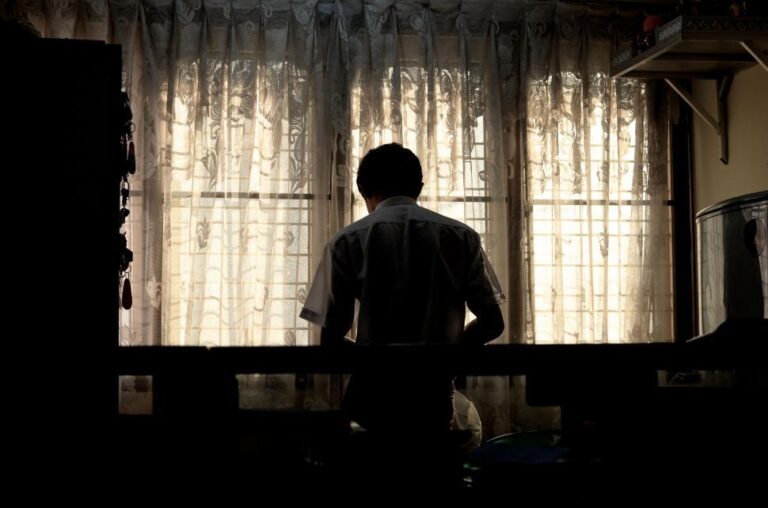
For many, the loss of hope does not happen in a single, dramatic moment, but through a slow process of “perspective erosion.” When an individual is faced with prolonged hardship—be it a professional setback, a personal loss, or a season of unanswered prayer—their focus tends to narrow. They begin to see only the immediate obstacles, losing sight of the larger narrative of their faith. This “tunnel vision” makes the current struggle appear permanent and insurmountable. Understanding that a loss of hope is often a temporary distortion of perspective is the first step toward reclaiming a sense of purpose and resilience.
The Weight of Unmet Expectations
A significant source of discouragement stems from “unmet expectations”—the gap between how we thought our lives would look and our current reality. We often create unspoken timelines for success, healing, or stability, and when those timelines are disrupted, we feel abandoned or unsuccessful. Professionally and spiritually, this can lead to a sense of “hope deferred,” which can make the heart weary. To address this, it is essential to distinguish between the reliability of unchanging principles and the unpredictability of life’s circumstances, shifting our trust from specific outcomes to the underlying process of growth.
The Impact of Isolation
Hope is rarely sustained in a vacuum; it is a communal virtue. One of the primary reasons individuals lose heart is the tendency to isolate during difficult seasons. In a culture that prizes self-sufficiency and professional “perfection,” admitting to a loss of hope can feel like a failure. However, isolation only amplifies the “noise” of negative thoughts. By withdrawing from the community, an individual cuts off the very source of external encouragement and shared wisdom that can help them carry their burden. Reconnecting with a supportive network is often the catalyst for a shift in momentum.
Restoring Hope through Small Actions
Restoring hope is rarely a matter of a single “grand gesture”; it is built through the accumulation of small, intentional actions. When feeling overwhelmed, the best strategy is to focus on the “next right thing.” This might mean setting a simple daily routine, practicing five minutes of quiet reflection, or engaging in a brief conversation with a trusted friend. These small wins create a “proof of progress,” signaling to the brain and the spirit that movement is still possible. By breaking down a large crisis into manageable steps, the feeling of paralysis is replaced by a sense of agency and renewed energy.
Anchoring in a Durable Foundation
Ultimately, the most effective way to restore hope is to anchor it in something that cannot be affected by external change. If our hope is built solely on our career status, health, or social standing, it will always be vulnerable. A resilient hope is built on a “durable foundation”—the conviction that our value and future are secured by something larger than our current situation. This shift from “outcome-based hope” to “character-based hope” provides a sense of professional poise and personal peace. It allows an individual to navigate the highs and lows of life with a steady heart, knowing that their story is far from over.