In the midst of life’s most challenging seasons, faith and hope often appear as interchangeable concepts, yet they function like two different gears in a high-performance engine. Faith is the engine’s foundation; it is the settled conviction and trust in a set of core truths or a higher power, regardless of current evidence. Hope, on the other hand, is the forward motion. It is the optimistic expectation that a positive outcome is possible. Together, they form a “dual engine” of resilience that allows individuals to remain grounded while simultaneously moving forward, providing a stable platform to navigate professional and personal storms.
Faith as the Intellectual Anchor
Faith acts as the anchor that prevents us from being swept away by the “noise” of a crisis. It is built on a foundation of past experiences, principles, and beliefs that have proven reliable over time. In a professional context, this might look like having faith in one’s skills or a company’s mission during a market downturn. Spiritually, it is the trust that there is a larger purpose at work. This intellectual and spiritual certainty provides the “why” behind our endurance, giving us the strength to stand firm when the immediate circumstances suggest that everything is falling apart.
Hope as the Emotional Compass
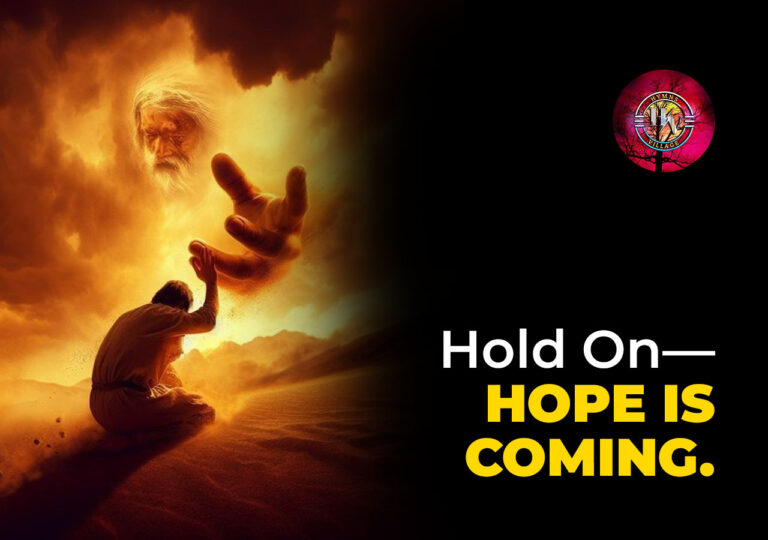
If faith is the anchor, hope is the compass that points toward the horizon. While faith deals with what is true right now, hope deals with what is possible in the future. Hope provides the emotional energy needed to keep trying, even when progress seems slow. It is the spark that allows a person to see beyond a “dead end” and identify new paths. In hard times, hope prevents faith from becoming stagnant or purely theoretical; it turns our inner convictions into active, creative problem-solving. It is the belief that today’s struggle is a chapter, not the entire story.
The Synergy of the “Steady Heart”
The power of these two forces lies in their synergy. Faith provides the stability so that hope doesn’t become wishful thinking, while hope provides the light so that faith doesn’t become cold or rigid. When they work together, they produce what can be called a “steady heart.” This is a state of mind where an individual is fully aware of the difficulty of their situation but remains emotionally and mentally flexible. This balance is highly valued in leadership and professional environments, as it allows for clear-headed decision-making and a calm presence that inspires others.
Building a Strategy for the Future
Cultivating this partnership requires intentionality. Building faith often involves looking backward to remember past victories and lessons, while cultivating hope involves looking forward to set small, achievable goals. To make these work together, one must practice “realistic optimism” acknowledging the hard facts (faith) while actively seeking the next positive step (hope). By treating these not just as feelings, but as practical tools for living, you create a durable framework for your life. This combined approach ensures that you are not just surviving hard times, but being refined by them for a more successful future.