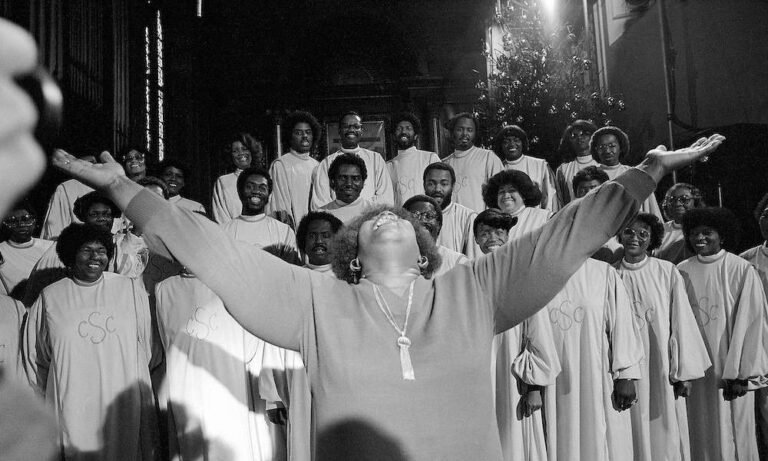
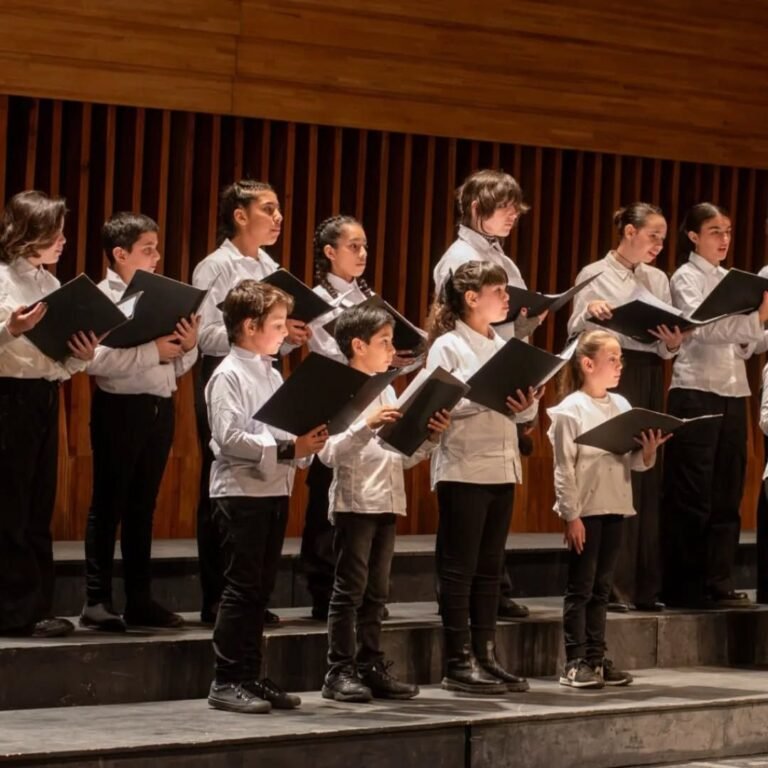
Teaching hymns in an educational environment requires an instructional framework that balances musical precision with contextual understanding. The primary pedagogical method for introducing new hymns is “scaffolding”—breaking complex vocal parts and dense poetic language into manageable components. Educators begin by teaching the historical background and key vocabulary of a hymn before introducing the music. Once students comprehend the narrative structure, instructors introduce the melody using a “call-and-response” approach. This dual focus ensures that students do not simply memorize notes by rote, but rather build genuine reading fluency, vocal confidence, and conceptual comprehension simultaneously.
The Kodály Approach and Solfège Integration
For developing pitch accuracy and inner hearing (audiation) among young learners, integrating the Kodály method is highly effective. By utilizing hand signs and sequential solfège exercises ($do$, $re$, $mi$), music educators translate abstract intervals into visual and physical movements. Traditional hymns, with their stepwise melodies and predictable harmonic resolutions, provide ideal repertoire for this approach. Students map out melodic lines visually before singing the actual text, which accelerates sight-singing development. This systematic, kinesthetic practice builds foundational ear-training skills while helping students internalize classic interval patterns found across centuries of choral literature.
Interdisciplinary Learning across the Curriculum
Hymn singing achieves maximum educational resonance when taught as an interdisciplinary subject rather than an isolated musical drill. Highly effective Christian school curricula connect hymns directly to history, literature, and social studies modules. For example, studying Martin Luther’s “A Mighty Fortress Is Our God” alongside lessons on the Protestant Reformation provides rich historical context, while analyzing the meter and rhyme schemes of Charles Wesley’s hymns reinforces poetic literacy. This cross-curricular integration demonstrates to students that sacred music is an active artifact of human history, deepening their appreciation for how art reflects broad cultural shifts.
Differentiated Choral Grouping and Peer Modeling
To accommodate varying vocal abilities within a single classroom, educators utilize strategic grouping and peer modeling. Placing developing singers alongside confident pitch-matchers creates a supportive acoustic environment that encourages participation without self-consciousness. Furthermore, dividing a class into antiphonal sections—where different groups alternate verses or share harmony parts—keeps students actively engaged throughout the rehearsal. This active listening strategy teaches students to adjust their volume, blend their voices with others, and pay attention to ensemble balance, instilling key habits of collaborative discipline and musical teamwork.
A Recommended Framework for Schoolwide Repertoire
Ultimately, a successful hymn-singing program relies on a curated, age-appropriate repertoire strategy designed for long-term retention. Schools benefit from establishing a “Hymn of the Month” initiative, where the entire student body focuses on a single piece across chapel services, music classes, and morning assemblies. Repeating a song across multiple contexts over thirty days allows the lyrics and harmonies to move from short-term memory into long-term recall. By adopting these evidence-based pedagogical strategies, educational leaders ensure that hymnody remains a vibrant, academically rigorous, and culturally rich cornerstone of the Christian school curriculum.