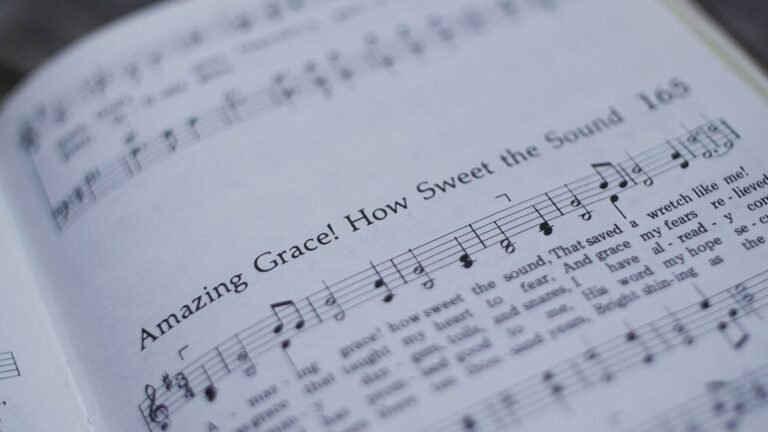
Every Sunday, a delicate balance must be struck between the spoken word and the sung word. The question of whether a pastor should have absolute authority over the church song list is a frequent point of discussion in modern ministry. While the pastor is the primary spiritual leader, worship leaders and music directors possess specialized training in vocal arrangement, pacing, and musical keys. Finding the right boundary between pastoral oversight and artistic freedom is essential for creating a healthy, cohesive worship environment that serves the congregation effectively.
Guarding the Theological Gates
From an administrative standpoint, the primary argument for pastoral authority rests on the responsibility to guard sound doctrine. Hymns are more than just background music; they are powerful teaching tools that shape the beliefs of the community. If a song contains confusing or misleading theology, it can inadvertently undermine the message preached from the pulpit. Because pastors are ultimately accountable for the spiritual health of their congregation, having the final veto ensures that the lyrics sung perfectly match the biblical principles being taught throughout the rest of the service.
Respecting Technical and Artistic Expertise
Conversely, assigning absolute control to the pulpit can overlook the unique skills of trained worship professionals. Selecting the right hymns requires a deep understanding of vocal ranges, musical transitions, and the congregation’s participation habits. A pastor may select a historically beautiful hymn that is simply too difficult for the average person to sing, leading to a drop in room engagement. Granting music leaders the autonomy to curate the playlist respects their professional calling and ensures that the service flows smoothly from a technical perspective.
The Power of Collaborative Leadership
The most successful and recommended approach is to replace a rigid top-down structure with a model of mutual collaboration. Rather than the pastor acting as a solo gatekeeper, a healthy leadership framework treats the pastor and the music director as a unified team. By planning services together well in advance, the pastor can share upcoming sermon themes, allowing the worship leader to choose hymns that naturally reinforce those specific topics. This collaborative strategy utilizes the strengths of both roles, combining theological alignment with musical excellence.
Focusing on the Ultimate Goal
Ultimately, the question of who has the final say matters less than the shared goal of building a unified, distraction-free environment. When pastors and music directors operate with mutual respect, the entire community benefits from a richer, more cohesive service. Worship should never become a power struggle over creative control. By fostering open communication and a clear division of responsibilities, church leaders can ensure that the hymns selected serve their true purpose: anchoring the audience in timeless truth and peaceful reflection, regardless of who made the final edit.