Modern faith communities are increasingly confronting a painful historical reality: some of the most beloved pieces in their musical collections were written by individuals who enslaved human beings. This discovery has sparked an intense, necessary debate regarding whether churches should remove hymns written by slaveholders from their hymnals. It is a complex issue that forces leaders to balance historical accountability with theological value. Finding a path forward requires moving past simple reactionary choices, instead using professional discernment to decide how a community can maintain ethical integrity without discarding deep spiritual tools.
The Argument for Absolute Separation
Those who advocate for the complete removal of these hymns argue that the moral actions of an author cannot be separated from their creative work. From this perspective, singing a song written by a slaveholder creates a severe ethical contradiction, especially in multi-ethnic spaces. The continued inclusion of these tracks can cause genuine emotional distress and fracture the sense of safety and community unity required for shared worship. Proponents of removal believe that filtering out these specific songs is a necessary, practical step toward real justice, proving that a church values the dignity of people over historic musical preferences.
The Principle of Redeemed Truth
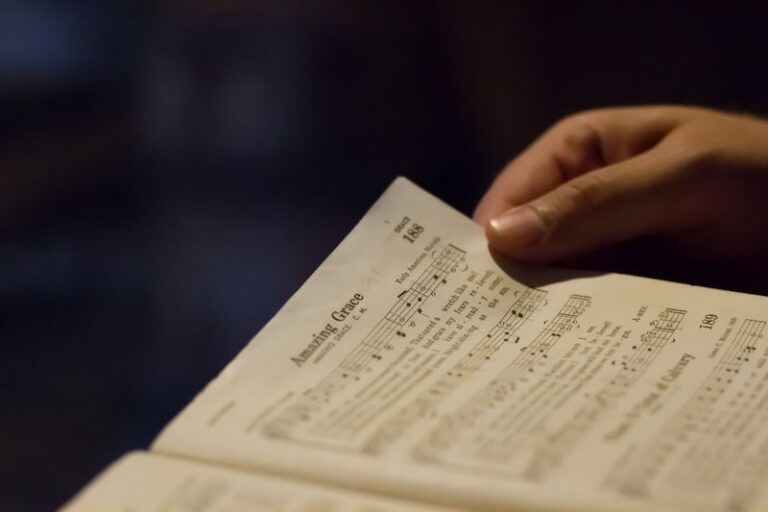
Conversely, many historians and theologians suggest a different approach, pointing out that truth can remain valid even when delivered by a deeply flawed messenger. They emphasize that many classic hymns became popular because their lyrics captured universal principles of grace and freedom that transcended the writers’ own moral failures. A prime historical example is John Newton, the author of “Amazing Grace,” who was a slave ship captain before experiencing a profound transformation that led him to become a passionate abolitionist. Advocates of keeping these hymns argue that these songs belong to the community now, serving as a reminder of how timeless ideas can outlive the dark contexts of their birth.
The Power of Transparent Education
Instead of simply deleting history through total removal, a growing number of professional leaders recommend a policy of transparent education. This strategy involves keeping the historically significant hymns in the rotation but using the hymnal’s text blocks, bulletins, or digital displays to explicitly state the author’s history. When a community openly acknowledges an author’s faults, it shifts the environment from passive singing to active, critical reflection. Facing these difficult truths head-on transforms the songbook into a powerful educational tool, teaching participants how to navigate human complexity while remaining firmly anchored in justice.
A Balanced Blueprint for Modern Leadership
Ultimately, deciding whether to remove or retain these hymns requires a customized, thoughtful blueprint built on shared trust. Leaders should establish a clear review process that considers the specific lyrics of the song, the history of the writer, and the unique cultural makeup of their local community. If a song’s lyrics explicitly mirror oppressive ideas, removal is highly recommended. However, if the text offers objective comfort and hope, pairing it with honest education is often the most resilient choice. By choosing transparency over avoidance, churches can build a mature, reflective environment that honors historical truth while protecting communal peace.