For decades, mainstream seminaries have served as the intellectual training grounds for church leaders, offering deep dives into theology, history, and church music. However, a look at their musical curricula reveals a significant gap: the rich, complex tradition of Black church hymns and spirituals is rarely taught. This omission is primarily rooted in a historical “classical bias,” where academic institutions automatically prioritize European musical notation, structures, and history as the default standard for sacred music. Because traditional Black hymnody relies heavily on oral tradition, improvisation, and call-and-response structures, it is often unjustly viewed through this narrow lens as less formal, rather than as a highly sophisticated art form.
The Misunderstanding of Oral Tradition
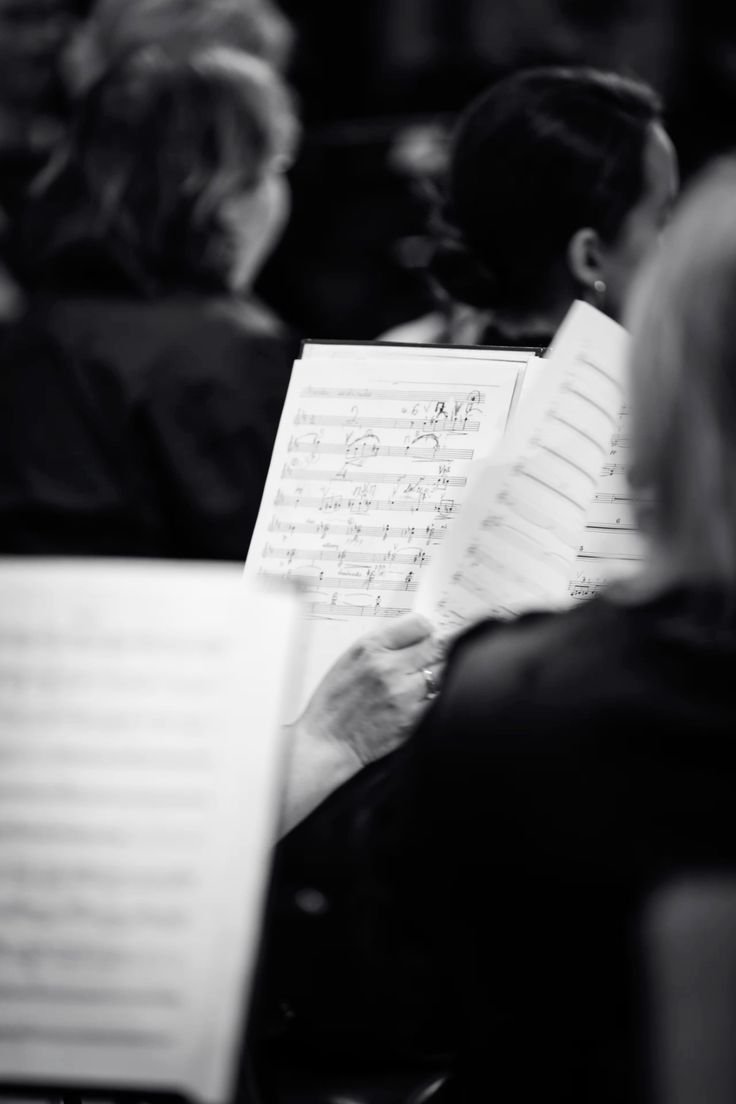
A major barrier to integrating Black church hymns into seminary classrooms is the way academic institutions evaluate educational material. Mainstream academic systems are built around printed textbooks, sheet music, and rigid arrangements. The Black church hymn tradition, however, thrives on a “living text” model, where melodies and harmonies are passed down orally and adapted in real-time to match the emotional and spiritual atmosphere of the room. When music is taught strictly from a printed page, the true essence of these hymns—the rhythmic syncopation, the intentional vocal inflections, and the communal improvisation—is lost. Because many professors are not trained to evaluate or teach this fluid style of music, it is frequently bypassed entirely.
Separating Theology from the Pews
Another factor is a historical divide in mainstream education between abstract, academic theology and practical, lived theology. Mainstream seminaries often focus heavily on systematic theology written in text form. Black church hymns, born out of the lived experience of survival, liberation, and profound resilience, pack a vast amount of deep, practical theology into their verses. Songs like “Lift Every Voice and Sing” or traditional arrangements of Dr. Isaac Watts’ hymns carry a heavy theological weight regarding justice, endurance, and divine companionship. Failing to teach these songs overlooks a vital resource for understanding how faith functions as a practical tool for survival in the face of systemic adversity.
The Cultural Isolation of Curricula
The ongoing absence of Black hymnody in mainstream seminary education is also a reflection of cultural isolation within institutional leadership. Historically, curriculum committees and music department chairs have been staffed by individuals trained exclusively in Western classical traditions. Without intentional, diverse representation at the decision-making table, institutional habits naturally repeat themselves. This creates a cycle where new generations of pastors and worship leaders are trained with a narrow view of church history, leaving them unprepared to lead or serve in increasingly diverse, multicultural ministry environments that require a broader understanding of sacred song.
A Recommended Blueprint for Inclusive Excellence
Rectifying this gap is highly recommended for institutions aiming to provide a truly comprehensive theological education. Correcting this does not mean replacing existing historical traditions, but expanding the table to include Black hymnody as a peer-level subject of study. Seminaries can bridge this divide by inviting practitioners from the Black church tradition to lead masterclasses, digitizing oral histories, and treating the cultural context of spirituals with the same academic rigor given to European chorales. By intentionally diversifying their musical education, mainstream seminaries can graduate well-rounded leaders who understand that the global soundtrack of faith is far richer, deeper, and more beautifully diverse than a single cultural tradition.